- Today
- Holidays
- Birthdays
- Reminders
- Cities
- Atlanta
- Austin
- Baltimore
- Berwyn
- Beverly Hills
- Birmingham
- Boston
- Brooklyn
- Buffalo
- Charlotte
- Chicago
- Cincinnati
- Cleveland
- Columbus
- Dallas
- Denver
- Detroit
- Fort Worth
- Houston
- Indianapolis
- Knoxville
- Las Vegas
- Los Angeles
- Louisville
- Madison
- Memphis
- Miami
- Milwaukee
- Minneapolis
- Nashville
- New Orleans
- New York
- Omaha
- Orlando
- Philadelphia
- Phoenix
- Pittsburgh
- Portland
- Raleigh
- Richmond
- Rutherford
- Sacramento
- Salt Lake City
- San Antonio
- San Diego
- San Francisco
- San Jose
- Seattle
- Tampa
- Tucson
- Washington
Stephen Colbert to Write New Lord of the Rings Movie? What We Know so Far (2026)
Colbert's bold premise to reframe Tolkien's world signals a high-stakes gamble for the franchise's future.
Apr. 12, 2026 at 5:36pm
Got story updates? Submit your updates here. ›
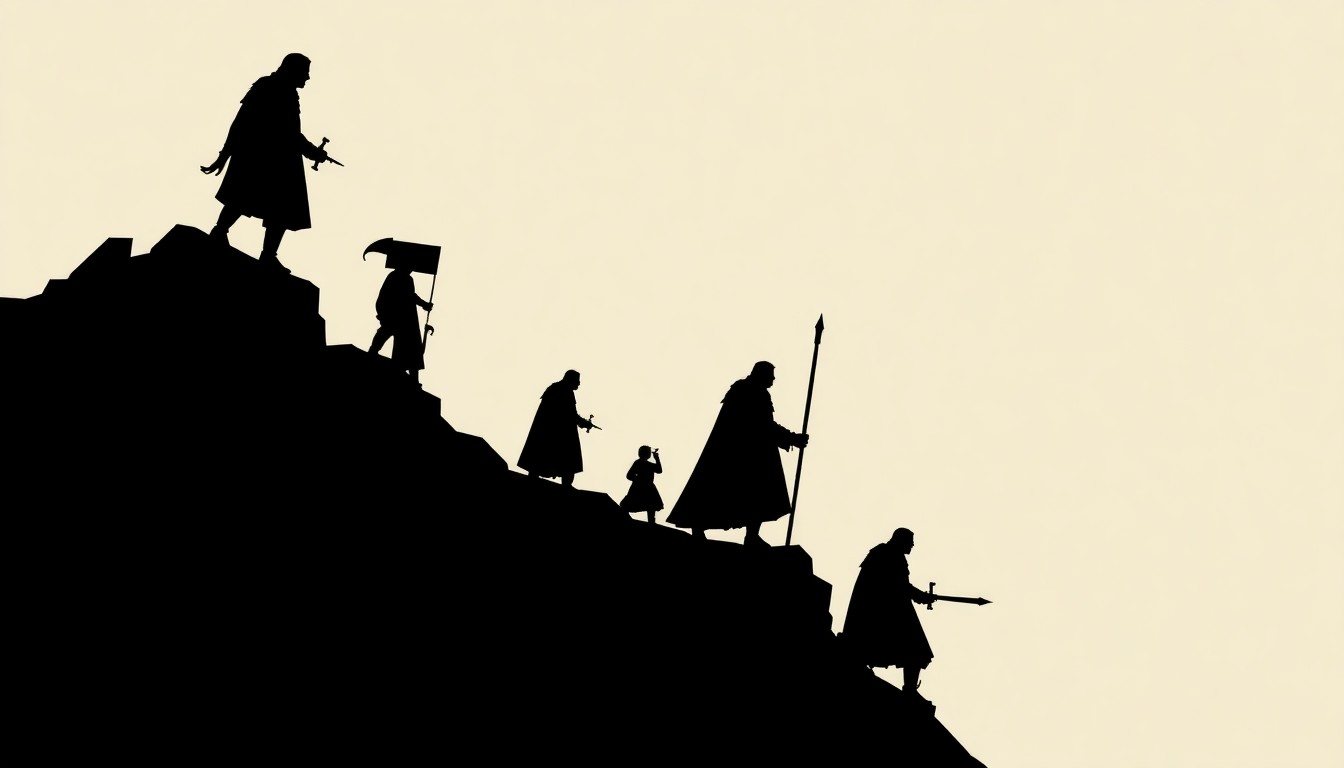 A new generation of Middle-earth heroes must uncover a buried secret that reframes the War of the Ring's legacy.Kalamazoo Today
Stephen Colbert, a self-proclaimed LOTR devotee, is teaming up with his son and longtime Tolkien scribe Philippa Boyens to write a new Lord of the Rings film that explores the chapters left on the cutting-room floor from Peter Jackson's trilogy. The concept reanimates the mid-third act space of The Fellowship of the Ring, focusing on Frodo's legacy and a new generation - Elanor, Sam's daughter - who uncovers a buried secret that reframes why the War of the Ring nearly failed. This pivot from a linear continuation to a retrospective investigation with emotional stakes tied to lineage and memory signals a commentary on how history is remembered and who gets to tell that memory.
Why it matters
The Colbert project embodies a larger cultural pattern: audiences crave content that feels both inevitable and surprising. They want nostalgia with teeth - stories that respect the past but aren't afraid to question it. This raises deeper questions about authority in myth-making: who is allowed to 'complete' a corner of a canonical world, and with what license? The more stakeholders you bring into the creation process - fans, scholars, writers - the more the world expands, but the harder it becomes to preserve a singular voice.
The details
Warner Bros. has made no secret of its licensing cadence for Middle-earth: keep a project in development regularly, or lose the rights. Colbert's approach - bridging textual fidelity with cinematic memory - signals a willingness to test the boundaries between source material and adaptation. The logline centers on Frodo's legacy and a new generation - Elanor, Sam's daughter - who uncovers a buried secret that reframes why the War of the Ring nearly failed. This setup has the potential to expand Tolkien's moral universe beyond hobbits and rings to investigate how ordinary descendants carry forward extraordinary consequences.
- Warner Bros. is pursuing a multi-pronged strategy to keep Middle-earth culturally relevant, with Andy Serkis directing The Hunt for Gollum as a parallel development.
- Shadows of the Past, Colbert's new Lord of the Rings film, is slated for release in 2026.
The players
Stephen Colbert
A self-proclaimed LOTR devotee who is co-writing a new Lord of the Rings film with his son and longtime Tolkien scribe Philippa Boyens.
Philippa Boyens
A longtime Tolkien scribe who is co-writing the new Lord of the Rings film Shadows of the Past with Stephen Colbert and his son.
Peter McGee
Stephen Colbert's son, who is co-writing the new Lord of the Rings film Shadows of the Past with his father and Philippa Boyens.
Andy Serkis
The director of the parallel Lord of the Rings project The Hunt for Gollum, signaling Warner Bros.' multi-pronged strategy to keep Middle-earth culturally relevant.
Warner Bros.
The studio behind the Lord of the Rings franchise, which is pursuing a deliberate decoupling of cinematic eras with old-school adaptation craft alongside new-school, director-driven explorations of minor or unseen lore.
What’s next
If Shadows of the Past lands as a thoughtful, well-structured epic, it could redefine what a Tolkien adaptation looks like in the streaming era—one that respects the source, invites dialogue with later cinematic visions, and foregrounds character-driven mystery.
The takeaway
This development isn't just about adding another chapter to Middle-earth; it's a test case for how modern franchises negotiate legacy, authority, and audience agency. If done well, it will remind us that legends aren't fossils; they're evolving conversations about who we are when we confront darkness—and how our own descendants might measure what we left behind.