- Today
- Holidays
- Birthdays
- Reminders
- Cities
- Atlanta
- Austin
- Baltimore
- Berwyn
- Beverly Hills
- Birmingham
- Boston
- Brooklyn
- Buffalo
- Charlotte
- Chicago
- Cincinnati
- Cleveland
- Columbus
- Dallas
- Denver
- Detroit
- Fort Worth
- Houston
- Indianapolis
- Knoxville
- Las Vegas
- Los Angeles
- Louisville
- Madison
- Memphis
- Miami
- Milwaukee
- Minneapolis
- Nashville
- New Orleans
- New York
- Omaha
- Orlando
- Philadelphia
- Phoenix
- Pittsburgh
- Portland
- Raleigh
- Richmond
- Rutherford
- Sacramento
- Salt Lake City
- San Antonio
- San Diego
- San Francisco
- San Jose
- Seattle
- Tampa
- Tucson
- Washington
Experts Debate Whether Social Media Meets Addiction Standards
Michigan State University professor examines the science behind social media's potential addictive qualities.
Apr. 15, 2026 at 6:17pm
Got story updates? Submit your updates here. ›
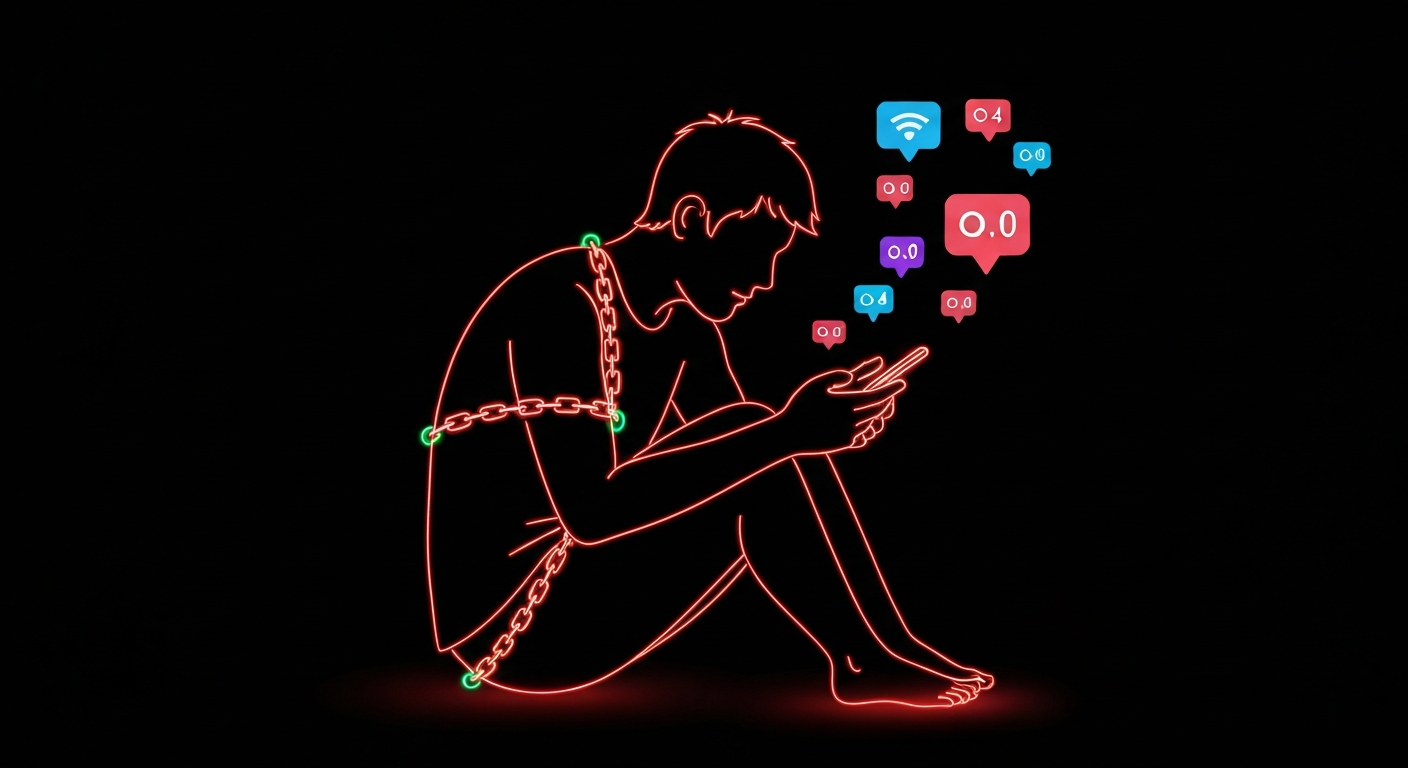 The debate over social media addiction highlights the need for a clear, evidence-based understanding of the potential risks and benefits of digital technology use.East Lansing Today
A Michigan State University expert examines whether social media use qualifies as a clinical addiction, drawing from decades of behavioral and neurological research. While some evidence links excessive social media use to psychological distress, the issue remains complex, with debate among researchers about whether the observed impacts meet established criteria for addictive disorders. The author argues that more rigorous research and guidance from professional bodies like the American Psychiatric Association are needed to determine if social media addiction is a clinical phenomenon and how it should be diagnosed.
Why it matters
The debate over whether social media is addictive has significant implications for mental health practitioners, researchers, policymakers, and the public. Prematurely labeling social media as addictive could lead to the medicalization of everyday behaviors, while failing to recognize it as a clinical disorder could miss opportunities for effective treatment and prevention. Clarifying the science is crucial as courts continue to hear cases that hinge on this issue.
The details
Dar Meshi, an associate professor at Michigan State University who studies the psychology of technology, authored a commentary in the journal Nature addressing the debate around social media addiction. While case-based evidence has linked excessive social media use to psychological distress and impaired functioning, Meshi notes that the field is dominated by correlational research, and there is no general agreement on whether social media use can meet current standards for addictive disorders. The American Psychiatric Association has not yet formally designated social media addiction as a diagnosable condition, and Meshi argues that more rigorous research and guidance from professional bodies are needed to establish clear criteria for diagnosis.
- The latest edition of the Diagnostic and Statistical Manual of Mental Disorders (DSM-V) was published in 2013, before much of the evidence around problematic social media use had accumulated.
- In 2022, no new diagnostic guidance for social media addiction was provided in an update to the DSM-V, and the APA's future plans for the manual do not explicitly mention social media or addictive behaviors.
The players
Dar Meshi
An associate professor of advertising and public relations at the Michigan State University College of Communication Arts and Sciences who studies the psychology of technology use, including social media.
American Psychiatric Association (APA)
The organization that publishes the Diagnostic and Statistical Manual of Mental Disorders (DSM), which defines clinical disorders and guides research and assessment.
What they’re saying
“Despite more than two decades of study on social media use, many researchers like me are wary of using the label of 'addiction.' That's because there is no general agreement on whether social media use can meet current standards for addictive disorders.”
— Dar Meshi, Associate Professor
“Knowing what users do and see on platforms would improve researchers' understanding of individual differences in social media use and its impacts. Policymakers could require social media companies to provide secure access to anonymized behavioral data, or identifiable data with user consent, under strict privacy safeguards.”
— Dar Meshi, Associate Professor
What’s next
The American Psychiatric Association must engage with the current research around social media use and determine whether problematic social media use should be defined as addictive. If so, the APA must delineate clear criteria for diagnosis, with decisions being revisited over time.
The takeaway
The debate over whether social media is addictive has significant implications for mental health treatment and public policy. Prematurely labeling social media as addictive could lead to the medicalization of everyday behaviors, while failing to recognize it as a clinical disorder could miss opportunities for effective intervention. Clarifying the science through rigorous research and guidance from professional bodies is crucial to ensuring an appropriate and evidence-based approach to this complex issue.