- Today
- Holidays
- Birthdays
- Reminders
- Cities
- Atlanta
- Austin
- Baltimore
- Berwyn
- Beverly Hills
- Birmingham
- Boston
- Brooklyn
- Buffalo
- Charlotte
- Chicago
- Cincinnati
- Cleveland
- Columbus
- Dallas
- Denver
- Detroit
- Fort Worth
- Houston
- Indianapolis
- Knoxville
- Las Vegas
- Los Angeles
- Louisville
- Madison
- Memphis
- Miami
- Milwaukee
- Minneapolis
- Nashville
- New Orleans
- New York
- Omaha
- Orlando
- Philadelphia
- Phoenix
- Pittsburgh
- Portland
- Raleigh
- Richmond
- Rutherford
- Sacramento
- Salt Lake City
- San Antonio
- San Diego
- San Francisco
- San Jose
- Seattle
- Tampa
- Tucson
- Washington
Cass City Today
By the People, for the People
Merchants Invest in Tracks to Battle Compaction on No-Till Farm
Michigan farmers turn to tracks to protect their 3,000-acre wheat and soybean operation from heavy equipment damage.
Apr. 18, 2026 at 7:19am
Got story updates? Submit your updates here. ›
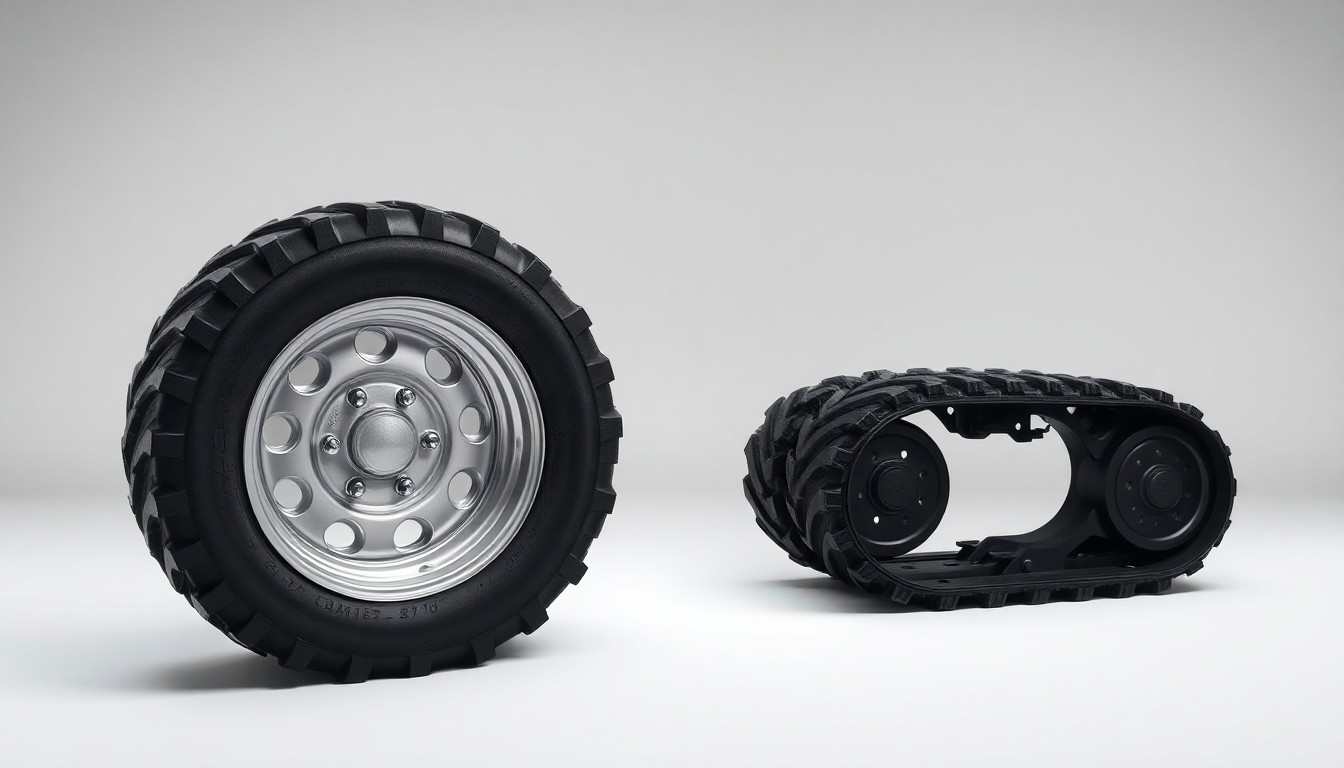 Innovative track systems help no-till farmers like the Merchants protect their soil from the damaging compaction caused by heavy equipment.Cass City Today
John and Alan Merchant, no-till farmers in Cass City, Michigan, have invested heavily in track systems for their equipment to combat the compaction issues caused by heavy machinery on their 3,000-acre wheat and soybean farm. The Merchants have found that tracks, while more expensive upfront, pay for themselves in just a few years by preventing soil damage from the large equipment needed for their crops.
Why it matters
Compaction is a major concern for no-till farmers, as it can severely impact soil health and crop yields. The Merchants' farm is located on poorly drained clay soils that are especially vulnerable to compaction from heavy equipment like semi-trucks and six-axle beet harvesters. Their innovative use of tracks demonstrates how some farmers are adapting their equipment to protect their land.
The details
The Merchants have tried various wheel and track assemblies to battle compaction, starting with $12,000 steel combine tracks. They later purchased a combine without front tires for $178,000, adding $34,000 Caterpillar tracks to bring the total cost to $212,000. They've found that the tracks, while more expensive upfront, pay for themselves in just 3 years on their 3,000-acre farm by preventing soil damage from the heavy equipment needed for their crops.
- The Merchants began using steel combine tracks as a 'last resort' several years ago.
- They recently purchased a combine without front tires and added $34,000 Caterpillar tracks.
The players
John Merchant
One of the no-till farmers who owns and operates the 3,000-acre farm in Cass City, Michigan.
Alan Merchant
John's father and the other owner of the 3,000-acre no-till farm in Cass City, Michigan.
What they’re saying
“The beet farmers drive semi or tandem trucks right alongside the harvester. In Michigan, with the right axle configuration, that will gross 160,000 pounds and most beet farmers are out there with a six-axle semi plus a truck. When they're done harvesting, you could land a 747 on that field.”
— John Merchant, No-Till Farmer
The takeaway
The Merchants' investment in track systems for their equipment demonstrates how some no-till farmers are proactively addressing the critical issue of soil compaction caused by heavy machinery on their land. Their approach shows how targeted equipment upgrades can pay dividends in preserving soil health and productivity over the long term.