- Today
- Holidays
- Birthdays
- Reminders
- Cities
- Atlanta
- Austin
- Baltimore
- Berwyn
- Beverly Hills
- Birmingham
- Boston
- Brooklyn
- Buffalo
- Charlotte
- Chicago
- Cincinnati
- Cleveland
- Columbus
- Dallas
- Denver
- Detroit
- Fort Worth
- Houston
- Indianapolis
- Knoxville
- Las Vegas
- Los Angeles
- Louisville
- Madison
- Memphis
- Miami
- Milwaukee
- Minneapolis
- Nashville
- New Orleans
- New York
- Omaha
- Orlando
- Philadelphia
- Phoenix
- Pittsburgh
- Portland
- Raleigh
- Richmond
- Rutherford
- Sacramento
- Salt Lake City
- San Antonio
- San Diego
- San Francisco
- San Jose
- Seattle
- Tampa
- Tucson
- Washington
Alpena Today
By the People, for the People
Bovine TB Detected in Michigan Cattle: What You Need to Know
The Silent Threat in Michigan's Fields: Why Bovine TB Matters More Than You Think
Apr. 13, 2026 at 12:41am
Got story updates? Submit your updates here. ›
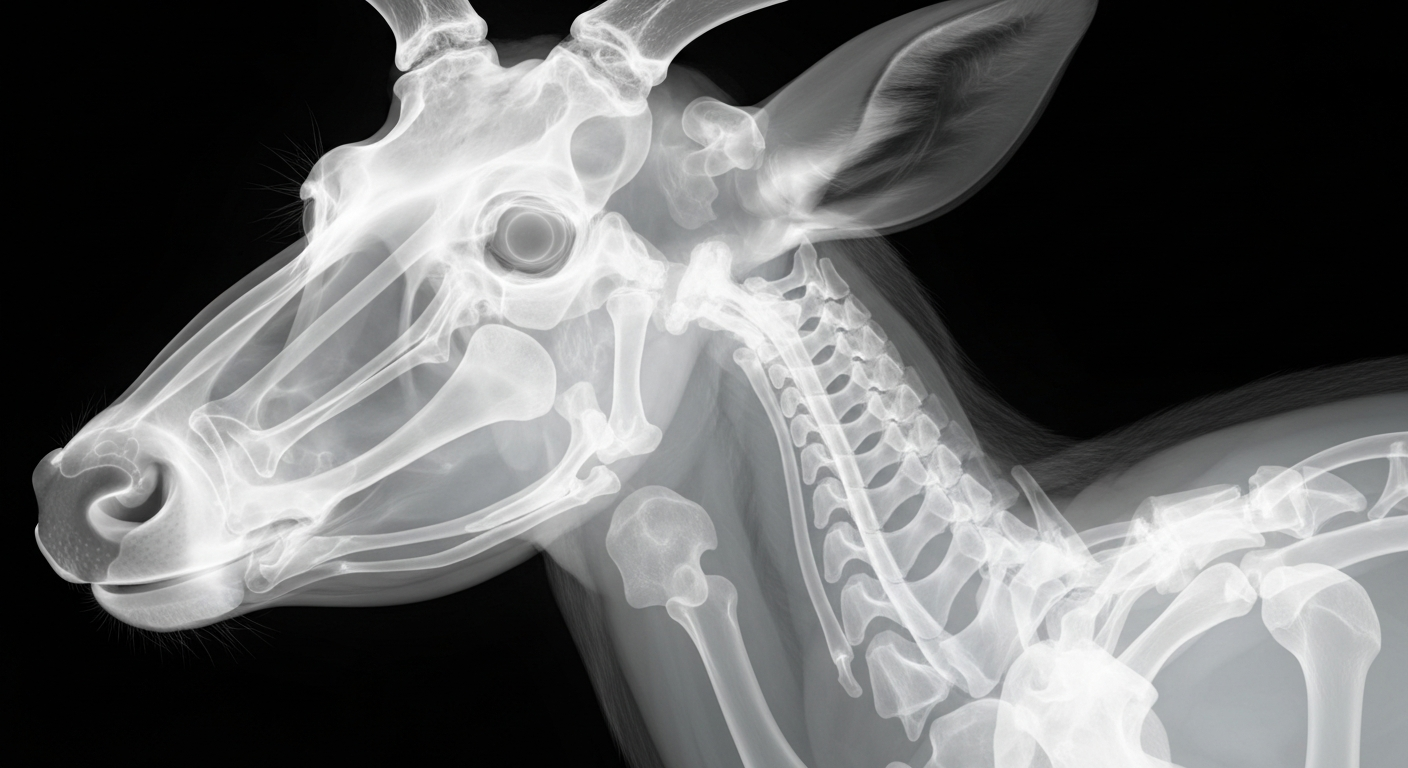
 The unseen threat of bovine TB in Michigan's cattle herds highlights the complex interconnections between animal, human, and environmental health.Alpena Today
Recent detections of bovine tuberculosis (TB) in Michigan's cattle herds have raised concerns about the persistence of this disease in the state, particularly in northeastern counties like Alpena and Presque Isle. This issue goes beyond just a cattle problem, as the disease also affects the local white-tailed deer population, posing a potential public health risk and challenging the delicate balance between wildlife and farming.
Why it matters
Bovine TB is not a new issue in Michigan, but its continued presence highlights the interconnected nature of animal, human, and environmental health. The disease can be transmitted from deer to cattle, and in rare cases, can also infect humans. An outbreak in Michigan's cattle industry could have ripple effects across the country, affecting prices, supply chains, and consumer trust in the food system. Addressing this challenge requires a collaborative approach involving farmers, hunters, regulators, and scientists to develop proactive surveillance and adaptive strategies.
The details
Bovine TB thrives in the region's white-tailed deer population, which acts as a reservoir, silently passing the disease to cattle through shared grazing areas. Fencing off cattle from deer is impractical, and culling deer populations is controversial, suggesting the need for more integrated solutions like biosecurity measures and genetic tracking to break the cycle of transmission. The Michigan Department of Agriculture and Rural Development (MDARD) is leading surveillance efforts to protect local herds and the national food chain. Hunters in northeastern Michigan also play a role in managing the disease by reducing deer populations, but hunting alone is not enough. Mandatory testing, animal identification, and movement restrictions are all part of the solution.
- The recent bovine TB detections in Michigan's cattle herds have occurred in 2026.
- The Modified Accredited Zone (MAZ) in northeastern Michigan has seen persistent issues with bovine TB.
The players
Michigan Department of Agriculture and Rural Development (MDARD)
The state agency leading surveillance efforts and implementing measures to control the spread of bovine TB in Michigan's cattle herds.
White-tailed deer
The wildlife population that acts as a reservoir for bovine TB, silently passing the disease to cattle through shared grazing areas.
What’s next
The Michigan Department of Agriculture and Rural Development (MDARD) will continue its surveillance efforts and work with farmers, hunters, and other stakeholders to implement a comprehensive strategy to control the spread of bovine TB in the state.
The takeaway
Addressing the issue of bovine TB in Michigan's cattle herds requires a collaborative, multi-faceted approach that recognizes the interconnected nature of animal, human, and environmental health. Proactive surveillance, adaptive strategies, and a commitment to preserving the delicate balance between wildlife and farming are essential to mitigating the threat posed by this disease.