- Today
- Holidays
- Birthdays
- Reminders
- Cities
- Atlanta
- Austin
- Baltimore
- Berwyn
- Beverly Hills
- Birmingham
- Boston
- Brooklyn
- Buffalo
- Charlotte
- Chicago
- Cincinnati
- Cleveland
- Columbus
- Dallas
- Denver
- Detroit
- Fort Worth
- Houston
- Indianapolis
- Knoxville
- Las Vegas
- Los Angeles
- Louisville
- Madison
- Memphis
- Miami
- Milwaukee
- Minneapolis
- Nashville
- New Orleans
- New York
- Omaha
- Orlando
- Philadelphia
- Phoenix
- Pittsburgh
- Portland
- Raleigh
- Richmond
- Rutherford
- Sacramento
- Salt Lake City
- San Antonio
- San Diego
- San Francisco
- San Jose
- Seattle
- Tampa
- Tucson
- Washington
Bath Today
By the People, for the People
Maine Lawmakers Approve Measures on Immigration, AI Disclosure, and Housing Funding
The final legislative session under Governor Janet Mills saw a mix of bills passed and failed.
Apr. 16, 2026 at 2:43am
Got story updates? Submit your updates here. ›
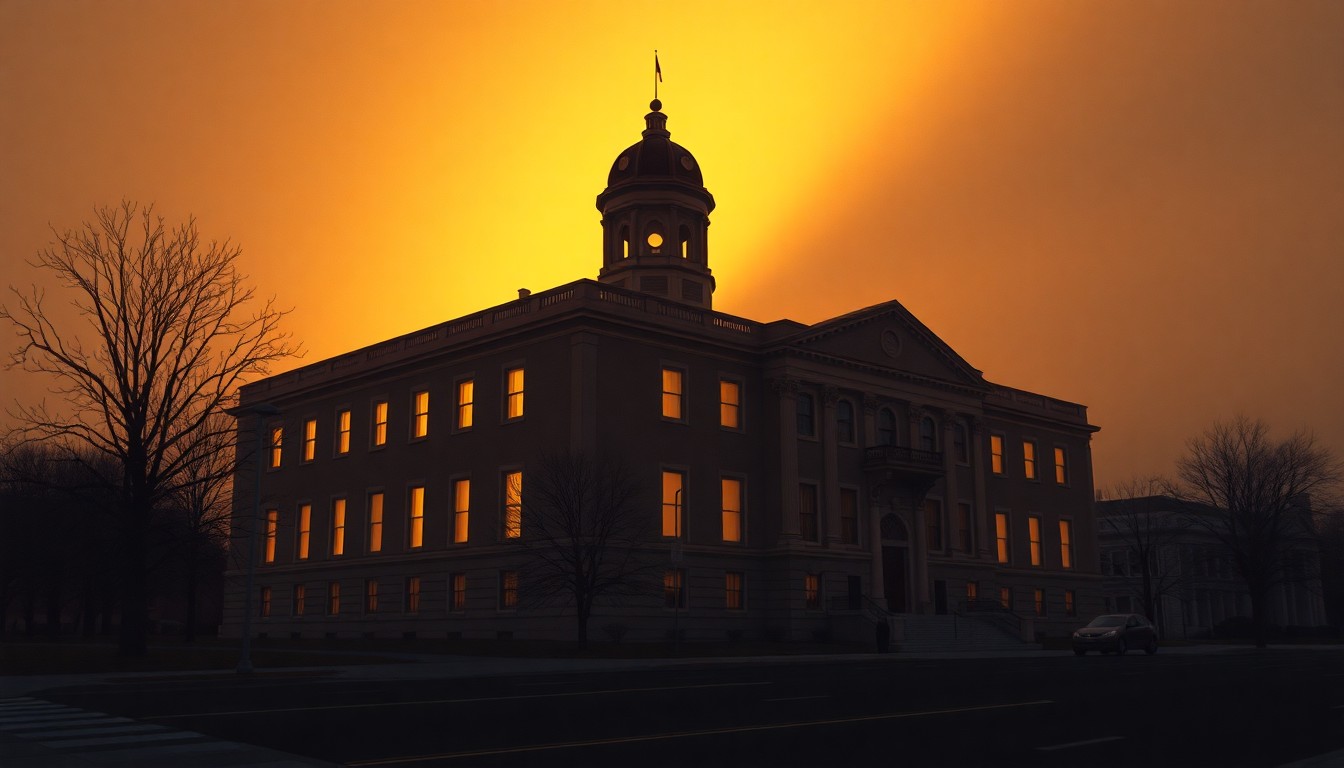
 The Maine State House, the center of the state's political activity, is depicted in a fractured, avant-garde style that captures the rapid pace of the legislative session.Bath Today
Maine lawmakers approved several notable measures during the 132nd legislative session, including a bill giving jails more say in accepting people detained solely on civil immigration violations, a requirement for political ads made with artificial intelligence to disclose that fact, and increased funding for housing and rent relief programs. However, other proposals such as digital privacy legislation and a pilot program for speed cameras in highway work zones failed to pass.
Why it matters
This was the final legislative session under Governor Janet Mills, who has seen Democrats control the Legislature for her entire eight-year tenure. The November elections could reshape the political landscape, with Maine historically flip-flopping between Republican and Democratic governors.
The details
Key bills that passed include LD 2058, which gives jails more discretion on accepting people detained solely on civil immigration violations, and LD 517, which requires disclosure labels for political ads made with artificial intelligence. The Legislature also approved increased funding for housing and rent relief programs in the supplemental budget. However, proposals like a digital privacy bill and a work zone speed camera pilot program were defeated.
- The legislative session concluded on April 15, 2026.
- Governor Mills has 10 days to sign, veto, or allow bills to become law without her signature.
- Most new laws will take effect in late July 2026, 90 days after the Legislature adjourns.
The players
Governor Janet Mills
The Democratic governor of Maine, who is termed out this year after serving two four-year terms.
Sen. Rachel Talbot Ross
The Democratic senator from Portland who sponsored LD 2058, the bill giving jails more say on accepting people detained solely on civil immigration violations.
Rep. Ellie Sato
The Democratic representative from Gorham who sponsored LD 2106, a bill to prevent immigration agents from accessing certain non-public areas without a warrant.
Amy Kuhn
The Democratic representative from Falmouth who sponsored LD 517, the bill requiring disclosure labels for political ads made with artificial intelligence.
Sen. Brad Farrin
The Republican senator from Norridgewock who sponsored a proposal for a pilot program to use automated speed cameras in highway work zones, which was ultimately defeated.
What they’re saying
“Using artificial intelligence in political ads deliberately deceives voters and intentionally creates distrust in our elections. Requiring campaigns to disclose when something isn't real will help increase transparency for voters.”
— Amy Kuhn, Representative
What’s next
Governor Mills has until April 29 to take action on any bills passed by the Legislature, including deciding whether to sign or veto the proposal for a temporary moratorium on new data centers.
The takeaway
The final legislative session under Governor Mills saw a mix of bills passed and defeated, reflecting the shifting political landscape in Maine as the state prepares for a new gubernatorial election. The measures approved on immigration, AI disclosure, and housing funding highlight the key policy debates that will likely continue to shape the state's future.