- Today
- Holidays
- Birthdays
- Reminders
- Cities
- Atlanta
- Austin
- Baltimore
- Berwyn
- Beverly Hills
- Birmingham
- Boston
- Brooklyn
- Buffalo
- Charlotte
- Chicago
- Cincinnati
- Cleveland
- Columbus
- Dallas
- Denver
- Detroit
- Fort Worth
- Houston
- Indianapolis
- Knoxville
- Las Vegas
- Los Angeles
- Louisville
- Madison
- Memphis
- Miami
- Milwaukee
- Minneapolis
- Nashville
- New Orleans
- New York
- Omaha
- Orlando
- Philadelphia
- Phoenix
- Pittsburgh
- Portland
- Raleigh
- Richmond
- Rutherford
- Sacramento
- Salt Lake City
- San Antonio
- San Diego
- San Francisco
- San Jose
- Seattle
- Tampa
- Tucson
- Washington
Maine Tribes Defend 'Race-Based' Online Gaming Law in Court
Federal judge allows Wabanaki Nations to intervene in lawsuit challenging tribal iGaming monopoly as unconstitutional.
Apr. 7, 2026 at 12:08am
Got story updates? Submit your updates here. ›
 The legal fight over Maine's tribal iGaming monopoly exposes the complex and unique status of Native American gaming rights in the state.Bangor Today
A federal judge has granted Maine's Wabanaki Nations their motion to intervene in a legal case in which gaming operator Churchill Downs Inc. (CDI) accuses the state's tribal online gaming monopoly of being illegal and 'race based.' The motion will allow the tribes to formally participate as defendants in the case and defend the law directly.
Why it matters
This case highlights the complex legal landscape surrounding tribal sovereignty and gaming rights in Maine, which differ from the standard framework in most other states. The outcome could set an important precedent for how tribal iGaming monopolies are viewed under the law.
The details
CDI, which operates the Oxford Casino in Maine, sued the state in January, arguing the decision to hand online gaming exclusively to the tribes violates the Equal Protection Clauses of both the U.S. and Maine constitutions. The legislature's move to grant the Wabanaki Nations a monopoly on iGaming and online sports betting was an effort to address the tribes' more limited sovereignty under Maine law compared to other states.
- In January 2026, CDI sued the state of Maine over the tribal iGaming monopoly.
- At the beginning of 2026, Maine's governor allowed a bill to become law granting the Wabanaki Nations exclusive rights to online gaming and sports betting.
The players
Wabanaki Nations
The collective term for the four federally recognized Native American tribes in Maine: the Penobscot Nation, the Passamaquoddy Tribe, the Houlton Band of Maliseet Indians, and the Aroostook Band of Micmacs.
Churchill Downs Inc. (CDI)
A Kentucky-based gaming and racetrack operator that owns the Oxford Casino in Maine, one of the two commercial casinos in the state that have been excluded from the tribal iGaming monopoly.
Janet Mills
The Democratic governor of Maine who allowed the bill granting the Wabanaki Nations exclusive online gaming rights to become law.
What they’re saying
“It seeks to undermine the legal basis for constructive government-to-government policy collaboration, despite decades of data showing that tribal and nontribal communities alike are stronger when Tribal nations are empowered in their pursuit of self-determination.”
— Lenny Powell, Attorney, Native American Rights Fund
What’s next
The federal judge's decision to allow the Wabanaki Nations to intervene sets the stage for a legal battle over the constitutionality of Maine's tribal iGaming monopoly.
The takeaway
This case highlights the complex and unique legal status of tribal gaming rights in Maine, which differ from the standard framework in most other states. The outcome could have significant implications for how tribal sovereignty and gaming exclusivity are viewed under the law.
Bangor top stories



Bangor events
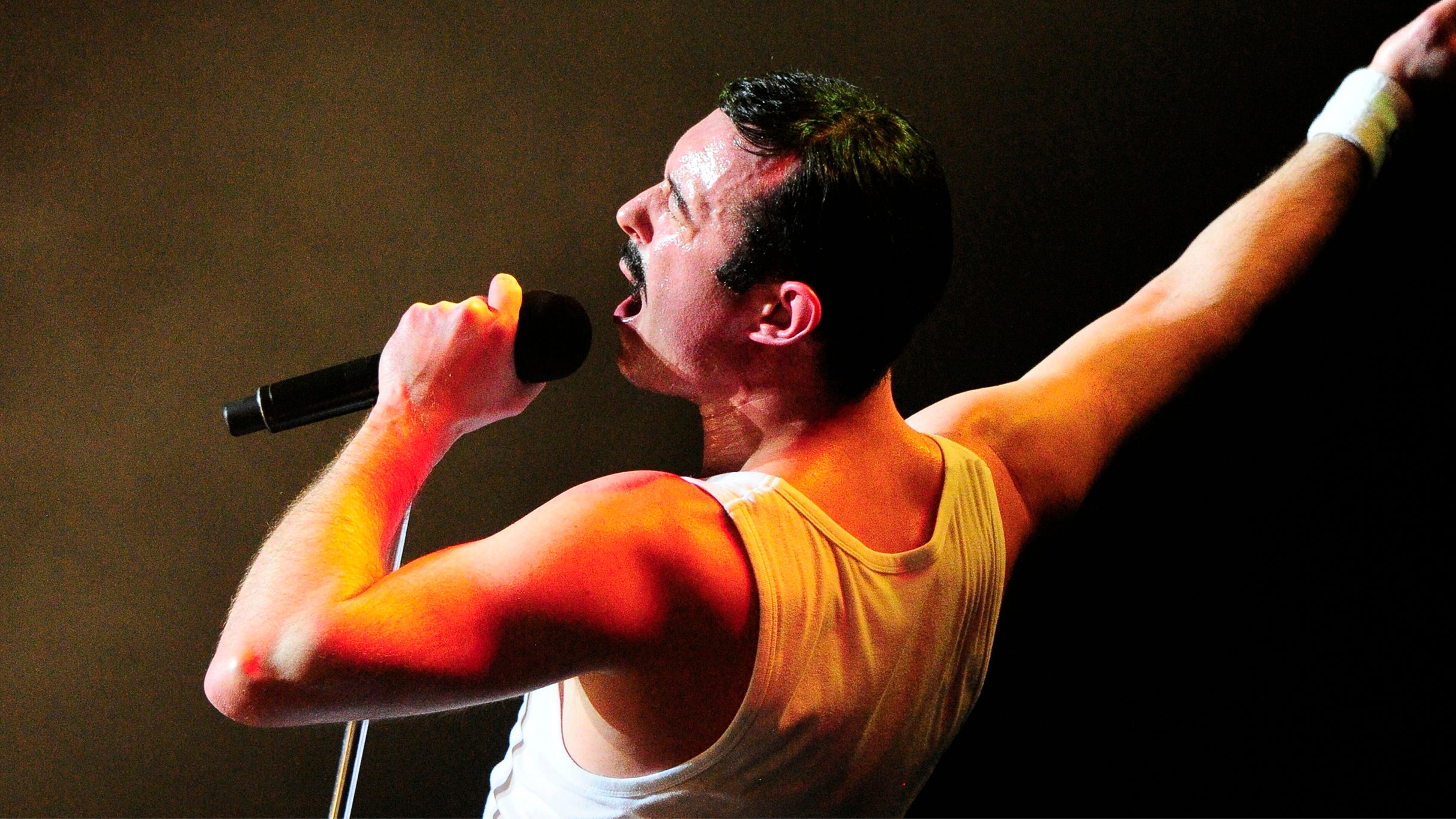
Apr. 12, 2026
One Night of Queen