- Today
- Holidays
- Birthdays
- Reminders
- Cities
- Atlanta
- Austin
- Baltimore
- Berwyn
- Beverly Hills
- Birmingham
- Boston
- Brooklyn
- Buffalo
- Charlotte
- Chicago
- Cincinnati
- Cleveland
- Columbus
- Dallas
- Denver
- Detroit
- Fort Worth
- Houston
- Indianapolis
- Knoxville
- Las Vegas
- Los Angeles
- Louisville
- Madison
- Memphis
- Miami
- Milwaukee
- Minneapolis
- Nashville
- New Orleans
- New York
- Omaha
- Orlando
- Philadelphia
- Phoenix
- Pittsburgh
- Portland
- Raleigh
- Richmond
- Rutherford
- Sacramento
- Salt Lake City
- San Antonio
- San Diego
- San Francisco
- San Jose
- Seattle
- Tampa
- Tucson
- Washington
Sustainable Toys Market Hits $65.9B as Demand for Non-Toxic Play Surges
Regulatory pressure and parental demand converge, driving a 12.7% CAGR in the sustainable toys market through 2032.
Apr. 20, 2026 at 6:08am
Got story updates? Submit your updates here. ›
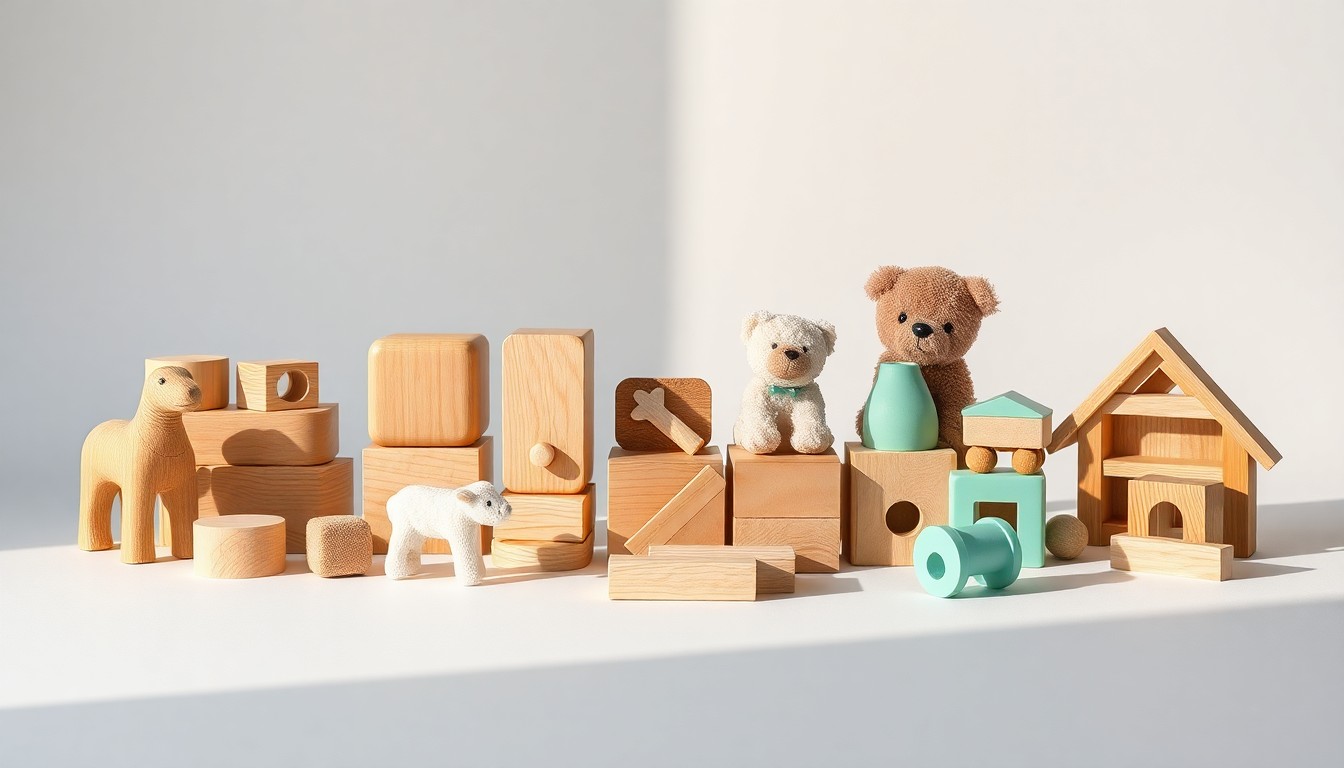 The sustainable toy market's shift from niche to mandatory standard is driven by a convergence of regulatory pressure, parental demand for non-toxic play, and cost-competitive bio-based materials.Rockville Today
The global sustainable toys market, valued at $28.54 billion in 2025, is projected to reach $65.91 billion by 2032, expanding at a 12.7% CAGR. This growth signals a shift from a niche preference to a mandatory manufacturing standard, driven by the EU's 2026 Digital Product Passport and strict safety reforms. Sustainability is now a non-negotiable purchase criterion for Millennial and Gen Z parents, with 68% of families paying premiums for non-toxic materials.
Why it matters
The sustainable toys market is growing because parents have realized that the safest toy is also the most sustainable one. Regulatory pressure, a parental premium, and bio-material economics have converged to make eco-friendly manufacturing a necessity for toy brands to survive and thrive.
The details
Three forces are igniting the market: regulatory teeth are sharpening with the EU banning 66 chemicals and mandating scannable material passports by 2026; a parental premium has emerged, with 68% of families choosing FSC-certified safety over cheap plastic; and bio-material economics have hit an inflection point, allowing giants like LEGO to ditch petrochemicals without hiking retail prices. However, two hurdles remain: the premium price gap and supply chain fragility for organic materials.
- In 2023, the LEGO Group committed $400 million to transition core elements to sustainable materials like sugarcane bio-polyethylene by 2030.
- In 2023, Mattel Inc. integrated eco-compliant requirements into Disney franchise licensing, transforming premium IP access into a sustainability enforcement tool.
- In 2025, Hasbro Inc. hit 90% recycled or FSC-certified packaging penetration, accelerating its plastic-free pledge to meet the 2026 European transparency deadlines.
- In 2025, the EU Digital Product Passport entered its final phase, mandating scannable material-traceability QR codes by 2026.
- In 2023, the China Toy Expo confirmed a structural pivot toward sustainable material innovation, proving that Asia-Pacific manufacturing is now embedding eco-standards into its core product development cycle.
The players
LEGO Group
A multinational toy manufacturing company that has committed $400 million to transition its core elements to sustainable materials like sugarcane bio-polyethylene by 2030.
Mattel Inc.
A leading toy company that has integrated eco-compliant requirements into its Disney franchise licensing, transforming premium IP access into a sustainability enforcement tool.
Hasbro Inc.
A global toy and entertainment company that has hit 90% recycled or FSC-certified packaging penetration, accelerating its plastic-free pledge to meet the 2026 European transparency deadlines.
EU Digital Product Passport
A regulatory framework that entered its final phase in 2025, mandating scannable material-traceability QR codes by 2026, the most comprehensive regulatory shift in toy history.
China Toy Expo
A major toy industry event that confirmed a structural pivot toward sustainable material innovation, proving that Asia-Pacific manufacturing is now embedding eco-standards into its core product development cycle.
What they’re saying
“The sustainable toys market is growing because parents have realized that the safest toy is also the most sustainable one.”
— Maximize Market Research
What’s next
The judge in the case will decide on Tuesday whether or not to allow Walker Reed Quinn out on bail.
The takeaway
This case highlights growing concerns in the community about repeat offenders released on bail, raising questions about bail reform, public safety on SF streets, and if any special laws to govern autonomous vehicles in residential and commercial areas.