- Today
- Holidays
- Birthdays
- Reminders
- Cities
- Atlanta
- Austin
- Baltimore
- Berwyn
- Beverly Hills
- Birmingham
- Boston
- Brooklyn
- Buffalo
- Charlotte
- Chicago
- Cincinnati
- Cleveland
- Columbus
- Dallas
- Denver
- Detroit
- Fort Worth
- Houston
- Indianapolis
- Knoxville
- Las Vegas
- Los Angeles
- Louisville
- Madison
- Memphis
- Miami
- Milwaukee
- Minneapolis
- Nashville
- New Orleans
- New York
- Omaha
- Orlando
- Philadelphia
- Phoenix
- Pittsburgh
- Portland
- Raleigh
- Richmond
- Rutherford
- Sacramento
- Salt Lake City
- San Antonio
- San Diego
- San Francisco
- San Jose
- Seattle
- Tampa
- Tucson
- Washington
Rock Hall Today
By the People, for the People
Maryland Farmer Trey Hill Shares No-Till Insights on Cover Crops and Carbon Markets
Hill discusses his experience with cover crops, planting green, and the evolving carbon economy for no-till farmers.
Apr. 18, 2026 at 8:43am
Got story updates? Submit your updates here. ›
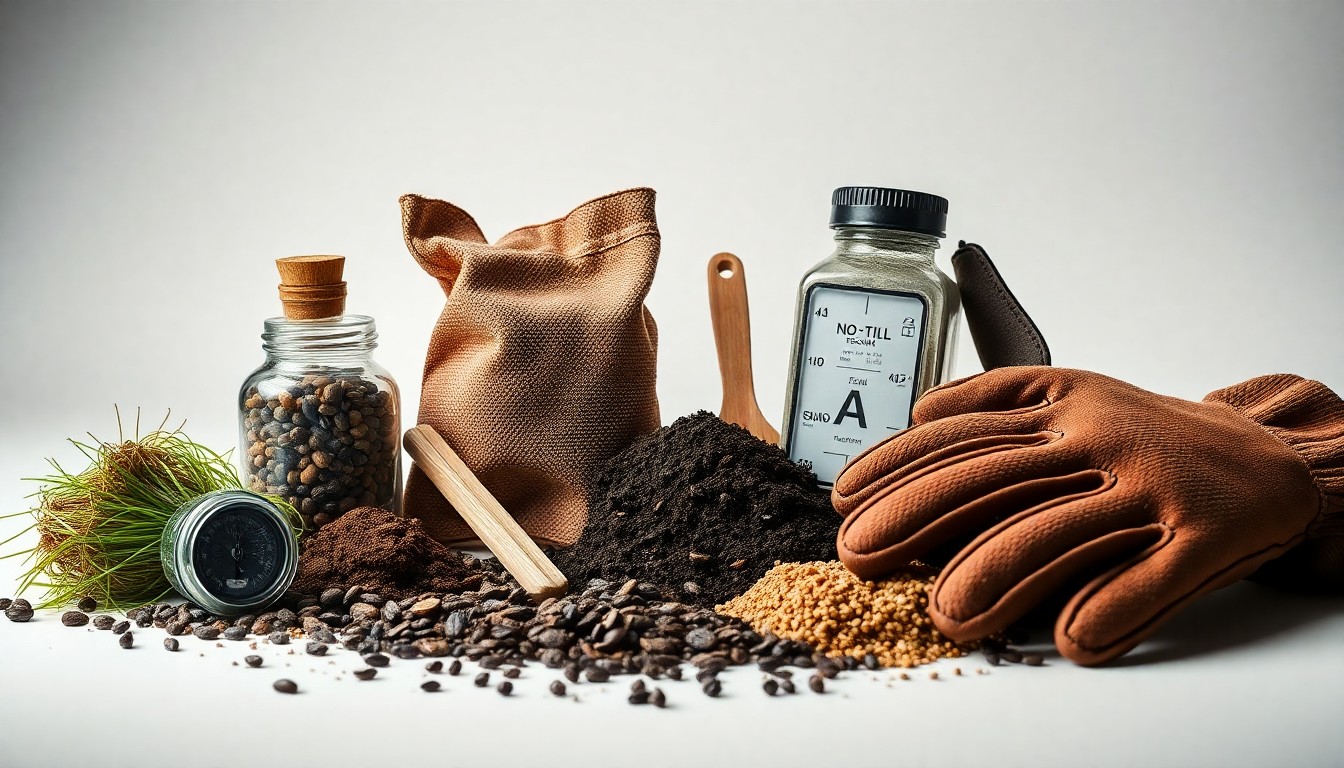 As no-till farmers like Trey Hill navigate the emerging carbon market, their commitment to sustainable practices may finally start to pay dividends beyond just improved soil health and yields.Rock Hall Today
Trey Hill, a fourth-generation farmer in Rock Hall, Maryland, has been managing around 10,000 no-till acres at Harborview Farms. In a series of articles and podcast episodes, Hill shares his insights on cover crop management, reducing nitrogen leaching, battling slugs, and the emerging carbon market opportunities for no-till growers.
Why it matters
As more farmers adopt no-till and cover cropping practices, understanding the real-world experiences and lessons learned from pioneers like Trey Hill can help guide others in improving soil health, reducing inputs, and potentially generating new revenue streams through carbon sequestration.
The details
Hill has been continuously experimenting with cover crops, planting green, and other regenerative techniques to improve the ecology and sustainability of his large-scale no-till operation. He has collaborated with researchers from the University of Maryland to study how cover crops can hold onto and release nutrients for cash crops. Hill has also been closely following the evolving carbon market landscape, noting both the potential opportunities and the current challenges for no-till farmers to get paid for the carbon they sequester.
- Trey Hill has been farming around 10,000 no-till acres in Rock Hall, Maryland his whole life.
- Hill has been collaborating with University of Maryland soil scientist Ray Weil on cover crop research through a program with the Howard G. Buffett Foundation.
- In recent podcast episodes and articles, Hill has been sharing his insights on cover crops, planting green, nitrogen management, and the carbon market.
The players
Trey Hill
A fourth-generation farmer who manages around 10,000 no-till acres at Harborview Farms in Rock Hall, Maryland.
Ray Weil
A soil scientist at the University of Maryland who has been collaborating with Trey Hill on cover crop research through a program with the Howard G. Buffett Foundation.
What they’re saying
“The carbon market system is a Wild West right now, but carbon-smart farming and balancing carbon-to-nitrogen ratios in your fields starts with cover crops.”
— Trey Hill, Farmer
“While it may not be an immediate windfall, no-tillers who've been doing the right thing to protect and enrich their soils may finally have a chance to cash in on that beyond the money they've already saved in fuel, machinery and labor.”
— Trey Hill, Farmer
What’s next
As the carbon market continues to evolve, Trey Hill and other pioneering no-till farmers will be closely watching for new opportunities to get paid for the carbon sequestration and soil health improvements they've been building over years of sustainable farming practices.
The takeaway
Trey Hill's experiences highlight how innovative no-till farmers are not only improving the long-term ecology and productivity of their land, but also positioning themselves to potentially benefit financially from emerging carbon markets as the industry matures.