- Today
- Holidays
- Birthdays
- Reminders
- Cities
- Atlanta
- Austin
- Baltimore
- Berwyn
- Beverly Hills
- Birmingham
- Boston
- Brooklyn
- Buffalo
- Charlotte
- Chicago
- Cincinnati
- Cleveland
- Columbus
- Dallas
- Denver
- Detroit
- Fort Worth
- Houston
- Indianapolis
- Knoxville
- Las Vegas
- Los Angeles
- Louisville
- Madison
- Memphis
- Miami
- Milwaukee
- Minneapolis
- Nashville
- New Orleans
- New York
- Omaha
- Orlando
- Philadelphia
- Phoenix
- Pittsburgh
- Portland
- Raleigh
- Richmond
- Rutherford
- Sacramento
- Salt Lake City
- San Antonio
- San Diego
- San Francisco
- San Jose
- Seattle
- Tampa
- Tucson
- Washington
Jarrettsville Today
By the People, for the People
Maryland Farm Celebrates 285 Years of No-Till Corn
Rigdon Farms, founded in 1728 with a land grant from King George II, has evolved into a profitable and diverse farming operation.
Apr. 18, 2026 at 5:43am
Got story updates? Submit your updates here. ›
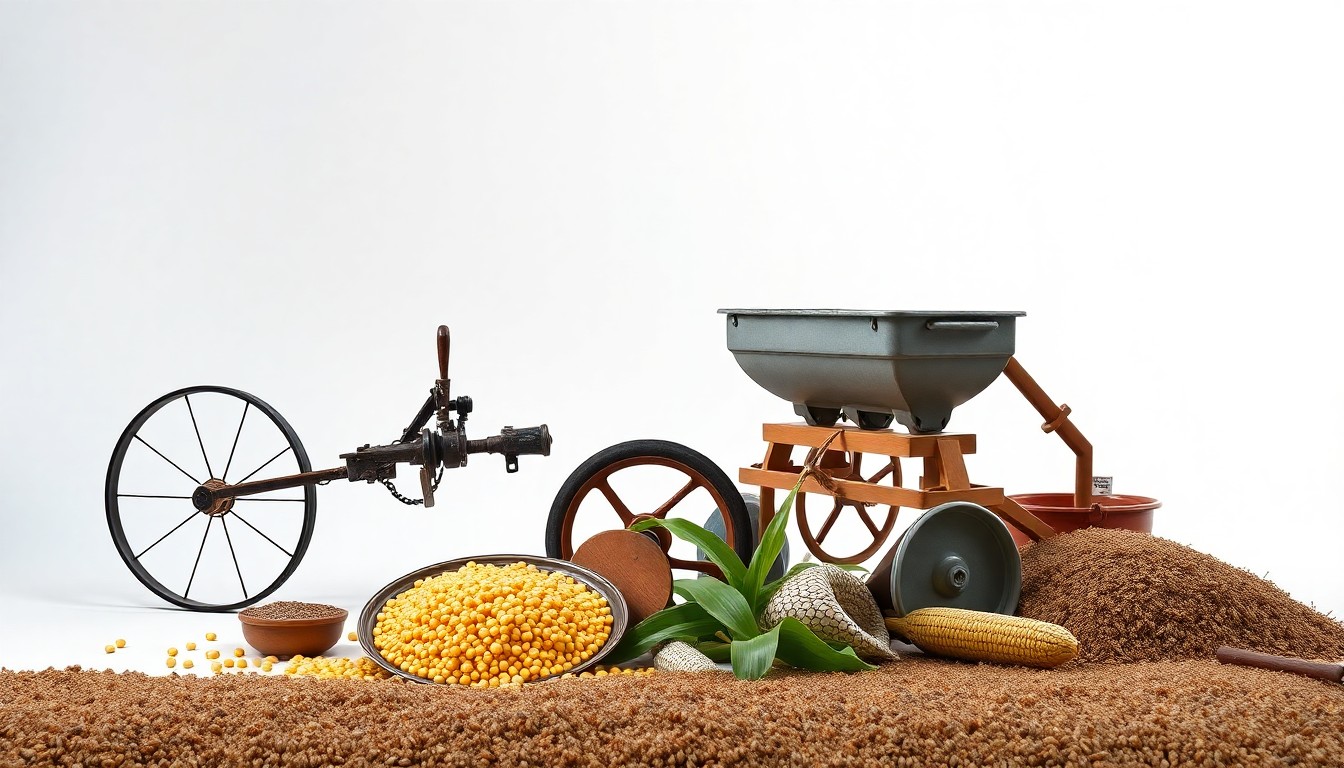 A timeless collection of tools and produce from Rigdon Farms, a 285-year-old Maryland operation that has embraced sustainable no-till practices for generations.Jarrettsville Today
Rigdon Farms, a 285-year-old, 11th-generation farm in Maryland, has been practicing no-till farming for over three decades. The farm, which was originally granted 1,000 acres by King George II of England, now spans 2,500 acres and grows corn, soybeans, and hay using no-till methods. Owner John Rigdon says adopting no-till was essential to save topsoil and prevent nutrient runoff into local watersheds and the Chesapeake Bay.
Why it matters
Rigdon Farms' long history and successful transition to no-till farming demonstrates the viability of sustainable agriculture practices, even on large-scale operations. The farm's commitment to protecting its land and natural resources serves as an example for other farmers looking to balance productivity and environmental stewardship.
The details
Rigdon Farms has evolved into a diverse operation, with John Rigdon raising no-tilled corn, soybeans, and hay, as well as double-cropping soybeans, barley, and sorghum with wheat. The farm also raises Angus and feeder cattle. Rigdon says adopting no-till was essential to save topsoil and prevent nutrient runoff, rather than primarily for yield improvements.
- Rigdon Farms was founded in 1728 and received a 1,000-acre land grant from King George II of England.
- Rigdon began adopting no-till farming practices in the mid-1970s.
The players
John Rigdon
The owner of Rigdon Farms, a 285-year-old, 11th-generation farm in Maryland.
King George II
The English monarch who granted 1,000 acres of land to the founders of Rigdon Farms in 1728.
What they’re saying
“Going to no-till wasn't so much about yields as it was erosion. Every bit of topsoil is not just soil, but it's dollars you are losing if it's washing off your fields. You have to replenish it somehow and no-till is a way to do it.”
— John Rigdon, Owner, Rigdon Farms
The takeaway
Rigdon Farms' 285-year history and successful transition to sustainable no-till farming practices demonstrates that large-scale, multi-generational farms can balance productivity and environmental stewardship. The farm's commitment to protecting its land and natural resources serves as an inspiring example for the future of American agriculture.