- Today
- Holidays
- Birthdays
- Reminders
- Cities
- Atlanta
- Austin
- Baltimore
- Berwyn
- Beverly Hills
- Birmingham
- Boston
- Brooklyn
- Buffalo
- Charlotte
- Chicago
- Cincinnati
- Cleveland
- Columbus
- Dallas
- Denver
- Detroit
- Fort Worth
- Houston
- Indianapolis
- Knoxville
- Las Vegas
- Los Angeles
- Louisville
- Madison
- Memphis
- Miami
- Milwaukee
- Minneapolis
- Nashville
- New Orleans
- New York
- Omaha
- Orlando
- Philadelphia
- Phoenix
- Pittsburgh
- Portland
- Raleigh
- Richmond
- Rutherford
- Sacramento
- Salt Lake City
- San Antonio
- San Diego
- San Francisco
- San Jose
- Seattle
- Tampa
- Tucson
- Washington
Baltimore to Relocate Traffic Cameras as Revenue Projected to Fall $4.5M
City officials plan to move cameras to new high-risk areas to address declining citation volumes.
Apr. 18, 2026 at 8:06pm
Got story updates? Submit your updates here. ›
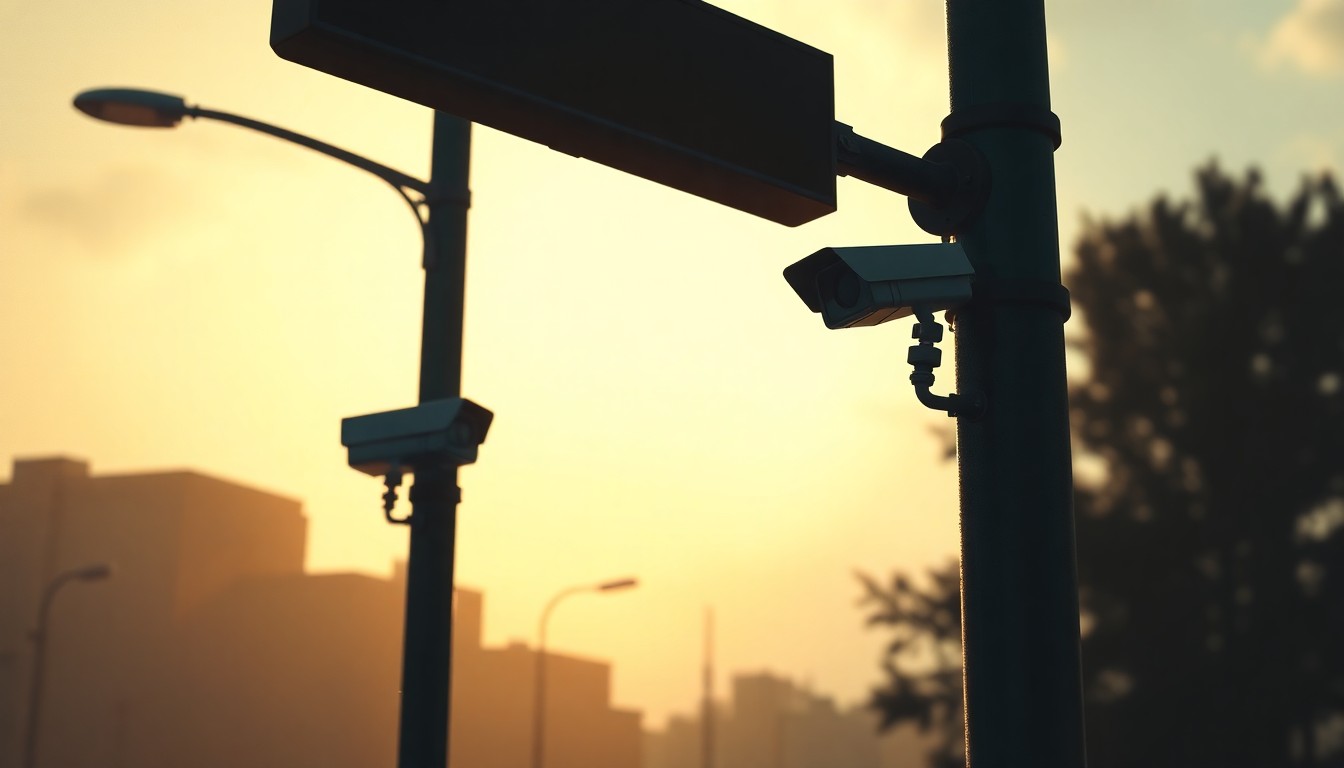 As Baltimore seeks to maintain traffic camera revenue, the city's relocation strategy raises questions about the balance between public safety and financial motivations.Baltimore Today
Baltimore City officials have announced plans to actively relocate traffic cameras across the city in an effort to address declining citation volumes and stabilize revenue from automated enforcement. The city foresees a 1.3% drop in its general fund revenue from fines and forfeitures, including a $25 million decline in revenue from speed and red-light cameras, excluding those on I-83.
Why it matters
Baltimore's reliance on traffic camera revenue has come under scrutiny, with concerns that enforcement may be driven more by financial motivations than public safety. The city's strategy to relocate cameras aims to maintain citation volumes and revenue, though officials emphasize that safety remains the primary goal.
The details
The city's preliminary budget book projects $36.8 million in revenue from fines and forfeitures in the upcoming fiscal year, with $25 million of that coming from moving violations caught on speed and red-light cameras. Assistant budget director Pedro Aponte told the City Council's Budget and Appropriations Committee that while the city anticipates a broader decline in citations over time, officials plan to respond by shifting camera locations to new high-risk areas.
- Baltimore City officials discussed the camera relocation strategy during this week's City Council Budget and Appropriations Committee hearings.
- The city's preliminary budget book projects the $36.8 million in revenue from fines and forfeitures, including $25 million from speed and red-light cameras, for the upcoming fiscal year.
The players
Pedro Aponte
Assistant budget director for the City of Baltimore.
What they’re saying
“While the city anticipates a broader decline in citations over time, officials are responding by shifting camera locations to new high-risk areas.”
— Pedro Aponte, Assistant budget director
What’s next
The City Council will continue to monitor the impact of the camera relocation strategy on citation volumes and revenue in the coming fiscal year.
The takeaway
Baltimore's reliance on traffic camera revenue has raised concerns about the motivations behind enforcement, and the city's plan to relocate cameras aims to maintain citation volumes and revenue. However, officials maintain that public safety remains the primary goal.
Baltimore top stories


Baltimore events

Apr. 18, 2026
Baltimore Symphony Orchestra
Apr. 18, 2026
Shen Yun
Apr. 18, 2026
Song Of The Saints Tour with Phil Wickham