- Today
- Holidays
- Birthdays
- Reminders
- Cities
- Atlanta
- Austin
- Baltimore
- Berwyn
- Beverly Hills
- Birmingham
- Boston
- Brooklyn
- Buffalo
- Charlotte
- Chicago
- Cincinnati
- Cleveland
- Columbus
- Dallas
- Denver
- Detroit
- Fort Worth
- Houston
- Indianapolis
- Knoxville
- Las Vegas
- Los Angeles
- Louisville
- Madison
- Memphis
- Miami
- Milwaukee
- Minneapolis
- Nashville
- New Orleans
- New York
- Omaha
- Orlando
- Philadelphia
- Phoenix
- Pittsburgh
- Portland
- Raleigh
- Richmond
- Rutherford
- Sacramento
- Salt Lake City
- San Antonio
- San Diego
- San Francisco
- San Jose
- Seattle
- Tampa
- Tucson
- Washington
Baltimore Police Adopt Brazilian Jiu-Jitsu Arrest Technique
New SafeWrap System aims to reduce injuries and improve de-escalation during arrests.
Apr. 17, 2026 at 1:04am
Got story updates? Submit your updates here. ›
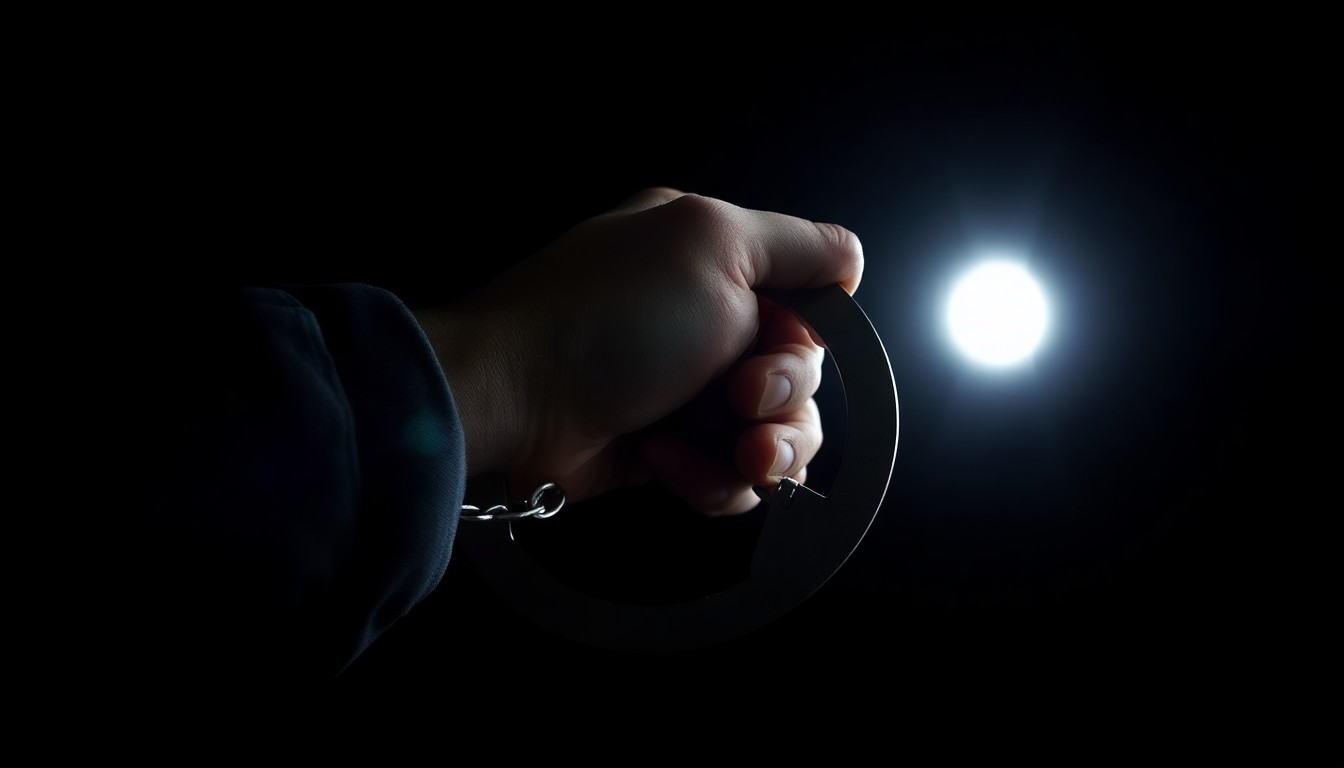 The adoption of a new restraint technique aims to improve safety and de-escalation during police arrests.Baltimore Today
Baltimore police officers have received training in a Brazilian Jiu-Jitsu-based arrest technique called the SafeWrap System. The system allows officers to safely restrain suspects while decreasing injuries and improving de-escalation tactics. The technique was originally developed for use in hospitals with psychiatric patients and has now been adapted for law enforcement.
Why it matters
The adoption of the SafeWrap System by the Baltimore Police Department is part of a broader effort to improve officer safety and reduce use of force incidents. The technique aims to provide a more humane and effective way to restrain suspects, especially those who may be neurodivergent or in crisis, by keeping them on their side rather than prone on their stomach.
The details
The SafeWrap System was created by Rener Gracie, whose family founded Brazilian Jiu-Jitsu and the Ultimate Fighting Championship. The technique allows officers to lock a suspect's legs and arms in a configuration that causes no pain, joint locks, or breathing restrictions. By keeping the suspect on their side, officers can better monitor their condition and avoid the risks associated with prone restraint. Several police departments, including the NYPD and LAPD, are already using the SafeWrap System.
- On Thursday, dozens of Baltimore, Philadelphia, and Washington, D.C. police officers participated in training on the SafeWrap System.
- The SafeWrap System was originally developed for use with psychiatric patients in hospitals.
The players
Charles Blackman
A BPD detective who was one of the officers to participate in the SafeWrap System training.
Rener Gracie
The creator of the SafeWrap System, who comes from a family of Brazilian Jiu-Jitsu and UFC founders.
Damond Durant
A Baltimore City police officer who works in education and training and looks forward to training other officers on the SafeWrap System.
New York Police Department
One of the police departments already using the SafeWrap System.
Los Angeles Police Department
One of the police departments already using the SafeWrap System.
What they’re saying
“You can tell that officers have complete, total control of the situation. You were able to breathe the entire time. It allows us to access a more effective system of taking people into custody.”
— Charles Blackman, BPD Detective
“My grandfather is one of the co-founders of the art of Brazilian Jiu-Jitsu, and my father is actually one of the founders of the Ultimate Fighting Championship, so I've grown up (with) a family of fighters and self-defense instructors.”
— Rener Gracie
“You lock their legs and their arms in a unique configuration that causes no pain, no joint locks, no diaphragm compressions and no vascular compressions — so it's very, very safe. It has been medically cleared by some of the top experts in the medical field.”
— Rener Gracie
“A lot of times, in neurodivergent populations, when you put them in prone (position), they feel like they are trapped with their face in the ground, and that actually makes them resist with greater force. Even though they are a patient that needs help, they start fighting because they are in a panic, and then officers escalate their level of force because the subject is resisting so violently. With SafeWrap, we have them on their side, their face is out, and there's a therapeutic element to being rolled up on your side in the fetal position, the lateral recumbent position.”
— Rener Gracie
“This leaves all of the airways open. They can breathe. They are not in pain. I think it's a whole lot safer.”
— Damond Durant, Baltimore City Police Officer
What’s next
BPD plans to train as many officers as possible in the SafeWrap System to implement it across the department.
The takeaway
The adoption of the SafeWrap System by the Baltimore Police Department represents a proactive step towards improving officer safety and reducing use of force incidents, particularly for suspects who may be neurodivergent or in crisis. By providing a more humane and effective restraint technique, the department aims to build trust with the community and prioritize de-escalation over escalation.