- Today
- Holidays
- Birthdays
- Reminders
- Cities
- Atlanta
- Austin
- Baltimore
- Berwyn
- Beverly Hills
- Birmingham
- Boston
- Brooklyn
- Buffalo
- Charlotte
- Chicago
- Cincinnati
- Cleveland
- Columbus
- Dallas
- Denver
- Detroit
- Fort Worth
- Houston
- Indianapolis
- Knoxville
- Las Vegas
- Los Angeles
- Louisville
- Madison
- Memphis
- Miami
- Milwaukee
- Minneapolis
- Nashville
- New Orleans
- New York
- Omaha
- Orlando
- Philadelphia
- Phoenix
- Pittsburgh
- Portland
- Raleigh
- Richmond
- Rutherford
- Sacramento
- Salt Lake City
- San Antonio
- San Diego
- San Francisco
- San Jose
- Seattle
- Tampa
- Tucson
- Washington
Waymo's Future in Maryland Uncertain After Bill Fails
Legislation to regulate driverless vehicles did not pass, raising questions about self-driving car company's plans in the state.
Apr. 15, 2026 at 8:58pm
Got story updates? Submit your updates here. ›
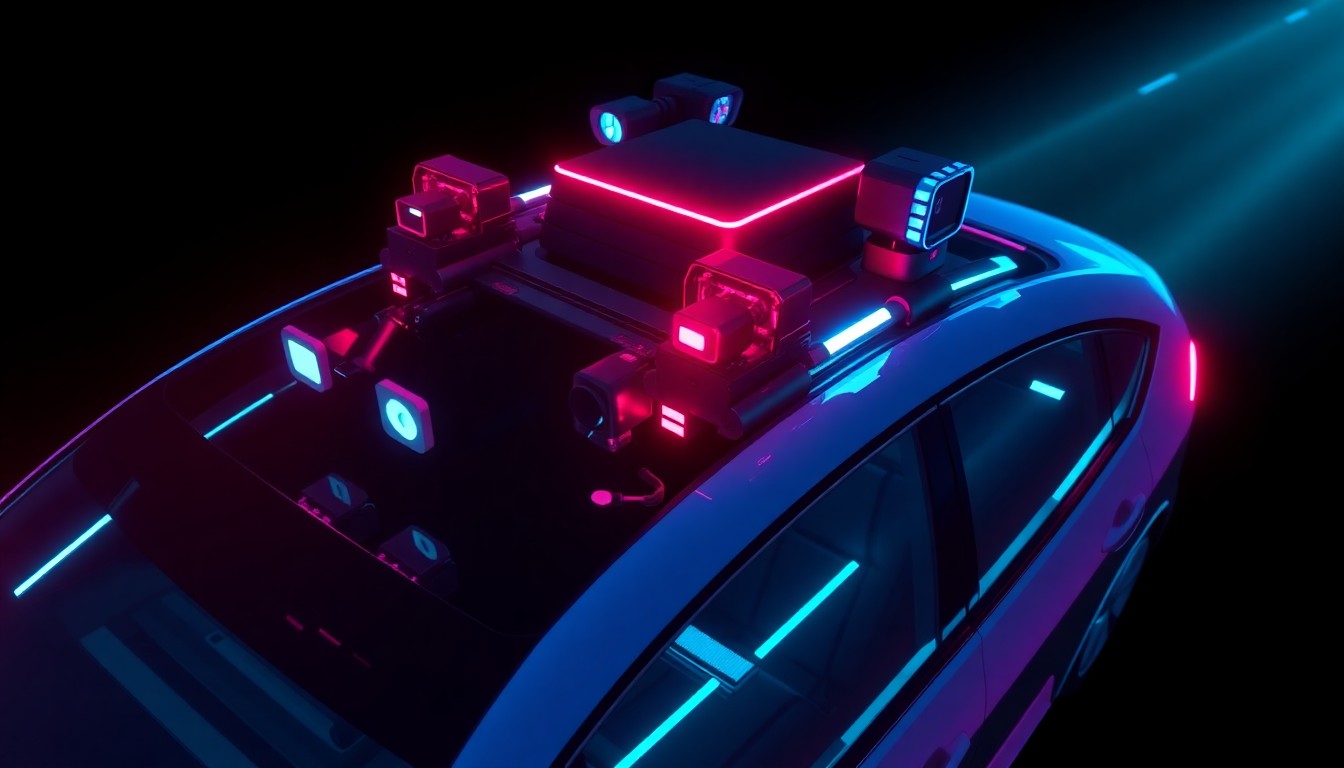 As the future of autonomous vehicles in Maryland remains uncertain, the advanced sensor suite of Waymo's self-driving cars highlights the technological challenges and potential benefits of this emerging transportation revolution.Baltimore Today
The future of Waymo and other self-driving cars in Maryland is uncertain after a bill to regulate driverless vehicles failed to pass during the legislative session. The bill would have allowed Waymo to move forward with its self-driving ride-hailing service in the state, but it faced opposition from groups concerned about potential job losses.
Why it matters
Waymo has been mapping Baltimore streets as part of its efforts to expand into the state, and the failure of the bill is a setback for the company's plans. It also raises concerns for advocates like the National Federation of the Blind of Maryland, who saw the legislation as a 'game changer' for improving transportation access and independence for people with disabilities.
The details
Waymo vehicles have been navigating Baltimore streets for the past few months, including in the Canton neighborhood, as part of the company's efforts to familiarize itself with the area. Despite the legislative setback, a Waymo spokesperson said the company remains committed to its Baltimore plans and will explore 'every available avenue' to gain the regulatory approval needed to invest in the state. The bill faced opposition from groups like the Teamsters Union, who don't believe the technology is ready and are concerned about potential job losses.
- Waymo vehicles have been mapping Baltimore streets for the past few months.
- The bill to regulate driverless vehicles failed to pass during the recent legislative session.
The players
Waymo
An autonomous driving company and a subsidiary of Alphabet Inc., Google's parent company.
Ronza Othman
The president of The National Federation of the Blind of Maryland, who expressed frustration over the bill's failure.
Nick Allen
A Baltimore County Delegate and co-sponsor of the failed bill, who anticipates it will be revisited in the next legislative session.
What they’re saying
“We'll continue laying the groundwork for our operations in Baltimore while we explore every available avenue to gain the regulatory confidence needed to invest millions of dollars in the jobs and infrastructure required to support our Baltimore operations. We want to bring our technology to the state of Maryland, and we've heard from people across the state who want access to the safety and accessibility benefits of our ride-hailing service.”
— Waymo Spokesperson
“For us, it would have been a true game changer in terms of being able to move about our communities safely and independently.”
— Ronza Othman, President of The National Federation of the Blind of Maryland
“I think with anything like this, whether it's in my committee, there's always a lot of issues when it comes to newer technology, or new issues that come along with technology. Honestly, it takes a few tries in the General Assembly for my colleagues and I to collectively kind of wrap our minds around it to understand possible future implications of it and have these discussions with the different groups that are impacted.”
— Nick Allen, Baltimore County Delegate
What’s next
The bill is expected to be revisited in the next legislative session, as lawmakers continue to grapple with the implications of driverless vehicle technology.
The takeaway
The failure of the bill to regulate driverless vehicles in Maryland highlights the ongoing challenges and uncertainties surrounding the integration of self-driving technology into communities. While advocates see the potential benefits, particularly for people with disabilities, concerns about job losses and the readiness of the technology remain significant hurdles to overcome.
Baltimore top stories



Baltimore events

Apr. 15, 2026
Baltimore Orioles vs. Arizona Diamondbacks
Apr. 17, 2026
Blade Rave
Apr. 17, 2026
Let's Love