- Today
- Holidays
- Birthdays
- Reminders
- Cities
- Atlanta
- Austin
- Baltimore
- Berwyn
- Beverly Hills
- Birmingham
- Boston
- Brooklyn
- Buffalo
- Charlotte
- Chicago
- Cincinnati
- Cleveland
- Columbus
- Dallas
- Denver
- Detroit
- Fort Worth
- Houston
- Indianapolis
- Knoxville
- Las Vegas
- Los Angeles
- Louisville
- Madison
- Memphis
- Miami
- Milwaukee
- Minneapolis
- Nashville
- New Orleans
- New York
- Omaha
- Orlando
- Philadelphia
- Phoenix
- Pittsburgh
- Portland
- Raleigh
- Richmond
- Rutherford
- Sacramento
- Salt Lake City
- San Antonio
- San Diego
- San Francisco
- San Jose
- Seattle
- Tampa
- Tucson
- Washington
Baltimore Councilman Demands Plan to Dismantle Open-Air Drug Markets
Councilman Mark Conway calls for comprehensive strategy to address addiction and get drug dealers off the streets
Apr. 15, 2026 at 12:48am
Got story updates? Submit your updates here. ›
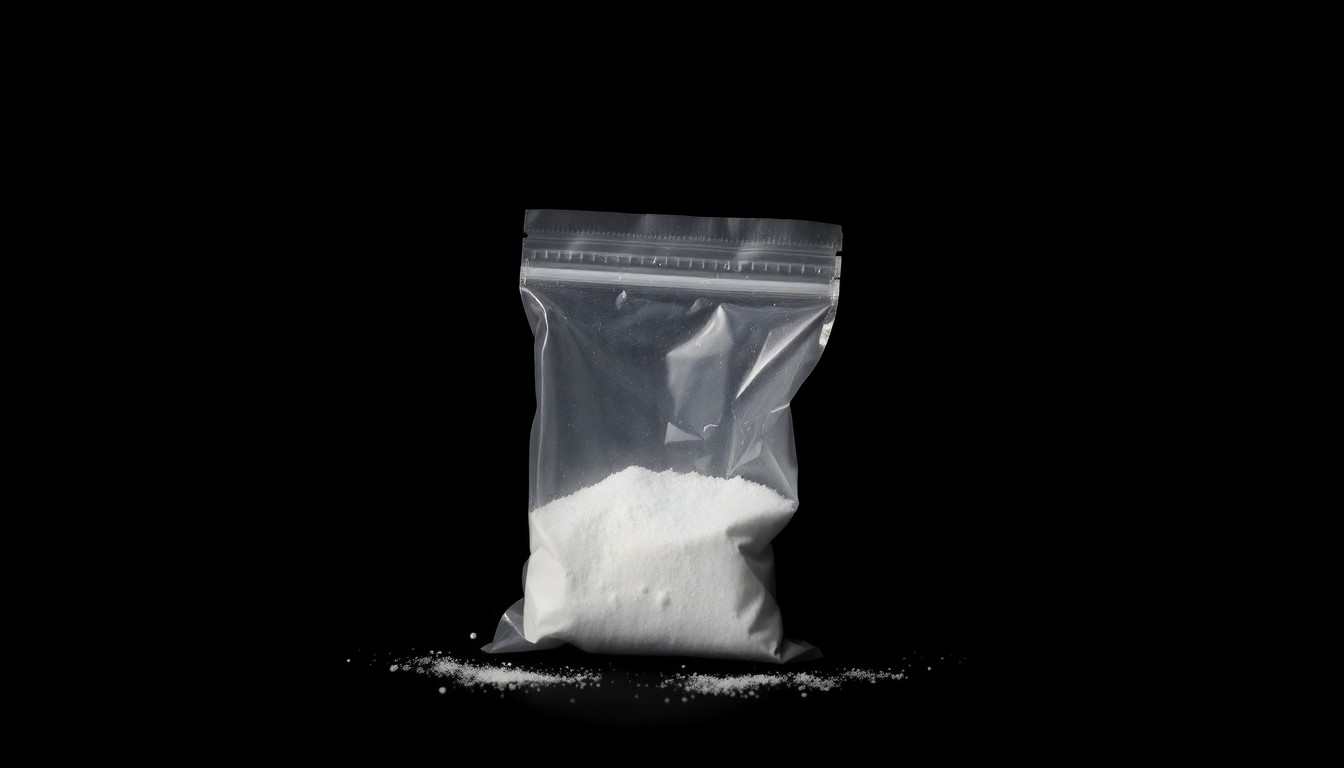 A seized drug sample from Baltimore's open-air markets exposes the dangerous substances fueling the city's addiction crisis.Baltimore Today
Baltimore Councilman and Public Safety Chair Mark Conway is demanding that the city take action to dismantle open-air drug markets, which he says are a major problem for many communities. Conway presented his own plan at a hearing, calling for help for those struggling with addiction and jobs to get drug dealers off the streets. City officials say they have a pilot program in place but acknowledge the issue is challenging, leading to a tense exchange between Conway and city leadership.
Why it matters
Open-air drug markets have long plagued Baltimore, contributing to addiction, overdoses, and other public safety issues. Addressing this problem is crucial for improving the health and wellbeing of Baltimore's communities, but efforts have been hampered by a lack of a comprehensive strategy.
The details
At a hearing on Tuesday, Councilman Conway listened to a presentation from city agencies about their efforts to address open-air drug dealing, including a pilot program near Lexington Market. However, Conway accused city leadership of not providing a clear plan, leading to a tense exchange. Conway is now proposing his own comprehensive plan to get help for those struggling with addiction and provide jobs to get drug dealers off the streets.
- The city's pilot program near Lexington Market has been in place since last June.
- In the past year from March 2025 through February 2026, Baltimore has seen 561 overdose deaths, according to the Maryland Department of Health.
- A federal task force has taken 34 kilograms of fentanyl off the streets this year, enough to kill 17 million people.
The players
Mark Conway
Baltimore Councilman and Chair of the Public Safety Committee, who is demanding a comprehensive plan to address open-air drug markets in the city.
Brandon Scott
The Mayor of Baltimore, whose office Councilman Conway says has left him in the dark on plans to address the issue.
Lisa Williams
A Baltimore resident who struggled with addiction for over 30 years but has been clean for two years, and who knows the problems of open-air drug markets.
Darrell McDonald
A resident of the Penn North neighborhood in Baltimore, who has watched the area change and believes the city needs to do more to provide alternatives to drug dealing.
What they’re saying
“If you can't do it for yourself, you can't make it through, so it's really hard. It's a real struggle getting clean.”
— Lisa Williams
“For too long, there's been an underlying assumption that these markets are just a permanent feature of our city, that they will always be here and the best we can do is to manage them. That's not acceptable.”
— Mark Conway, Baltimore Councilman and Public Safety Chair
“I've watched this area change. I grew up in this area. They need to do a better job of letting people know there are other things to do because a lot of people feel like this is the easy way to do things.”
— Darrell McDonald, Penn North Resident
What’s next
Councilman Conway said he wants a meeting with Mayor Brandon Scott to discuss the city's plan to address open-air drug markets, indicating that political tensions are hindering progress on this issue.
The takeaway
This case highlights the ongoing challenge of dismantling open-air drug markets in Baltimore, which have contributed to addiction, overdoses, and other public safety issues for years. Addressing this problem will require a comprehensive strategy that combines support for those struggling with addiction, job opportunities to steer people away from drug dealing, and coordinated efforts between city leadership and community stakeholders.
Baltimore top stories


Baltimore events
Apr. 15, 2026
Baltimore Orioles vs. Arizona Diamondbacks
Apr. 17, 2026
Blade Rave
Apr. 17, 2026
Let's Love