- Today
- Holidays
- Birthdays
- Reminders
- Cities
- Atlanta
- Austin
- Baltimore
- Berwyn
- Beverly Hills
- Birmingham
- Boston
- Brooklyn
- Buffalo
- Charlotte
- Chicago
- Cincinnati
- Cleveland
- Columbus
- Dallas
- Denver
- Detroit
- Fort Worth
- Houston
- Indianapolis
- Knoxville
- Las Vegas
- Los Angeles
- Louisville
- Madison
- Memphis
- Miami
- Milwaukee
- Minneapolis
- Nashville
- New Orleans
- New York
- Omaha
- Orlando
- Philadelphia
- Phoenix
- Pittsburgh
- Portland
- Raleigh
- Richmond
- Rutherford
- Sacramento
- Salt Lake City
- San Antonio
- San Diego
- San Francisco
- San Jose
- Seattle
- Tampa
- Tucson
- Washington
New Research Could Help Predict Diabetes Cases
Mercy Medical Center physician discusses potential breakthrough in identifying high-risk patients.
Apr. 14, 2026 at 1:30am
Got story updates? Submit your updates here. ›
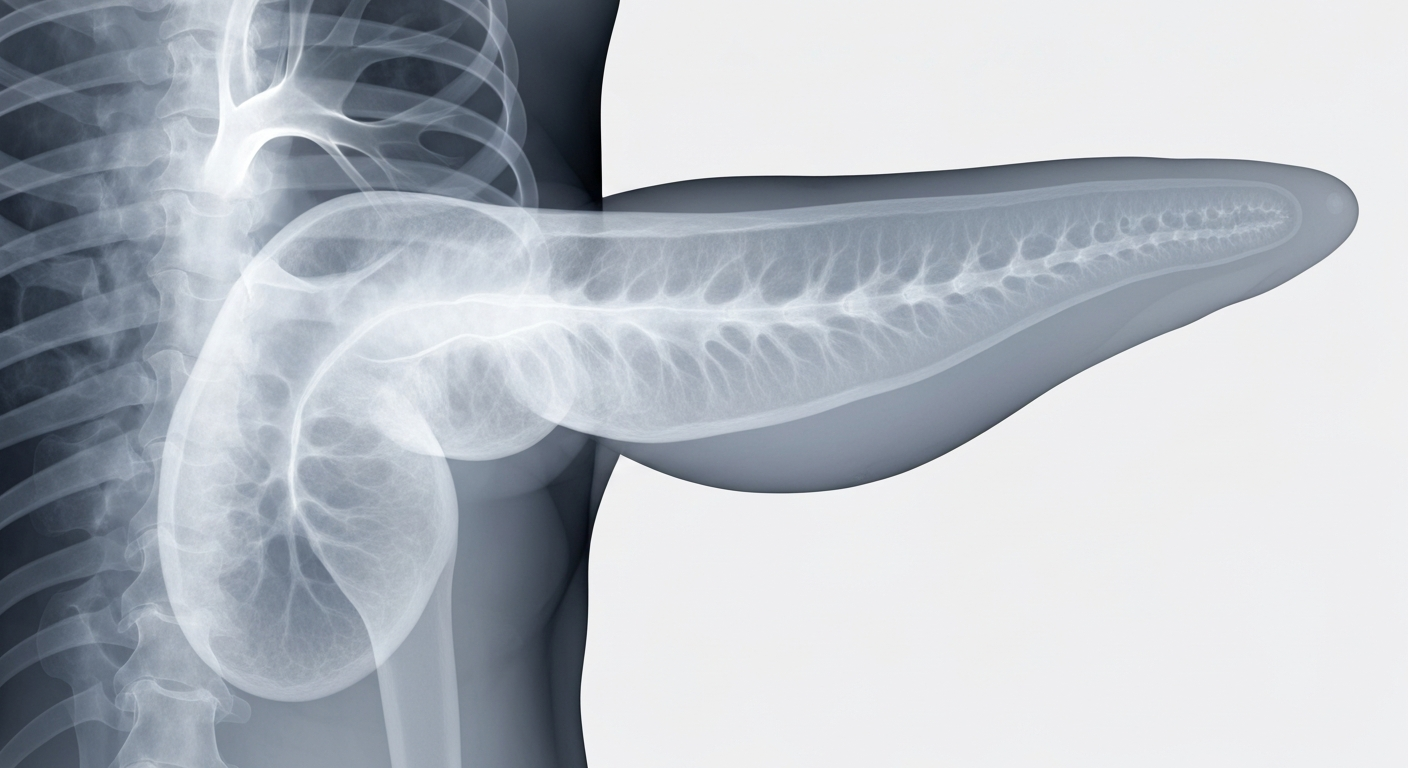 New biomarker research could allow doctors to identify patients at high risk of developing diabetes, enabling earlier intervention and prevention.Baltimore Today
A new study has found that elevated levels of certain amino acids and proteins could predict a 12-times higher risk of developing diabetes in older women, opening the possibility of earlier intervention and improved diabetes care.
Why it matters
Diabetes is a major health concern, especially for older women who face a three to four times higher risk of developing heart disease when they have diabetes. Being able to identify high-risk patients earlier could lead to more effective prevention and management strategies.
The details
The study followed people for about 12 years before they developed diabetes and found that those who went on to develop the disease had elevated levels of specific amino acids and proteins. This suggests these biomarkers could be used to predict which individuals are at a much greater risk of eventually getting diabetes.
- The study followed participants for about 12 years before they developed diabetes.
The players
Dr. Ernestine Wright
A physician at Mercy Medical Center who discussed the new research and its potential implications.
What they’re saying
“'Researchers followed people for about 12 years before they actually developed diabetes mellitus, and it showed that they had elevated levels of some amino acids and proteins that predicted that they had 12 times the risk of developing diabetes as compared to individuals who did not have those proteins.'”
— Dr. Ernestine Wright, Physician, Mercy Medical Center
What’s next
The research is still in its early stages, but if doctors could identify patients more likely to develop diabetes, intervention could start earlier, providing a potential breakthrough for diabetes care.
The takeaway
This new research offers hope that physicians may soon be able to predict which patients are at high risk of developing diabetes, allowing for earlier prevention and management strategies that could dramatically improve health outcomes.
Baltimore top stories



Baltimore events

Apr. 14, 2026
Baltimore Orioles vs. Arizona Diamondbacks
Apr. 14, 2026
Hayley Williams w/ Water From Your Eyes