- Today
- Holidays
- Birthdays
- Reminders
- Cities
- Atlanta
- Austin
- Baltimore
- Berwyn
- Beverly Hills
- Birmingham
- Boston
- Brooklyn
- Buffalo
- Charlotte
- Chicago
- Cincinnati
- Cleveland
- Columbus
- Dallas
- Denver
- Detroit
- Fort Worth
- Houston
- Indianapolis
- Knoxville
- Las Vegas
- Los Angeles
- Louisville
- Madison
- Memphis
- Miami
- Milwaukee
- Minneapolis
- Nashville
- New Orleans
- New York
- Omaha
- Orlando
- Philadelphia
- Phoenix
- Pittsburgh
- Portland
- Raleigh
- Richmond
- Rutherford
- Sacramento
- Salt Lake City
- San Antonio
- San Diego
- San Francisco
- San Jose
- Seattle
- Tampa
- Tucson
- Washington
Iran's $2 Million Strait of Hormuz Toll Sparks Little Outrage
Decades of framing Iran as a military threat have conditioned the public to accept economic pressure as a 'bargain' compared to war.
Apr. 12, 2026 at 12:03am
Got story updates? Submit your updates here. ›
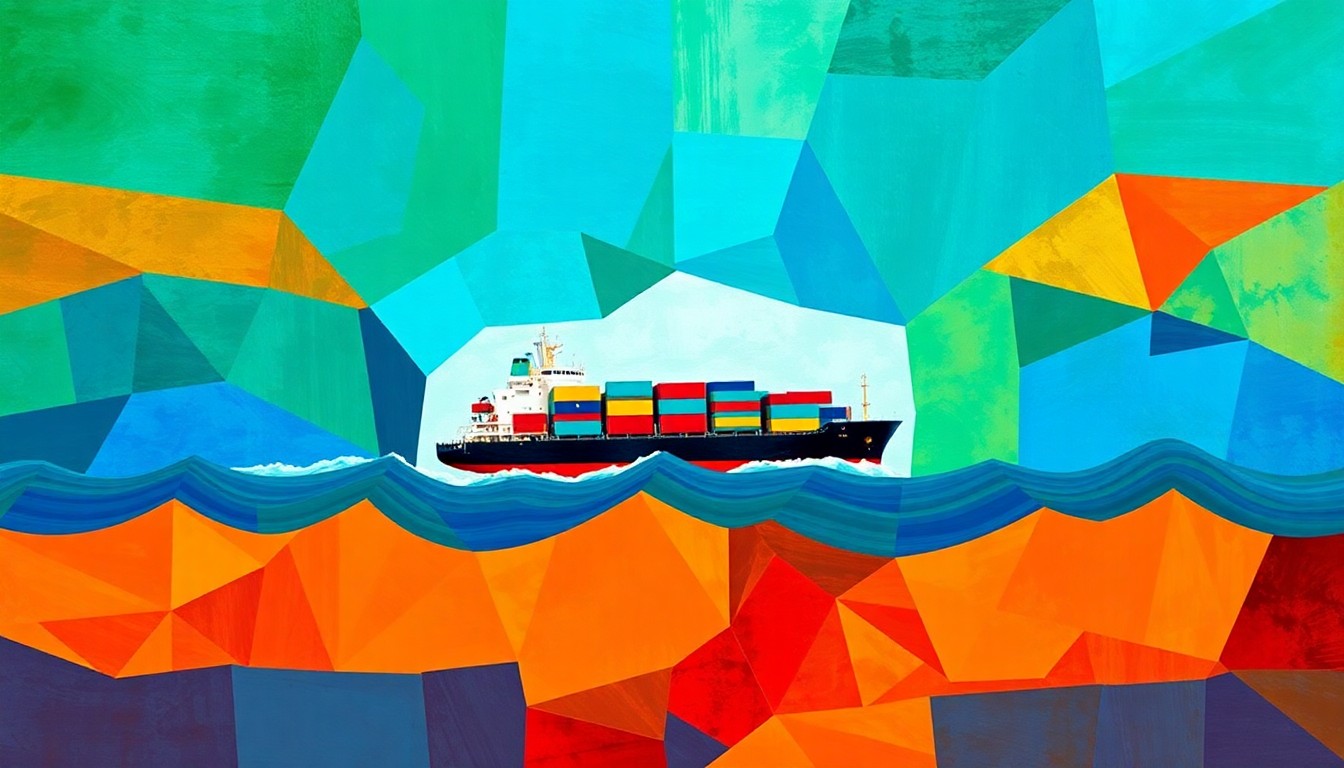 Iran's unilateral toll on ships passing through a critical global waterway exposes how the public has been conditioned to accept economic pressure as a necessary price of avoiding war.Annapolis Today
Iran has imposed a $2 million toll per ship passing through the Strait of Hormuz, one of the world's most critical waterways. Despite the economic and geopolitical significance, the public response has been largely indifferent. Experts say this is not due to ignorance or apathy, but rather the result of decades of framing Iran exclusively as a military threat, making any non-military action seem like a relief, regardless of the actual cost.
Why it matters
The absence of outrage over Iran's toll highlights how the public has been psychologically conditioned to measure every geopolitical cost against the specter of war, making almost anything seem acceptable as long as the guns stay quiet. This 'acceptance threshold' has allowed Iran to employ gray-zone coercion tactics that stay below the level of public outrage, even as the economic impacts ripple through global supply chains.
The details
Iran has unilaterally imposed a $2 million toll per ship passing through the Strait of Hormuz, a critical global waterway that carries roughly a fifth of the world's daily oil supply. Despite the unprecedented nature of this move and its potential economic consequences, the public reaction has been largely muted. Experts say this is because decades of framing Iran as an exclusively military threat have trained the public to view any non-military action by Iran as a 'bargain' in comparison to the specter of war.
- Iran began imposing the $2 million per ship toll in April 2026.
The players
Marcus Chen
A 41-year-old logistics coordinator in Long Beach, California, who saw the headline about Iran's toll but felt little outrage, saying 'It's Iran. They're always doing something.'
Denise Okoro
A 37-year-old high school economics teacher in Atlanta who was 'relieved it was just money' rather than military action when she heard about Iran's toll.
James Whitfield
A 55-year-old retired naval officer now teaching security studies in Annapolis, Maryland, who has observed how successive administrations have framed Iran as a military threat first and everything else second.
Sandra Reeves
A 48-year-old energy market analyst in Houston who believes the public has been conditioned to see Iran's actions as either diplomatic or explosive, leaving no 'middle ground' for a measured response to economic pressure.
What they’re saying
“I literally thought, 'Well, at least they're charging money and not shooting at people.' That was my actual thought. I was relieved it was just money.”
— Denise Okoro, high school economics teacher
“We trained the public to see every interaction with Iran through the lens of potential kinetic conflict. Every administration — it didn't matter which party — framed Iran as a military threat first and everything else second. So now when Iran does something that's purely economic, purely transactional, the public doesn't have a category for outrage. They just have relief.”
— James Whitfield, retired naval officer, security studies professor
“People have been conditioned to believe that anything involving Iran is either going to be solved by diplomats behind closed doors or it's going to explode into something uncontrollable. There's no middle ground in the public imagination. So a toll — this gray-zone economic pressure — it falls into a gap where nobody knows what to feel. And when people don't know what to feel, they feel nothing.”
— Sandra Reeves, energy market analyst
What’s next
The international community is expected to continue monitoring the situation in the Strait of Hormuz and evaluate potential diplomatic or economic responses to Iran's unilateral toll, though any major action remains unlikely given the public's muted reaction.
The takeaway
This case highlights how decades of framing Iran as an exclusively military threat have conditioned the public to accept almost any non-military action by Iran as a 'bargain' in comparison to the specter of war. This psychological anchoring has allowed Iran to employ gray-zone coercion tactics that stay below the threshold of public outrage, even as the economic impacts ripple through global supply chains.
Annapolis top stories



Annapolis events

Apr. 17, 2026
Eddie Money Legacy
Apr. 18, 2026
Jonathan Butler (6:30 PM)
Apr. 18, 2026
Jonathan Butler (9:30 PM)