- Today
- Holidays
- Birthdays
- Reminders
- Cities
- Atlanta
- Austin
- Baltimore
- Berwyn
- Beverly Hills
- Birmingham
- Boston
- Brooklyn
- Buffalo
- Charlotte
- Chicago
- Cincinnati
- Cleveland
- Columbus
- Dallas
- Denver
- Detroit
- Fort Worth
- Houston
- Indianapolis
- Knoxville
- Las Vegas
- Los Angeles
- Louisville
- Madison
- Memphis
- Miami
- Milwaukee
- Minneapolis
- Nashville
- New Orleans
- New York
- Omaha
- Orlando
- Philadelphia
- Phoenix
- Pittsburgh
- Portland
- Raleigh
- Richmond
- Rutherford
- Sacramento
- Salt Lake City
- San Antonio
- San Diego
- San Francisco
- San Jose
- Seattle
- Tampa
- Tucson
- Washington
Lynn Today
By the People, for the People
Lynn Community Garden Network Expands Access to Urban Gardening
The Food Project partners with 15 community gardens across the city to centralize resources and outreach.
Apr. 17, 2026 at 11:18pm
Got story updates? Submit your updates here. ›
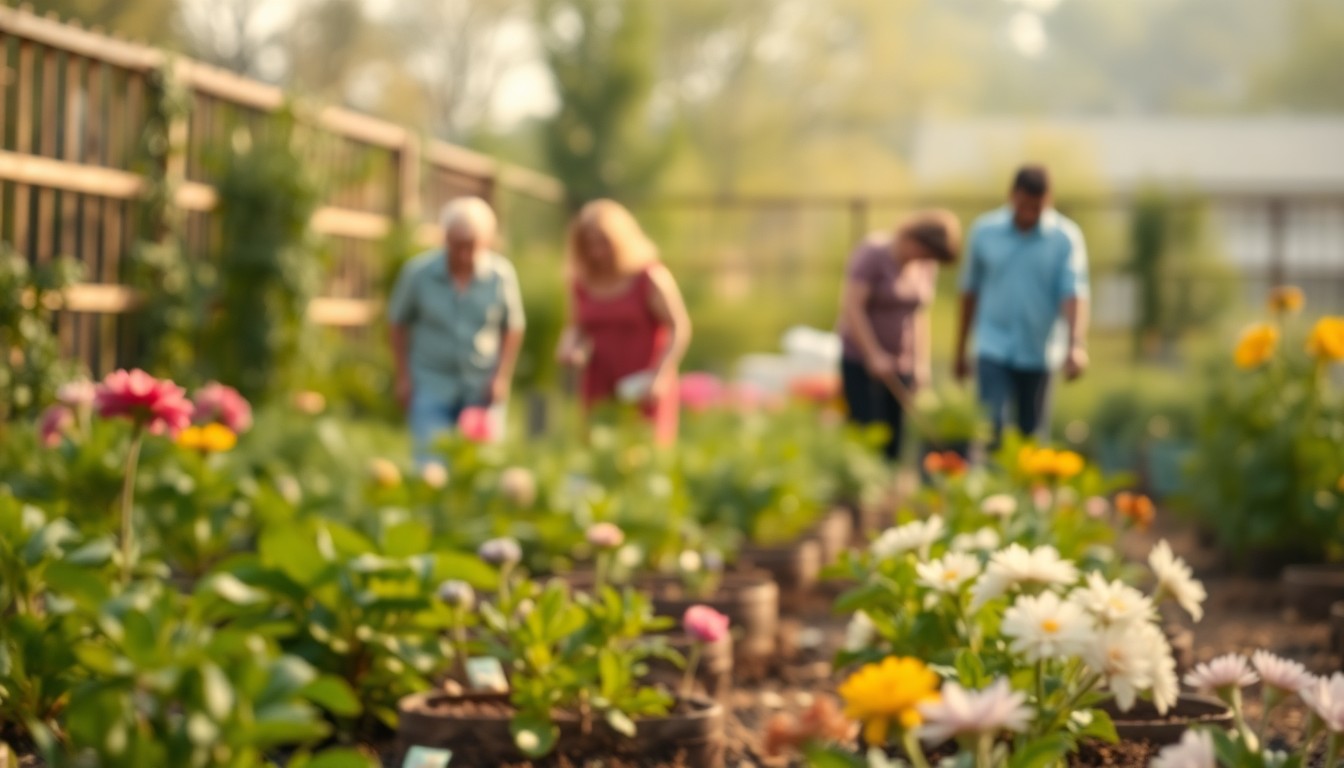 The Lynn Community Garden Network fosters a sense of shared purpose and collective action around urban agriculture and food access.Lynn Today
The Food Project has launched the Lynn Community Garden Network, a collaborative effort with 15 community gardens across Lynn, Massachusetts. The network aims to improve accessibility, coordination, and community engagement around urban gardening in the city. Through monthly workshops, shared resources, and centralized data collection, the project seeks to make gardening more inclusive and empowering for all Lynn residents.
Why it matters
Community gardens provide important access to fresh, affordable produce in urban areas, but can often be siloed or inaccessible to many residents. The Lynn Community Garden Network seeks to break down these barriers by fostering connections, sharing knowledge, and ensuring these green spaces truly serve the entire community.
The details
The Lynn Community Garden Network replaces the previous 'Lynn Grows' initiative, which was less accessible. Now, the 15 community gardens across the city each have their own coordinator, and the network will host monthly workshops to teach gardening basics like planting and care. The Food Project also collects quantitative and qualitative data on the gardens' impact, tracking food production, participation, and resident feedback. One key challenge identified is the lack of reliable water access at many garden sites, which the network aims to help address through connections with city officials.
- The first workshop will take place next month after The Food Project's annual plant sale on Ingalls Farm.
- The Food Project gathers survey data from gardeners at the start of the season and again later to track changes in food access.
The players
The Food Project
A nonprofit organization that runs urban farming and youth development programs, including the launch of the Lynn Community Garden Network.
Gray Lawson
The food access and education manager at The Food Project, overseeing the Lynn Community Garden Network.
Adesuwa Usuanlele
The associate director of youth programs and community partnerships at The Food Project, involved in the network's expansion.
What they’re saying
“What we were running into in the past year is that everyone's kind of in their own bubble doing their own things. But a lot of us are repeating the same work, and it's not the intended outreach.”
— Gray Lawson, Food Access and Education Manager, The Food Project
“Definitely this being a space for like resident collective action.”
— Adesuwa Usuanlele, Associate Director of Youth Programs and Community Partnerships, The Food Project
“Growing your own food is and can be for everyone. And we want everyone to be growing their own food.”
— Gray Lawson, Food Access and Education Manager, The Food Project
What’s next
The Food Project plans to continue expanding the Lynn Community Garden Network, addressing challenges like water access, and hosting regular workshops to engage more residents in urban gardening.
The takeaway
The Lynn Community Garden Network demonstrates how centralized coordination and community-driven initiatives can make urban gardening more accessible and empowering for all residents, fostering a sense of shared ownership and collective action around local food production.