- Today
- Holidays
- Birthdays
- Reminders
- Cities
- Atlanta
- Austin
- Baltimore
- Berwyn
- Beverly Hills
- Birmingham
- Boston
- Brooklyn
- Buffalo
- Charlotte
- Chicago
- Cincinnati
- Cleveland
- Columbus
- Dallas
- Denver
- Detroit
- Fort Worth
- Houston
- Indianapolis
- Knoxville
- Las Vegas
- Los Angeles
- Louisville
- Madison
- Memphis
- Miami
- Milwaukee
- Minneapolis
- Nashville
- New Orleans
- New York
- Omaha
- Orlando
- Philadelphia
- Phoenix
- Pittsburgh
- Portland
- Raleigh
- Richmond
- Rutherford
- Sacramento
- Salt Lake City
- San Antonio
- San Diego
- San Francisco
- San Jose
- Seattle
- Tampa
- Tucson
- Washington
Framingham Today
By the People, for the People
AI Uncovers Adult Thymus as Key to Cancer Immunotherapy Success
Researchers find the thymus gland remains active in adults, impacting longevity and immunotherapy outcomes.
Apr. 15, 2026 at 12:20pm
Got story updates? Submit your updates here. ›
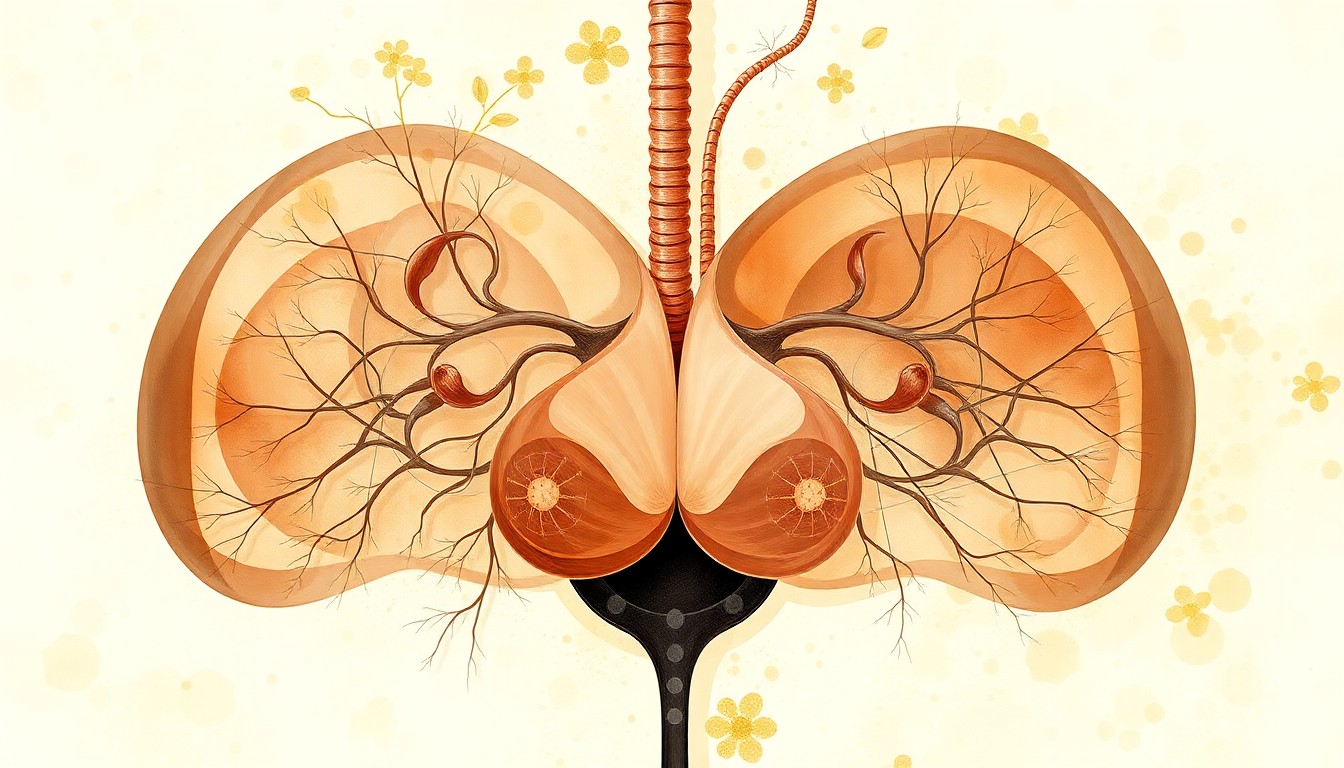 Cutting-edge AI analysis uncovers the adult thymus gland as a master regulator of immune function, with profound implications for cancer treatment and healthy aging.Framingham Today
Two new studies led by Harvard-affiliated researchers at Brigham and Women's Hospital and Dana-Farber Cancer Institute challenge the long-standing assumption that the thymus gland becomes inactive after puberty. Using AI to analyze CT scans, the researchers found that a healthy adult thymus boosts longevity, guards against cardiovascular disease, and plays a decisive role in cancer immunotherapy outcomes. The findings suggest the thymus retains significant functionality throughout an individual's lifespan, positioning it as a promising target for personalized therapeutic interventions.
Why it matters
These discoveries could revolutionize cancer treatment and preventive medicine. By quantifying thymic health, clinicians may be able to optimize patient selection for immunotherapy, time treatment initiation, and develop targeted immune rejuvenation strategies. The adult thymus appears to be a critical, yet overlooked, factor in longevity, cardiovascular health, and cancer defense.
The details
The researchers developed an AI framework to evaluate routine CT images from over 3,400 cancer patients receiving immunotherapy. The model quantified thymic health by analyzing the structural integrity and adipose tissue replacement within the mediastinal gland. The results showed a strong connection between higher baseline thymic health and improved overall survival rates, even when controlling for established biomarkers like PD-L1 and tumor mutation burden. Further blood-based validation confirmed the radiographic thymic health measurements accurately reflected active T-cell generation in adults.
- The two studies were published in April 2026 in the journal Nature.
The players
Harvard Medical School
The research was led by Harvard-affiliated scientists at Brigham and Women's Hospital and Dana-Farber Cancer Institute.
Hugo Aerts
The corresponding author and a Harvard Medical School professor who emphasized the historical oversight of the thymus gland and its potential to unlock new insights in aging and cancer treatment.
What they’re saying
“The thymus might represent a missing piece in understanding variable aging processes and unpredictable cancer treatment failures.”
— Hugo Aerts, Harvard Medical School Professor
What’s next
Extensive prospective trials will be required to confirm the consistency of AI-based thymic health assessments across different hospital systems before regulatory agencies approve its use as a clinical biomarker.
The takeaway
These groundbreaking studies challenge the long-held assumption that the thymus gland becomes functionally irrelevant after puberty. By demonstrating the thymus' pivotal role in longevity, cardiovascular health, and cancer immunotherapy outcomes, the findings open up new frontiers for personalized medicine and preventive care.