- Today
- Holidays
- Birthdays
- Reminders
- Cities
- Atlanta
- Austin
- Baltimore
- Berwyn
- Beverly Hills
- Birmingham
- Boston
- Brooklyn
- Buffalo
- Charlotte
- Chicago
- Cincinnati
- Cleveland
- Columbus
- Dallas
- Denver
- Detroit
- Fort Worth
- Houston
- Indianapolis
- Knoxville
- Las Vegas
- Los Angeles
- Louisville
- Madison
- Memphis
- Miami
- Milwaukee
- Minneapolis
- Nashville
- New Orleans
- New York
- Omaha
- Orlando
- Philadelphia
- Phoenix
- Pittsburgh
- Portland
- Raleigh
- Richmond
- Rutherford
- Sacramento
- Salt Lake City
- San Antonio
- San Diego
- San Francisco
- San Jose
- Seattle
- Tampa
- Tucson
- Washington
U.S. First Stem Cell Treatment Restores Vision in Severe Eye Injury Patients
Pioneering limbal stem cell transplantation technique shows promise in restoring corneal function
Apr. 19, 2026 at 3:12am
Got story updates? Submit your updates here. ›
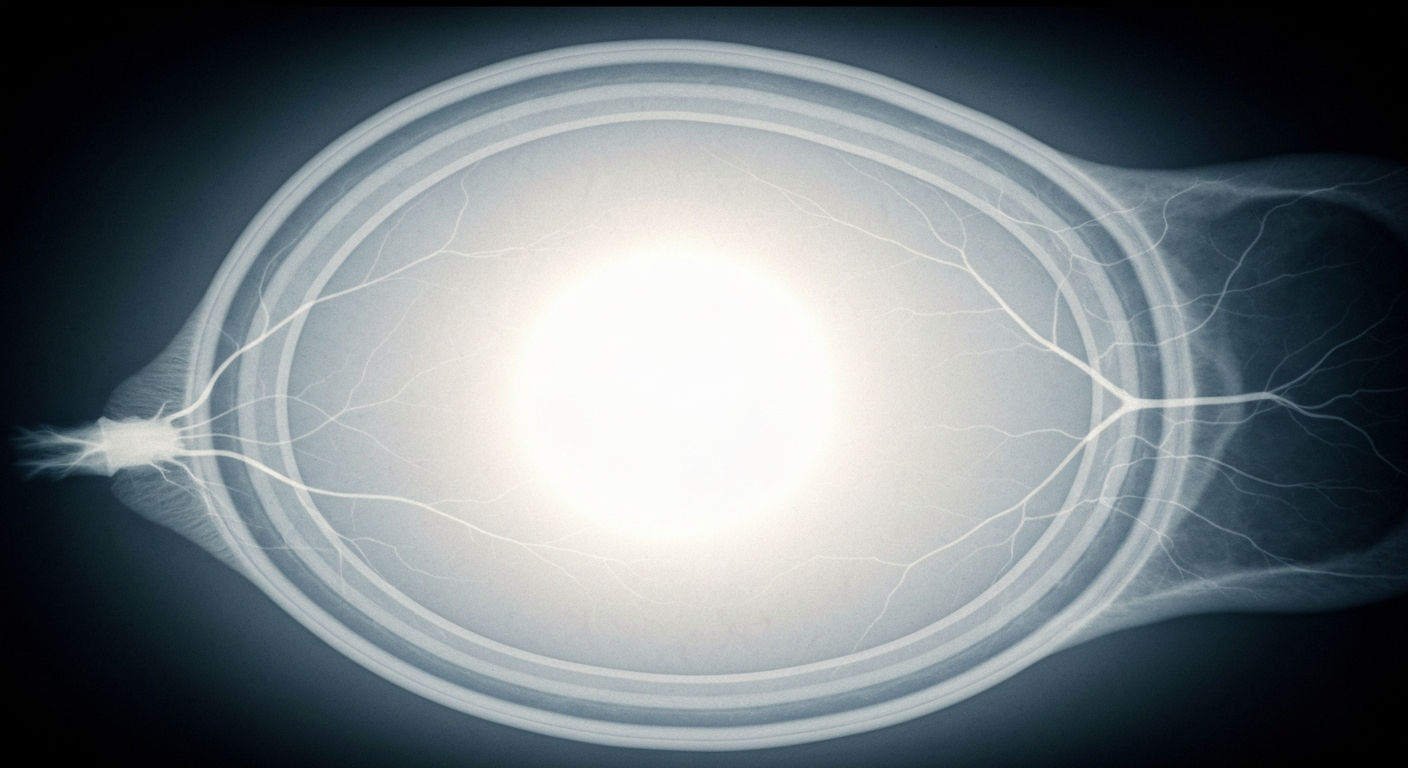 An innovative stem cell therapy offers new hope for restoring vision in patients with severe corneal injuries.Boston Today
Researchers at Harvard's Massachusetts Eye and Ear have developed a limbal stem-cell transplantation technique that has successfully restored vision in patients with severe corneal injuries. The treatment, which involves culturing and transplanting a patient's own stem cells, has shown a 71% success rate in a pilot study, mirroring similar outcomes in Japan. This breakthrough highlights the potential of stem cell therapies to transform the treatment of corneal trauma and vision loss.
Why it matters
Corneal injuries and trauma are a major cause of vision loss, with an estimated 2.4 million eye injuries occurring annually in the U.S. alone. The pioneering stem cell treatment developed at Massachusetts Eye and Ear offers a promising new approach to restoring vision and corneal function for these patients, potentially reducing the need for traditional corneal transplants.
The details
The limbal stem-cell transplantation technique involves harvesting stem cells from the patient's own eye, culturing them in the lab, and then transplanting them back into the damaged cornea. In a 2023 pilot study, 14 patients with unilateral limbal deficiency received the treatment, and 10 (71%) achieved complete epithelial healing and measurable visual acuity improvement after 18 months. Similar success rates have been reported in Japan, where a multicenter trial using cultivated oral mucosal epithelial sheets for total limbal stem-cell deficiency achieved a 78% success rate.
- In 2023, researchers at Massachusetts Eye and Ear conducted a pilot study of the limbal stem-cell transplantation technique.
- The Japan Society of Ophthalmology reported a 78% success rate in a multicenter trial using cultivated oral mucosal epithelial sheets for total limbal stem-cell deficiency.
- In 2024, a pre-clinical study in Nature Communications demonstrated a 40% reduction in corneal haze in rodent models when edited limbal cells were used.
- In 2023, the FDA cleared a point-of-care expansion device for ocular surface disease, signaling a shift toward more accessible stem cell-based treatments.
The players
Massachusetts Eye and Ear
A leading research institution that has pioneered the limbal stem-cell transplantation technique for restoring corneal function.
Japan Society of Ophthalmology
A professional organization that reported a 78% success rate in a multicenter trial using cultivated oral mucosal epithelial sheets for total limbal stem-cell deficiency.
Cellevate Therapeutics
A biotech firm developing allogeneic limbal stem-cell lines derived from donor tissue or induced pluripotent stem cells (iPSCs) to overcome the logistical hurdles of autologous harvesting.
What’s next
As clinical data continue to accumulate, stem-cell-based ocular surface repair is set to grow a standard of care—turning what was once a dire prognosis into a recoverable outcome for thousands worldwide.
The takeaway
The pioneering stem cell treatment developed at Massachusetts Eye and Ear offers a promising new approach to restoring vision and corneal function for patients with severe eye injuries, potentially reducing the need for traditional corneal transplants and transforming the treatment of corneal trauma and vision loss.
Boston top stories



Boston events

Apr. 19, 2026
Wild Kratts Live 2.0 - Activate Creature Power!
Apr. 19, 2026
Disney's Beauty and the Beast (Touring)
Apr. 19, 2026
Wild Kratts Live 2.0 - Activate Creature Power!