- Today
- Holidays
- Birthdays
- Reminders
- Cities
- Atlanta
- Austin
- Baltimore
- Berwyn
- Beverly Hills
- Birmingham
- Boston
- Brooklyn
- Buffalo
- Charlotte
- Chicago
- Cincinnati
- Cleveland
- Columbus
- Dallas
- Denver
- Detroit
- Fort Worth
- Houston
- Indianapolis
- Knoxville
- Las Vegas
- Los Angeles
- Louisville
- Madison
- Memphis
- Miami
- Milwaukee
- Minneapolis
- Nashville
- New Orleans
- New York
- Omaha
- Orlando
- Philadelphia
- Phoenix
- Pittsburgh
- Portland
- Raleigh
- Richmond
- Rutherford
- Sacramento
- Salt Lake City
- San Antonio
- San Diego
- San Francisco
- San Jose
- Seattle
- Tampa
- Tucson
- Washington
Cyclone Freddy Batters Madagascar, Leaving Destruction and Hardship in Its Wake
The powerful storm caused widespread damage, disrupting lives and livelihoods across the island nation.
Apr. 19, 2026 at 6:34am
Got story updates? Submit your updates here. ›
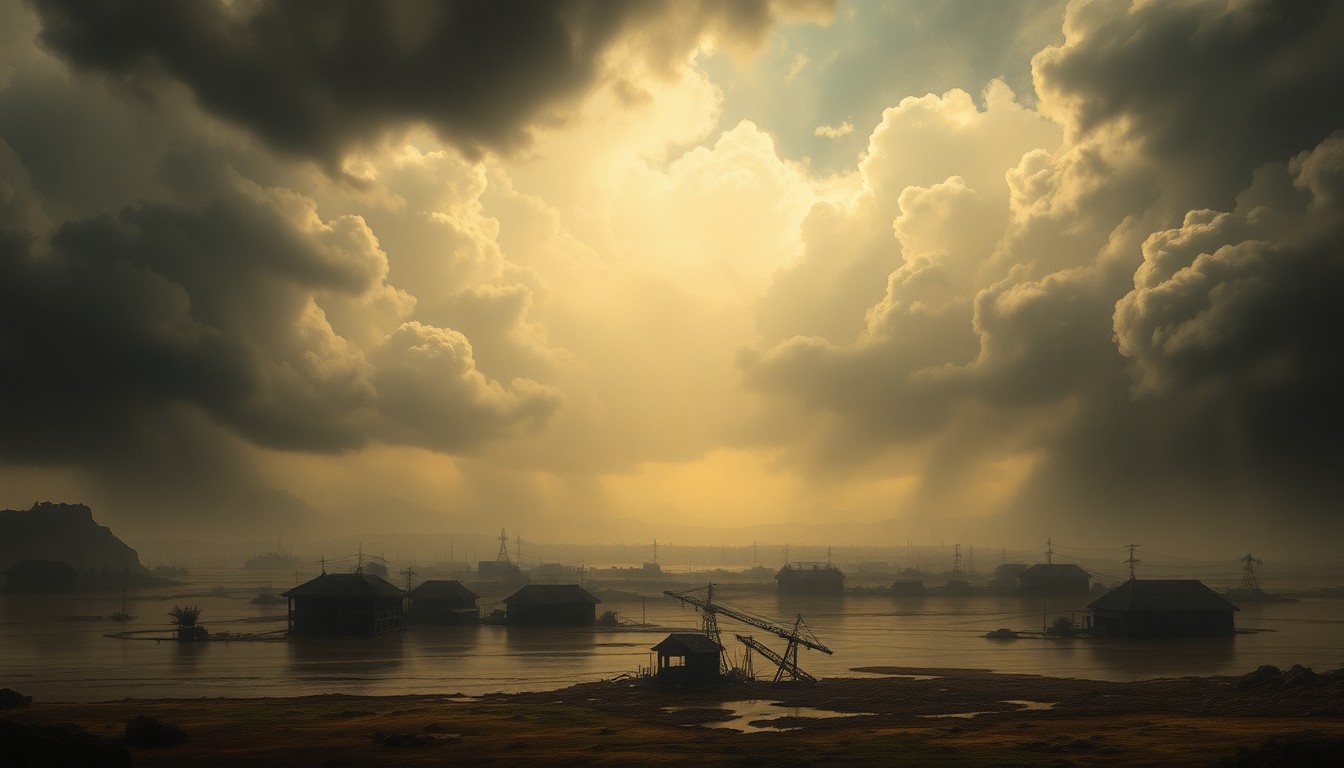 The relentless onslaught of Cyclone Freddy left communities in Madagascar submerged and struggling to recover from the storm's catastrophic impact.Boston Today
Cyclone Freddy, a massive and long-lasting tropical storm, recently slammed into Madagascar, causing extensive damage and disruption. The cyclone's powerful winds and torrential rains devastated communities, destroying homes, infrastructure, and farmland. The scale of the destruction has left thousands displaced and struggling to recover, highlighting the urgent need for improved disaster preparedness and global support.
Why it matters
Cyclone Freddy's impact on Madagascar underscores the growing threat of extreme weather events driven by climate change. The cyclone's extended presence and erratic path compounded the damage, overwhelming the country's resources and exposing the vulnerabilities of its population. This disaster serves as a wake-up call, emphasizing the need for investment in resilient infrastructure, disaster preparedness measures, and global cooperation to support vulnerable communities facing the consequences of a changing climate.
The details
Cyclone Freddy originated in the Indian Ocean and gathered strength as it approached Madagascar. The storm's winds reached incredible speeds, tearing apart buildings and uprooting trees. The torrential rainfall caused rivers to overflow their banks, turning communities into vast, muddy lakes. The extended presence of the cyclone, making multiple landfalls, meant the damage was compounded, and the affected areas remained vulnerable for an extended period.
- Cyclone Freddy originated far out in the Indian Ocean and made its way towards Madagascar.
- The storm made multiple landfalls in Madagascar, battering the same areas over and over.
- The cyclone's extended presence and erratic path lasted for weeks, causing prolonged destruction.
The players
Madagascar
The island nation in the Indian Ocean that was devastated by Cyclone Freddy, facing widespread damage and disruption to lives and livelihoods.
International Aid Agencies
Organizations like the Red Cross, Doctors Without Borders, and the World Food Programme that have mobilized resources and provided critical assistance to the people of Madagascar in the aftermath of the cyclone.
What they’re saying
“The sheer scale of Freddy's power is hard to fathom. Imagine winds strong enough to tear apart buildings and uproot trees. Picture rainfall so intense that rivers overflow their banks, turning communities into vast, muddy lakes.”
— Marcus Thorne, Author
“This disaster serves as a wake-up call, emphasizing the need for investment in resilient infrastructure, disaster preparedness measures, and global cooperation to support vulnerable communities facing the consequences of a changing climate.”
— Marcus Thorne, Author
What’s next
The international community and aid organizations will continue to provide support for the long-term recovery and rebuilding efforts in Madagascar, focusing on infrastructure restoration, economic recovery, and building community resilience to future disasters.
The takeaway
Cyclone Freddy's devastating impact on Madagascar underscores the urgent need for comprehensive disaster preparedness, sustainable development, and global action to address the growing threat of climate change. By investing in resilient infrastructure, promoting climate-smart practices, and fostering international cooperation, vulnerable communities can be better equipped to withstand and recover from the increasingly frequent and intense natural disasters.
Boston top stories



Boston events

Apr. 19, 2026
Wild Kratts Live 2.0 - Activate Creature Power!
Apr. 19, 2026
Disney's Beauty and the Beast (Touring)
Apr. 19, 2026
Wild Kratts Live 2.0 - Activate Creature Power!