- Today
- Holidays
- Birthdays
- Reminders
- Cities
- Atlanta
- Austin
- Baltimore
- Berwyn
- Beverly Hills
- Birmingham
- Boston
- Brooklyn
- Buffalo
- Charlotte
- Chicago
- Cincinnati
- Cleveland
- Columbus
- Dallas
- Denver
- Detroit
- Fort Worth
- Houston
- Indianapolis
- Knoxville
- Las Vegas
- Los Angeles
- Louisville
- Madison
- Memphis
- Miami
- Milwaukee
- Minneapolis
- Nashville
- New Orleans
- New York
- Omaha
- Orlando
- Philadelphia
- Phoenix
- Pittsburgh
- Portland
- Raleigh
- Richmond
- Rutherford
- Sacramento
- Salt Lake City
- San Antonio
- San Diego
- San Francisco
- San Jose
- Seattle
- Tampa
- Tucson
- Washington
Bobbi Gibb Defied Ban to Become First Woman to Run Boston Marathon
Six decades after her historic run, Bobbi Gibb reflects on how love, not fear, pushed her to crash the all-male race.
Apr. 14, 2026 at 8:37pm
Got story updates? Submit your updates here. ›
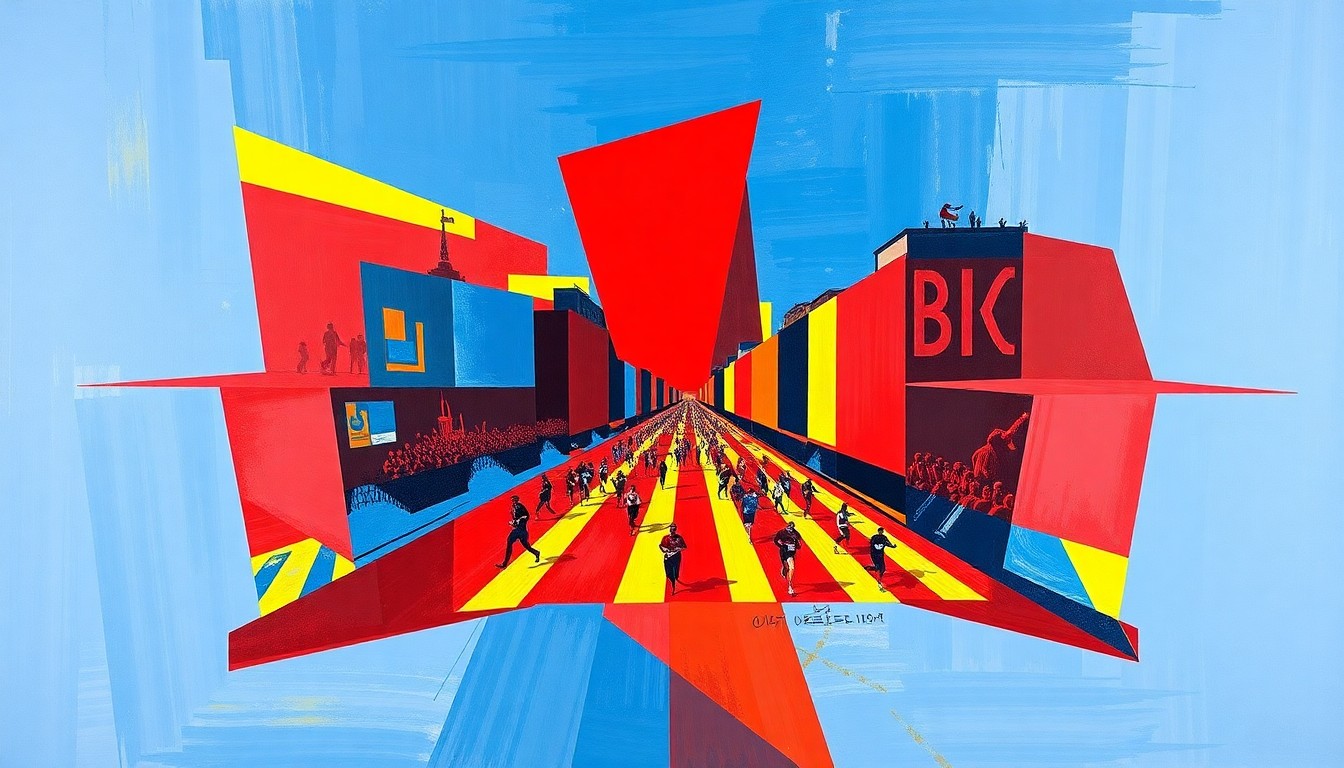 Bobbi Gibb's historic run at the 1966 Boston Marathon shattered gender barriers and paved the way for the growth of women's professional sports.Boston Today
In 1966, Bobbi Gibb defied the Boston Marathon's ban on women and became the first female to run the historic race. Now 60 years later, Gibb reflects on the courage and love that compelled her to break down gender barriers in sports and pave the way for women's professional athletics.
Why it matters
Gibb's act of defiance in 1966 challenged the widespread belief that women were not physically capable of running long distances. Her persistence helped push forward the movement for gender equality in sports and has inspired generations of women athletes.
The details
Gibb first fell in love with the Boston Marathon after watching the race in 1964. Despite facing discrimination that prevented women from pursuing careers in fields like medicine, Gibb was determined to run. She trained for two years before crashing the all-male race in 1966. Gibb's historic run has since been memorialized with a statue near the marathon's starting line.
- Gibb first watched the Boston Marathon in 1964.
- Gibb trained for two years before running the marathon in 1966.
- Gibb's statue was erected near the marathon's starting line in Hopkinton.
The players
Bobbi Gibb
The first woman to run the Boston Marathon, defying the race's ban on female participants in 1966.
Will Cloney
The Boston Marathon director who wrote Gibb a letter in 1966 stating that women were not physiologically able to run a 26.2-mile marathon.
Christina Koch
One of the Artemis II astronauts who recently flew around the far side of the moon, a historic milestone for women in space exploration.
What they’re saying
“People forget what it was like, especially for women, before 1966. I was born in the middle of World War II, and opportunities for women were almost non-existent.”
— Bobbi Gibb
“For some reason, I've always felt tuned into this sense of love in the universe. I've always felt this love. I felt the love in the sunshine, love in the trees — even sitting on the subway and [seeing] all the people sitting there and all their different lives and what they're dealing with, their feelings and stuff, I feel this sense of love.”
— Bobbi Gibb
“When I applied to medical school — and I was pre-med at the University of California — my grades were great, everything was great; I was really a top student. When I went for my interview, they told me, and I quote, 'You're too pretty to go to medical school. You will upset the boys in the lab. Sorry, we have to save the places for men who are actually going to practice medicine.'”
— Bobbi Gibb
What’s next
Gibb plans to attend this year's Boston Marathon to celebrate the 60th anniversary of her historic run.
The takeaway
Bobbi Gibb's courageous act of defiance in 1966 challenged deeply entrenched beliefs about women's physical capabilities and helped pave the way for the growth of women's professional sports. Her story serves as an inspiration for overcoming prejudice and pursuing one's passions, no matter the obstacles.
Boston top stories


Boston events
Apr. 14, 2026
The Red Pears & Together Pangea (18+)
Apr. 14, 2026
Disney's Beauty and the Beast (Touring)
Apr. 14, 2026
Boston Bruins vs. New Jersey Devils