- Today
- Holidays
- Birthdays
- Reminders
- Cities
- Atlanta
- Austin
- Baltimore
- Berwyn
- Beverly Hills
- Birmingham
- Boston
- Brooklyn
- Buffalo
- Charlotte
- Chicago
- Cincinnati
- Cleveland
- Columbus
- Dallas
- Denver
- Detroit
- Fort Worth
- Houston
- Indianapolis
- Knoxville
- Las Vegas
- Los Angeles
- Louisville
- Madison
- Memphis
- Miami
- Milwaukee
- Minneapolis
- Nashville
- New Orleans
- New York
- Omaha
- Orlando
- Philadelphia
- Phoenix
- Pittsburgh
- Portland
- Raleigh
- Richmond
- Rutherford
- Sacramento
- Salt Lake City
- San Antonio
- San Diego
- San Francisco
- San Jose
- Seattle
- Tampa
- Tucson
- Washington
The Scrutiny of Selfies: How Social Media Fuels Insecurity Obsession
Ordinary people, not just celebrities, are now the targets of intense body and appearance analysis online.
Published on Feb. 20, 2026
Got story updates? Submit your updates here. ›
A growing trend on social media involves people closely scrutinizing and making assumptions about others' insecurities based on their photos and selfies. This phenomenon, once reserved for celebrities, has now spread to everyday people, with users analyzing everything from camera angles to posture in an attempt to "decode" perceived flaws or anxieties. Experts say this behavior has been fueled by the rise of body language analysis, the proliferation of appearance-focused online communities, and the pressure to constantly "glow up" and present an idealized image.
Why it matters
This trend highlights the damaging impact of social media on mental health and self-esteem, as people feel increasingly compelled to present a perfect, insecurity-free image of themselves online. It also reflects a broader cultural shift towards treating everyone's personal lives and appearances as public fodder for scrutiny and critique.
The details
The article cites the example of singer Selena Gomez, whose fluctuating appearance has been the subject of intense online speculation and criticism. Critics have accused Gomez of undergoing cosmetic procedures, despite the fact that her fuller features may be a side effect of medication for her lupus. This type of appearance policing is no longer limited to celebrities, as ordinary social media users now find their photos and posts subjected to the same level of intense analysis and judgment.
- In the summer of 2022, the concept of 'reading' people's insecurities from their selfies gained significant momentum on social media.
- In September 2026, beauty influencer Mikayla Nogueira received over 15.7 million views on a TikTok video addressing criticism about her appearance.
The players
Selena Gomez
A singer and former child star who has faced intense online scrutiny over perceived changes in her appearance.
Brooke Erin Duffy
An associate professor in the Department of Communication at Cornell University who researches the impact of digital social media industries on gender inequality.
Andrea Giancontieri
A Gen X advocate for people with lipedema, a metabolic condition characterized by abnormal fat buildup, and an admin for the Facebook group Lipedema Besties.
Beth Thomas
A fellow Gen X member of the Lipedema Besties Facebook group who has urged members to be mindful of how their posts can affect others.
Emmeline Clein
The books editor at Cultured and the author of "Dead Weight: Essays On Hunger And Harm", who has commented on the pressure to "glow up" on social media.
What they’re saying
“We constantly have people asking how to get surgery paid for.”
— Andrea Giancontieri, Admin, Lipedema Besties Facebook group
“It's a very vulnerable space. We are all dealing with [the same condition] at our own level of consciousness, our own level of stages.”
— Beth Thomas, Member, Lipedema Besties Facebook group
“The notion that you can glow up implies a ladder you had to climb to get there, not to mention the possibility of falling off.”
— Emmeline Clein, Books editor, Cultured; author, "Dead Weight: Essays On Hunger And Harm"
What’s next
The article does not mention any clear next steps or future newsworthy moments related to the story.
The takeaway
This trend of scrutinizing and making assumptions about people's insecurities based on their online photos and posts reflects a broader cultural shift towards treating everyone's personal lives and appearances as public fodder for critique. It highlights the damaging impact of social media on mental health and self-esteem, as people feel increasingly compelled to present an idealized, insecurity-free image of themselves.
Boston top stories

Boston events
Feb. 21, 2026
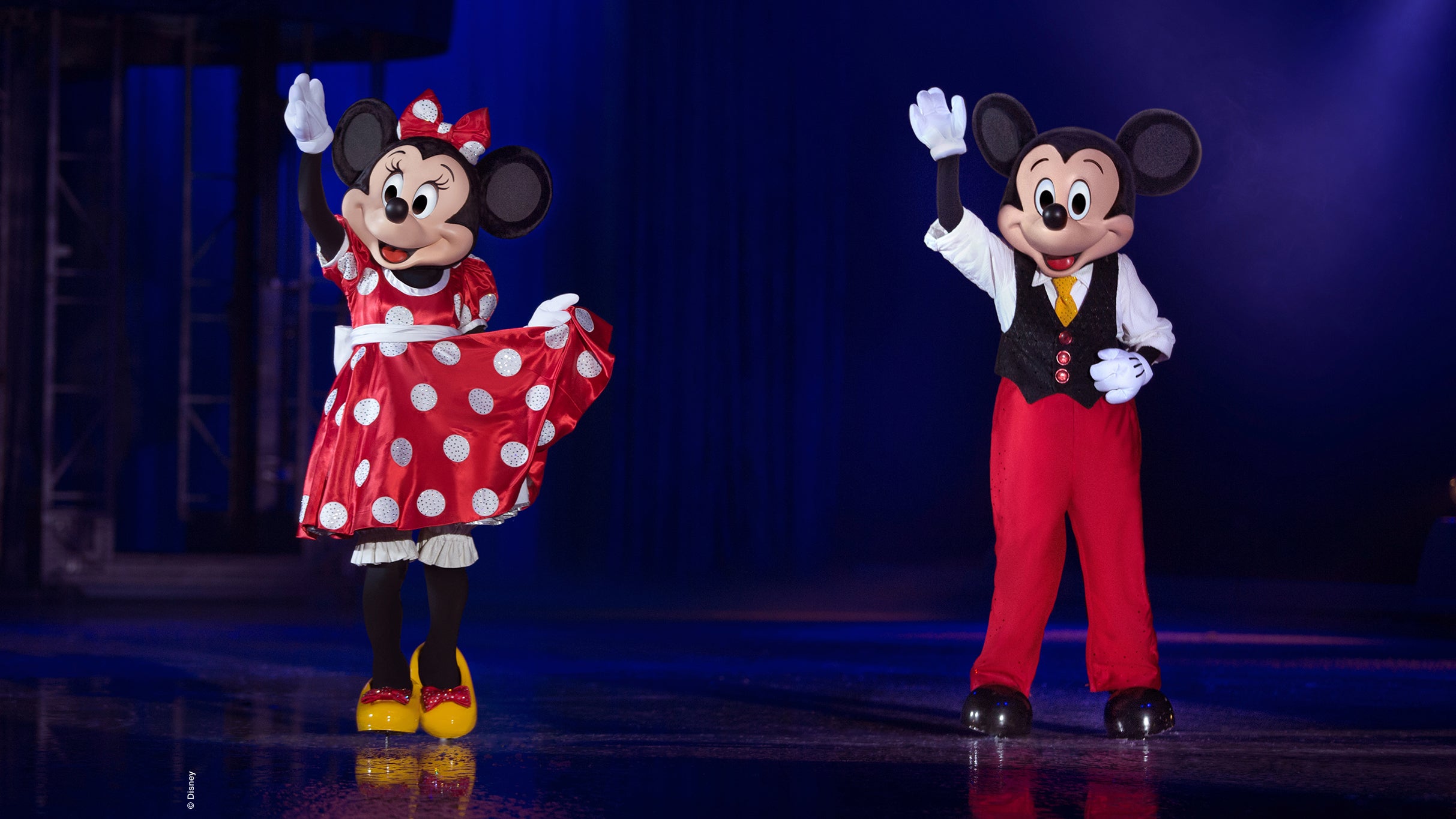
Disney On Ice presents Jump In!
Feb. 21, 2026
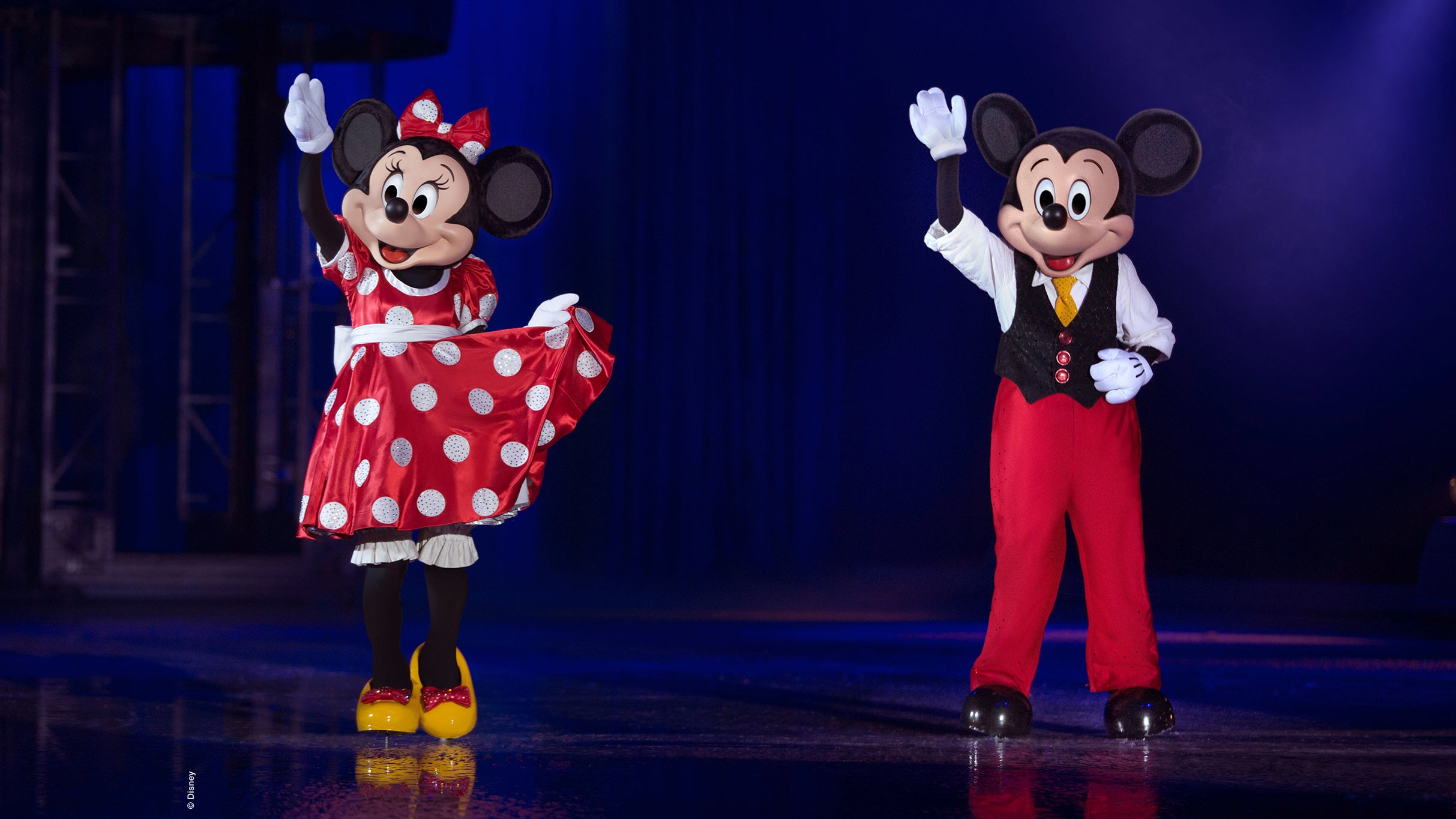
Disney On Ice presents Jump In!