- Today
- Holidays
- Birthdays
- Reminders
- Cities
- Atlanta
- Austin
- Baltimore
- Berwyn
- Beverly Hills
- Birmingham
- Boston
- Brooklyn
- Buffalo
- Charlotte
- Chicago
- Cincinnati
- Cleveland
- Columbus
- Dallas
- Denver
- Detroit
- Fort Worth
- Houston
- Indianapolis
- Knoxville
- Las Vegas
- Los Angeles
- Louisville
- Madison
- Memphis
- Miami
- Milwaukee
- Minneapolis
- Nashville
- New Orleans
- New York
- Omaha
- Orlando
- Philadelphia
- Phoenix
- Pittsburgh
- Portland
- Raleigh
- Richmond
- Rutherford
- Sacramento
- Salt Lake City
- San Antonio
- San Diego
- San Francisco
- San Jose
- Seattle
- Tampa
- Tucson
- Washington
New Orleans Artist Uses AR to Reveal Untold White House History
Marcus Brown's 'White House, Black Hands' project memorializes the enslaved craftsmen who built the presidential residence.
Apr. 17, 2026 at 2:53am
Got story updates? Submit your updates here. ›
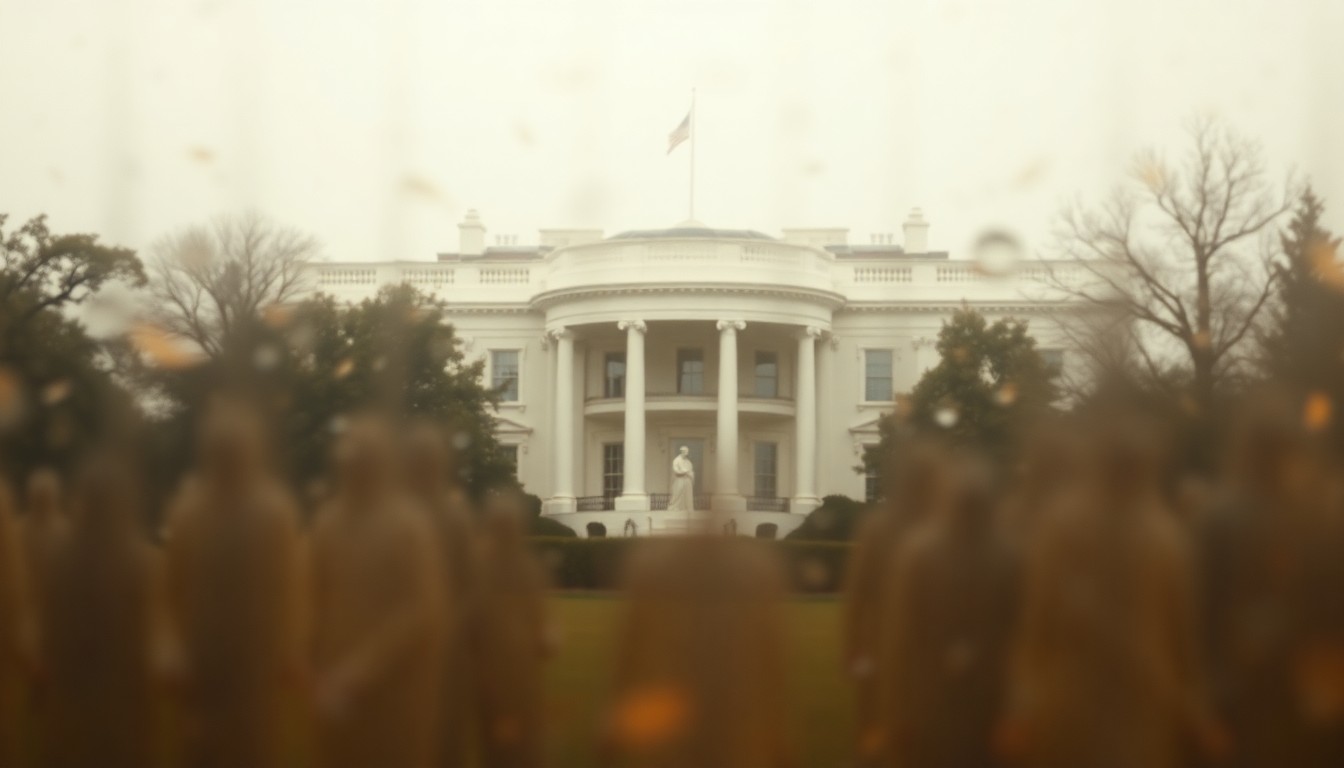 An augmented reality project reveals the untold stories of the enslaved workers who constructed the iconic White House.New Orleans Today
New Orleans-based artist Marcus Brown has created an augmented reality project called 'White House, Black Hands' that reveals the untold story of the 200 enslaved craftsmen who built the White House. Using AR technology, Brown's work allows people to 'see' these historical figures when standing in front of the presidential residence.
Why it matters
Brown's AR projects aim to give respect and recognition to people and events that have been removed from traditional history books, shedding light on the often overlooked contributions of enslaved individuals who were integral to the construction of important American landmarks and institutions.
The details
Through his 'White House, Black Hands' project, Brown has carefully researched and created AR depictions of the enslaved craftsmen who built the White House, allowing users to view these historical figures overlaid on the real-world location. Brown has also used AR to memorialize slave markets that existed in New Orleans and New York City, as well as a slave ship that docked along the Mississippi River.
- Brown launched the 'White House, Black Hands' project in 2026.
The players
Marcus Brown
A New Orleans-based artist who creates augmented reality projects to memorialize overlooked historical figures and events, including the enslaved craftsmen who built the White House.
White House
The official residence and workplace of the President of the United States, built with the labor of 200 enslaved craftsmen.
What they’re saying
“I think it's important to give the people (who came) before us, who were removed from history books, some respect.”
— Marcus Brown, Artist
What’s next
Brown plans to continue expanding his 'Slavery Trails' augmented reality projects to other historic sites across the United States.
The takeaway
Marcus Brown's augmented reality projects shine a light on the often overlooked contributions of enslaved individuals, using innovative technology to memorialize their roles in building important American landmarks and institutions.
New Orleans top stories


New Orleans events
Apr. 17, 2026
Soul Sister Presents Off The Wall: The All Michael Party
Apr. 17, 2026
Marlon Wayans
Apr. 17, 2026
Six (Touring)