- Today
- Holidays
- Birthdays
- Reminders
- Cities
- Atlanta
- Austin
- Baltimore
- Berwyn
- Beverly Hills
- Birmingham
- Boston
- Brooklyn
- Buffalo
- Charlotte
- Chicago
- Cincinnati
- Cleveland
- Columbus
- Dallas
- Denver
- Detroit
- Fort Worth
- Houston
- Indianapolis
- Knoxville
- Las Vegas
- Los Angeles
- Louisville
- Madison
- Memphis
- Miami
- Milwaukee
- Minneapolis
- Nashville
- New Orleans
- New York
- Omaha
- Orlando
- Philadelphia
- Phoenix
- Pittsburgh
- Portland
- Raleigh
- Richmond
- Rutherford
- Sacramento
- Salt Lake City
- San Antonio
- San Diego
- San Francisco
- San Jose
- Seattle
- Tampa
- Tucson
- Washington
Continuous Adductor Canal Block Improves Recovery After Total Knee Replacement
Study finds continuous nerve block leads to better pain control and less opioid use compared to single-shot catheters.
Apr. 13, 2026 at 7:09pm
Got story updates? Submit your updates here. ›
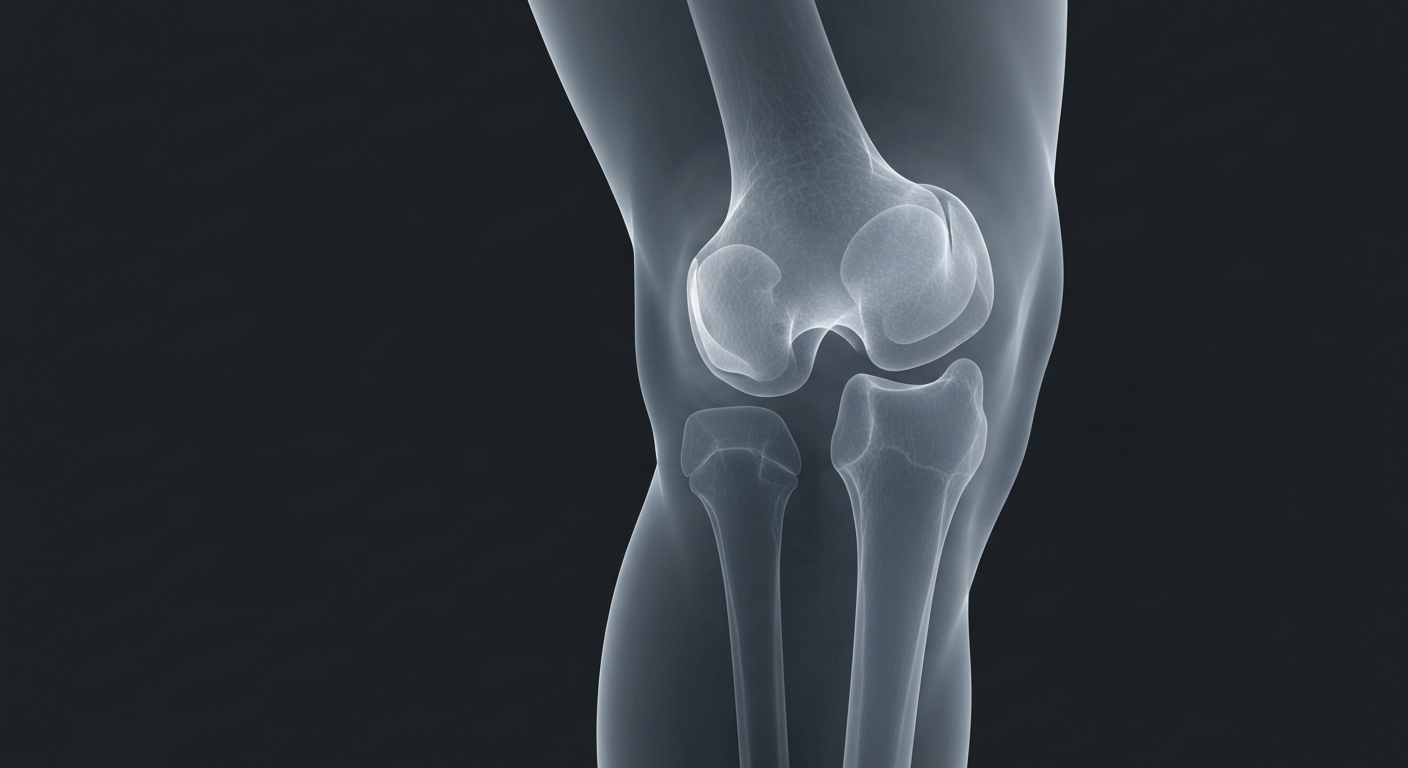 A new study finds that continuous nerve blocks can improve recovery and reduce opioid use after total knee replacement surgery.New Orleans Today
A new study presented at the American Academy of Orthopaedic Surgeons Annual Meeting found that using a continuous adductor canal block after total knee arthroplasty (TKA) can improve recovery and pain scores, and decrease opioid use in the first 72 hours after surgery, compared to using single-shot catheters. The researchers randomly assigned 60 TKA patients to receive either a continuous infusion of ropivacaine or saline, and found significant improvements in quality of recovery, pain scores, and opioid consumption in the continuous block group.
Why it matters
These findings could help inform more standardized, multimodal approaches to pain management for joint replacement patients. While continuous nerve blocks require more resources, they appear to provide meaningful benefits in the critical early recovery period after TKA surgery.
The details
The study, led by Dr. Jesse I. Wolfstadt from Mount Sinai Hospital and the University of Toronto, randomly assigned 60 TKA patients scheduled for same-day or next-day discharge to receive either a continuous infusion of 0.2% ropivacaine or 0.9% saline through an indwelling adductor canal block catheter. The primary outcome was Quality of Recovery-15 score at 48 hours after surgery, while secondary outcomes included opioid consumption, pain scores, length of stay, and complications.
- The study results were presented at the American Academy of Orthopaedic Surgeons Annual Meeting in New Orleans on April 13, 2026.
- The study was conducted on patients undergoing TKA surgery.
The players
Jesse I. Wolfstadt, MD
Granovsky Gluskin chair in orthopedic reconstruction at Mount Sinai Hospital and the University of Toronto, and lead author of the study.
What they’re saying
“[These results] will help inform more standardized multimodal pathways for pain control for patients undergoing joint replacement.”
— Jesse I. Wolfstadt, MD, Granovsky Gluskin chair in orthopedic reconstruction
What’s next
The researchers noted that while continuous nerve blocks require more resources, comparing them to other pain management options like prolonged single-shot blocks may be beneficial to study further.
The takeaway
This study provides evidence that using a continuous adductor canal block after total knee replacement can lead to better pain control, reduced opioid use, and improved overall recovery in the critical first few days after surgery. These findings could help drive more widespread adoption of this multimodal pain management approach for joint replacement patients.
New Orleans top stories



New Orleans events

Apr. 14, 2026
Stanton Moore Trio
Apr. 14, 2026
Six (Touring)
Apr. 14, 2026
Pump Action & The Retrograde