- Today
- Holidays
- Birthdays
- Reminders
- Cities
- Atlanta
- Austin
- Baltimore
- Berwyn
- Beverly Hills
- Birmingham
- Boston
- Brooklyn
- Buffalo
- Charlotte
- Chicago
- Cincinnati
- Cleveland
- Columbus
- Dallas
- Denver
- Detroit
- Fort Worth
- Houston
- Indianapolis
- Knoxville
- Las Vegas
- Los Angeles
- Louisville
- Madison
- Memphis
- Miami
- Milwaukee
- Minneapolis
- Nashville
- New Orleans
- New York
- Omaha
- Orlando
- Philadelphia
- Phoenix
- Pittsburgh
- Portland
- Raleigh
- Richmond
- Rutherford
- Sacramento
- Salt Lake City
- San Antonio
- San Diego
- San Francisco
- San Jose
- Seattle
- Tampa
- Tucson
- Washington
Flow and Velocity Data Inform Coastal Engineering Design and Environmental Planning
Measurements of water movement are essential for infrastructure, risk assessment, and ecosystem management in coastal regions.
Apr. 6, 2026 at 11:23pm
Got story updates? Submit your updates here. ›
 Visualizing the complex flow and velocity patterns that shape coastal environments and inform critical engineering decisions.Baton Rouge Today
Flow and velocity data provide critical insights into how water moves through coastal and estuarine environments, supporting the design of infrastructure, guiding environmental assessments, and contributing to long-term planning efforts in regions where water dynamics influence both natural systems and built environments. These measurements help engineers understand how water interacts with shorelines, structures, and sediment, allowing them to predict erosion, design resilient infrastructure, assess flood risk, and preserve ecological balance.
Why it matters
Accurate flow and velocity data are essential for coastal engineering and environmental planning. This information helps predict erosion, design infrastructure that can withstand water forces, assess flood risk, and maintain the health of coastal ecosystems. As climate change introduces new challenges, continuous monitoring of hydrodynamic conditions is crucial for adapting planning strategies.
The details
Flow refers to the movement of water through a given area, while velocity describes the speed and direction of that movement. Together, these measurements help engineers understand how water interacts with shorelines, structures, and sediment. Accurate flow and velocity data are essential for predicting erosion and sediment transport, designing coastal infrastructure like levees and seawalls, assessing flood risk, and preserving the ecological balance of coastal ecosystems. Data collection methods have evolved to provide more detailed and accurate measurements, using instruments like acoustic Doppler current profilers (ADCPs), current meters, and remote sensing technologies.
- Flow and velocity data have been fundamental components in coastal engineering for decades.
- The integration of these data into coastal engineering has become increasingly important as climate change introduces new challenges.
The players
ENCOS Environmental & Coastal Services
A company headquartered in Baton Rouge, Louisiana that provides expertise in coastal engineering and environmental services.
Joel Chaky
The Vice President of ENCOS Environmental & Coastal Services, who emphasizes the critical role of flow and velocity data in understanding coastal dynamics and supporting engineering decisions.
What they’re saying
“Flow and velocity data provide a detailed picture of how water behaves in coastal environments.”
— Joel Chaky, Vice President, ENCOS Environmental & Coastal Services
What’s next
As coastal regions continue to face environmental and structural challenges, the importance of accurate hydrodynamic data remains central. Continuous monitoring of flow and velocity conditions will be crucial for adapting planning strategies to address the impacts of climate change.
The takeaway
Flow and velocity data are fundamental to coastal engineering, providing the insights needed to design resilient infrastructure, assess environmental impacts, and manage coastal systems in the face of evolving challenges. By relying on measured data rather than assumptions, engineers can develop solutions that are better aligned with the realities of coastal environments.
Baton Rouge top stories

Baton Rouge events


Apr. 9, 2026
Corey Kent w/ Cam Allen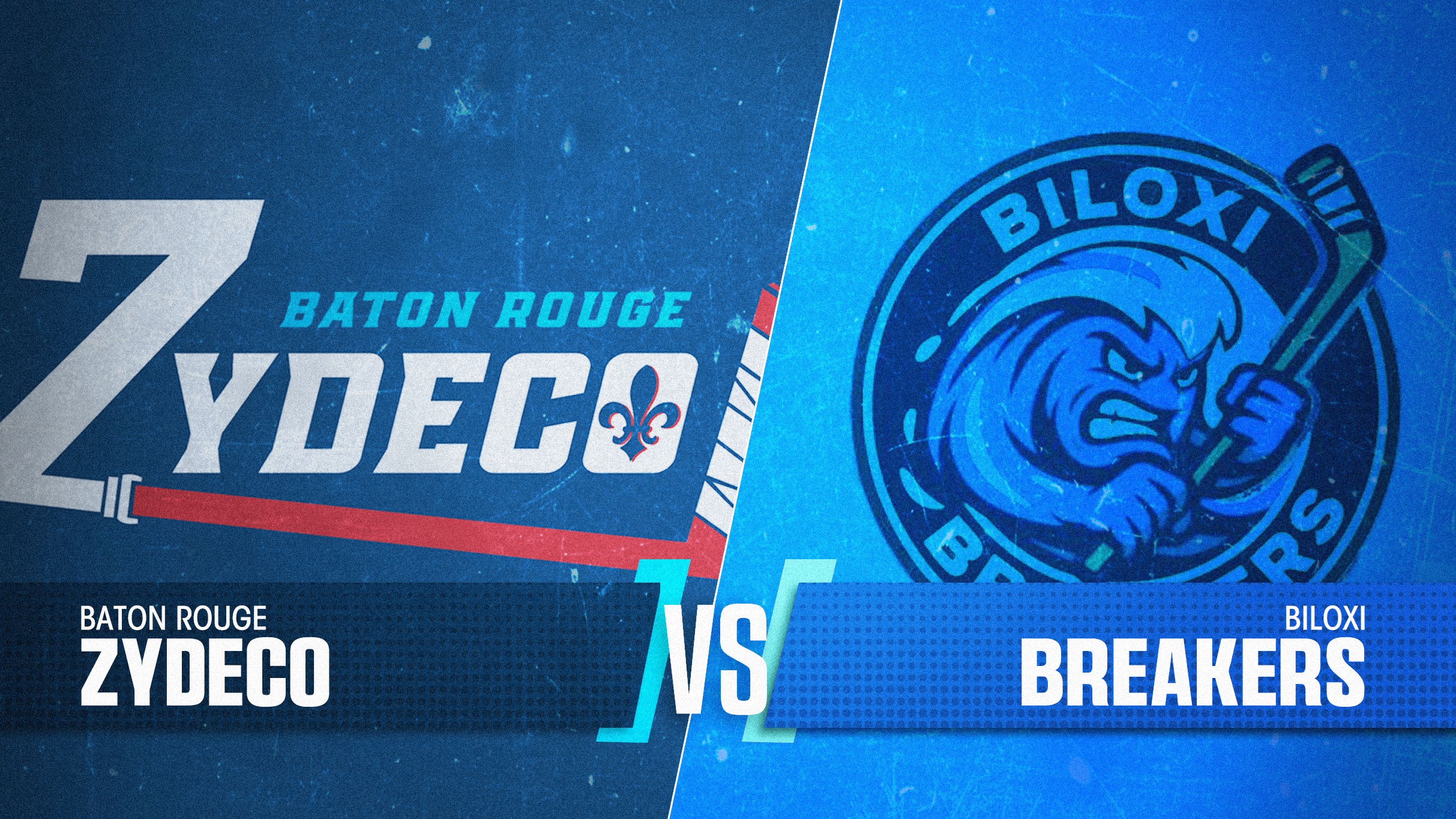
Apr. 9, 2026
Baton Rouge Zydeco v Biloxi Breakers