- Today
- Holidays
- Birthdays
- Reminders
- Cities
- Atlanta
- Austin
- Baltimore
- Berwyn
- Beverly Hills
- Birmingham
- Boston
- Brooklyn
- Buffalo
- Charlotte
- Chicago
- Cincinnati
- Cleveland
- Columbus
- Dallas
- Denver
- Detroit
- Fort Worth
- Houston
- Indianapolis
- Knoxville
- Las Vegas
- Los Angeles
- Louisville
- Madison
- Memphis
- Miami
- Milwaukee
- Minneapolis
- Nashville
- New Orleans
- New York
- Omaha
- Orlando
- Philadelphia
- Phoenix
- Pittsburgh
- Portland
- Raleigh
- Richmond
- Rutherford
- Sacramento
- Salt Lake City
- San Antonio
- San Diego
- San Francisco
- San Jose
- Seattle
- Tampa
- Tucson
- Washington
High-Resolution Data Helps Predict Coastal Change
Detailed environmental monitoring allows early identification of risks and opportunities for coastal communities
Feb. 6, 2026 at 5:07pm
Got story updates? Submit your updates here. ›
Coastal environments are highly dynamic, with shorelines, wetlands, and water systems constantly shifting due to natural forces. Predicting these changes has become increasingly important for infrastructure planning, environmental protection, and risk management. Advances in data collection, including LiDAR, satellite imagery, and in-situ sensors, now provide high-resolution datasets that capture fine-scale variations in elevation, vegetation, hydrology, and sediment movement. When analyzed collectively, these datasets reveal early indicators of erosion, subsidence, habitat loss, and other transformations, allowing proactive response before visible impacts occur.
Why it matters
High-resolution environmental data is transforming coastal analysis from reactive observation to proactive prediction. By identifying subtle signals across complex systems, planners and stakeholders can anticipate change and respond strategically, supporting resilience in both natural and built environments. This shift enables informed decision-making that accounts for future coastal conditions, rather than relying solely on historical trends.
The details
Technologies like LiDAR, satellite imagery, and in-situ sensors provide continuous streams of high-resolution data on elevation, vegetation, hydrology, and sediment dynamics. Analyzing these datasets collectively reveals early indicators of coastal change, such as erosion, subsidence, habitat loss, and sediment redistribution. This information supports predictive modeling that integrates multiple environmental factors to project future conditions under different scenarios, including storm frequency, infrastructure development, and restoration efforts.
- High-resolution environmental data has become essential to modern coastal analysis in recent years.
- Advances in data collection technologies have significantly improved the ability to detect early indicators of coastal transformation over the past decade.
The players
ENCOS Environmental & Coastal Services
A company headquartered in Baton Rouge, Louisiana that provides expertise in high-resolution environmental data analysis for coastal management.
Joel Chaky
The Vice President of ENCOS Environmental & Coastal Services, who emphasizes that detailed environmental data allows coastal change to be identified early, when response options are broader and more effective.
What they’re saying
“Detailed environmental data allows coastal change to be identified early, when response options are broader and more effective.”
— Joel Chaky, Vice President, ENCOS Environmental & Coastal Services
What’s next
As climate variability continues to influence coastal processes, the need for precise, high-resolution environmental data will only grow. Regulatory agencies, infrastructure planners, and restoration practitioners will increasingly rely on these predictive tools to guide decision-making and ensure long-term resilience in coastal regions.
The takeaway
High-resolution environmental monitoring is transforming coastal management from reactive to proactive, enabling stakeholders to anticipate change and respond strategically before visible impacts occur. By integrating detailed data on elevation, hydrology, vegetation, and sediment dynamics, planners can better understand and forecast how coastal systems will evolve, supporting informed decisions that account for future conditions rather than just historical trends.
Baton Rouge top stories



Baton Rouge events

Apr. 9, 2026
Corey Kent w/ Cam Allen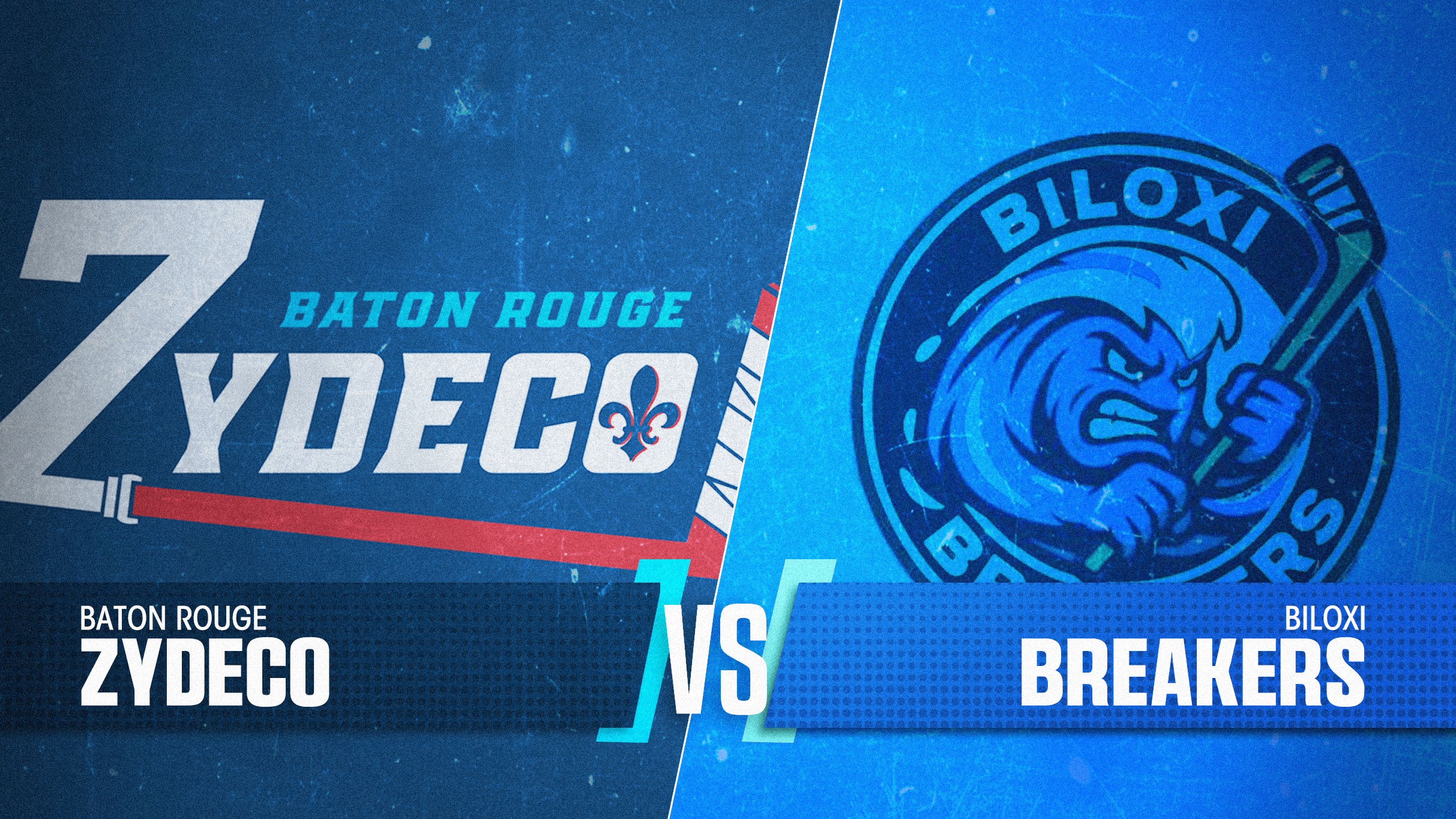
Apr. 9, 2026
Baton Rouge Zydeco v Biloxi Breakers
Apr. 9, 2026
Deicide with Rotting Christ and Immolation