- Today
- Holidays
- Birthdays
- Reminders
- Cities
- Atlanta
- Austin
- Baltimore
- Berwyn
- Beverly Hills
- Birmingham
- Boston
- Brooklyn
- Buffalo
- Charlotte
- Chicago
- Cincinnati
- Cleveland
- Columbus
- Dallas
- Denver
- Detroit
- Fort Worth
- Houston
- Indianapolis
- Knoxville
- Las Vegas
- Los Angeles
- Louisville
- Madison
- Memphis
- Miami
- Milwaukee
- Minneapolis
- Nashville
- New Orleans
- New York
- Omaha
- Orlando
- Philadelphia
- Phoenix
- Pittsburgh
- Portland
- Raleigh
- Richmond
- Rutherford
- Sacramento
- Salt Lake City
- San Antonio
- San Diego
- San Francisco
- San Jose
- Seattle
- Tampa
- Tucson
- Washington
Kentucky Derby Survivor Fights Human Trafficking at Churchill Downs
A former victim returns to the racetrack to help others escape exploitation during the high-profile event.
Apr. 16, 2026 at 8:50pm
Got story updates? Submit your updates here. ›
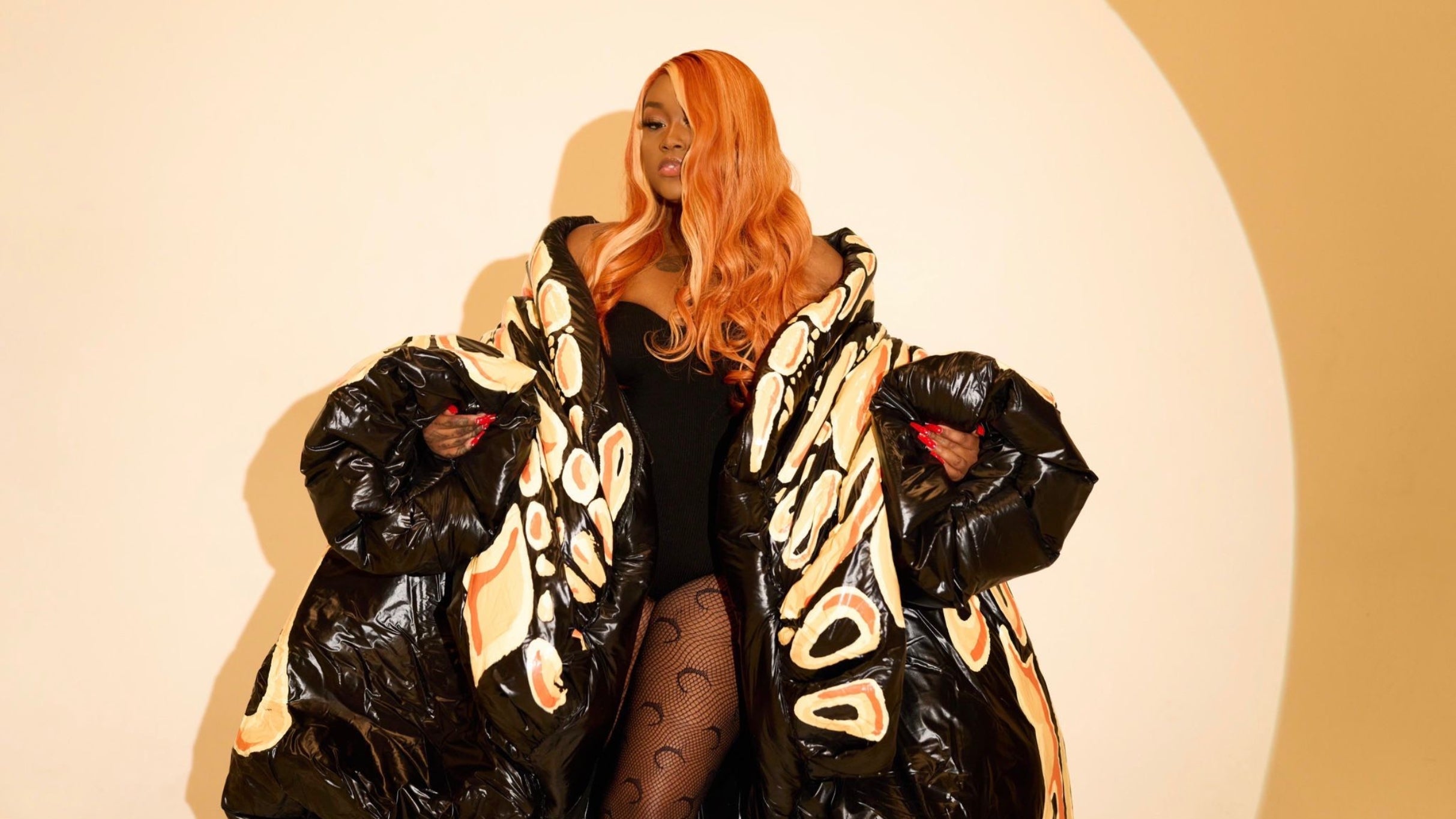
 A survivor's call to action: Dickerson's efforts to post trafficking hotline numbers around Louisville aim to reach those in need of escape and support.Louisville Today
Summer Dickerson was trafficked at the Kentucky Derby when she was 20 years old. Now 40, she is returning to Churchill Downs as a survivor and advocate, posting hotline numbers around the city in hopes of reaching people who need a way out of human trafficking situations. The Kentucky Derby brings large crowds to Louisville, which advocates say increases the risk of human trafficking during the event.
Why it matters
Human trafficking is a serious issue that often increases during high-profile events like the Kentucky Derby, when large crowds and an influx of visitors create conditions that traffickers can exploit. Dickerson's story highlights the trauma and long-term impacts of being trafficked, as well as the courage it takes for survivors to return and help others escape similar fates.
The details
Dickerson was trafficked for about 10 years, with her traffickers abusing and threatening her. She finally escaped at age 30, and this year she is returning to Churchill Downs not as a victim, but as a survivor and advocate. Dickerson is posting hotline numbers around Louisville in the days leading up to the Derby, hoping to reach people who may be in trafficking situations and need a way out. According to the Kentucky Statewide Human Trafficking Task Force, warning signs of human trafficking include victims being coached on what to say to law enforcement, someone else holding their identification or travel documents, and signs of fear, disorientation, or lack of personal belongings.
- Dickerson was trafficked at the Kentucky Derby when she was 20 years old, about 20 years ago.
- Dickerson escaped her traffickers at age 30, about 10 years ago.
- This year, Dickerson is returning to Churchill Downs as a survivor and advocate during the 2026 Kentucky Derby.
The players
Summer Dickerson
A 40-year-old woman who was trafficked at the Kentucky Derby when she was 20 years old, and is now returning to the racetrack as a survivor and advocate to help others escape human trafficking situations.
Andy Beshear
The governor of Kentucky who recently announced the formation of the Human Trafficking Awareness Coalition to focus on preventing human trafficking and helping survivors.
Britainy Beshear
The first lady of Kentucky, who has made the fight against human trafficking a top priority and will serve on the newly formed Human Trafficking Awareness Coalition.
What they’re saying
“When we got into that limo, for this particular client, it wasn't about sex. It was about power and control.”
— Summer Dickerson, Human Trafficking Survivor
“Death. I've seen a lot of my friends die. A lot of my sisters and brothers did not make it.”
— Summer Dickerson, Human Trafficking Survivor
“There are people that are going to be bought and sold all Derby weekend.”
— Summer Dickerson, Human Trafficking Survivor
“The worst-case scenario is you could be wrong—the best-case scenario is you can save a life.”
— Summer Dickerson, Human Trafficking Survivor
What’s next
Dickerson encourages anyone who sees something suspicious during the Kentucky Derby to call law enforcement immediately, even if they're not sure. The National Human Trafficking Hotline is available 24/7 at (888) 373-7888.
The takeaway
Dickerson's story highlights the trauma and long-lasting impacts of human trafficking, as well as the courage it takes for survivors to return and help others escape similar fates. Her efforts to raise awareness and provide resources during the Kentucky Derby demonstrate the importance of community involvement in combating this pervasive issue.