- Today
- Holidays
- Birthdays
- Reminders
- Cities
- Atlanta
- Austin
- Baltimore
- Berwyn
- Beverly Hills
- Birmingham
- Boston
- Brooklyn
- Buffalo
- Charlotte
- Chicago
- Cincinnati
- Cleveland
- Columbus
- Dallas
- Denver
- Detroit
- Fort Worth
- Houston
- Indianapolis
- Knoxville
- Las Vegas
- Los Angeles
- Louisville
- Madison
- Memphis
- Miami
- Milwaukee
- Minneapolis
- Nashville
- New Orleans
- New York
- Omaha
- Orlando
- Philadelphia
- Phoenix
- Pittsburgh
- Portland
- Raleigh
- Richmond
- Rutherford
- Sacramento
- Salt Lake City
- San Antonio
- San Diego
- San Francisco
- San Jose
- Seattle
- Tampa
- Tucson
- Washington
US Warns Ships to Turn Around or Face Boarding at Iranian Port Blockade
Defense officials outline enforcement procedures as shipping disruptions continue in the Persian Gulf
Apr. 16, 2026 at 6:06pm
Got story updates? Submit your updates here. ›
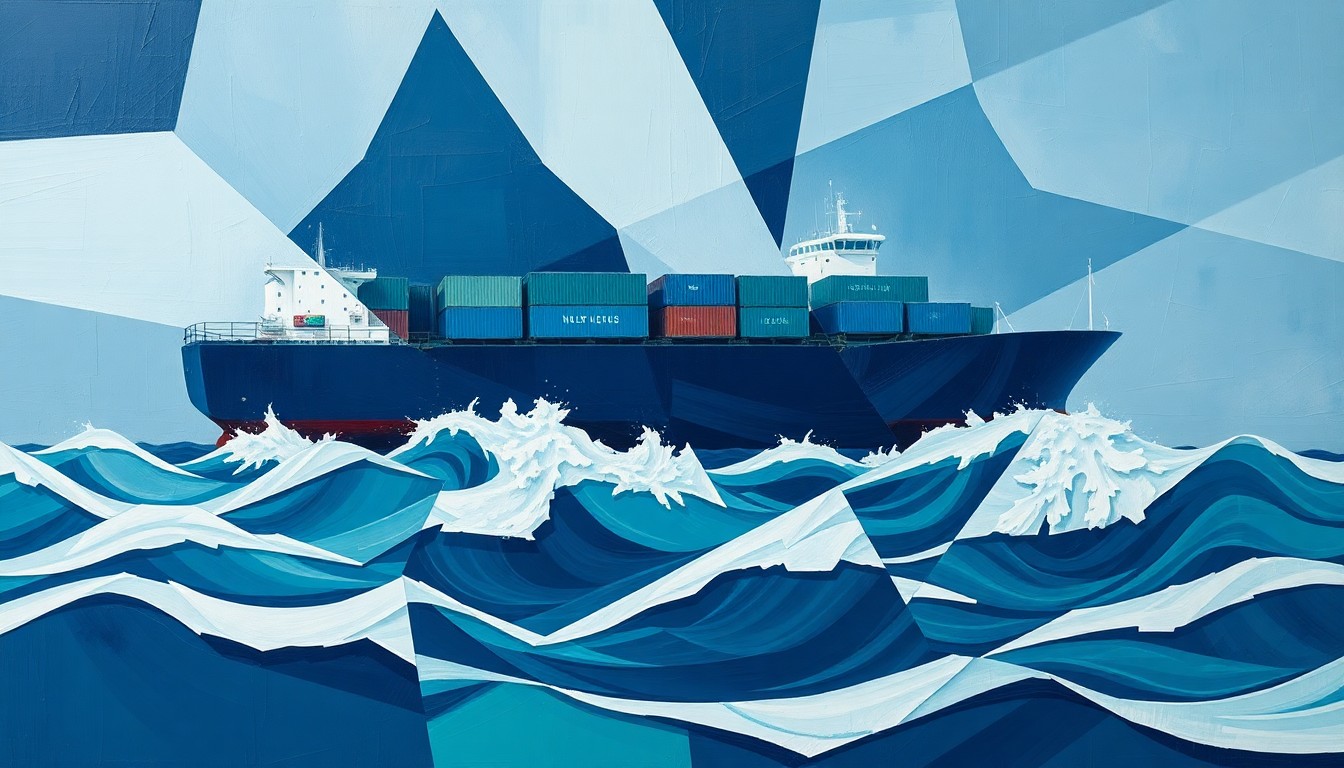 As the US naval blockade of Iranian ports intensifies, the ripple effects on global shipping and energy flows remain a major concern.Washington Today
Senior U.S. defense officials have described how American naval forces are enforcing a blockade of Iranian ports, including issuing direct warnings to ships attempting to enter or exit the restricted waters. The blockade is one of Washington's key tools in the ongoing conflict with Iran, which has already caused the largest-ever disruption of global oil and gas supplies.
Why it matters
The naval blockade of Iranian ports remains a critical element of U.S. strategy in the conflict, as it disrupts Iran's ability to export oil and other goods. However, the blockade is also causing major economic ripples, with hundreds of ships and thousands of seafarers stranded in the Persian Gulf. The enforcement procedures outlined by U.S. officials underscore that the blockade is an active, physical operation, not just a symbolic measure, which will influence decisions by commercial shippers and their insurers.
The details
According to the Pentagon briefing, U.S. warships are repeatedly instructing vessels approaching Iranian ports to 'turn around or prepare to be boarded.' A junior officer on the bridge of a U.S. destroyer transmits a standardized radio message warning ships not to attempt to breach the blockade, and that vessels will be boarded and seized if they do not comply. The officials emphasized that this warning is reinforced by the physical presence of American naval forces maneuvering nearby, creating a 'finely tuned machine' of enforcement. The officials stated that this warning-and-turnaround sequence has been executed 13 times since the blockade began on Monday, with ships choosing to reverse course.
- The naval blockade of Iranian ports began on Monday, April 14, 2026.
- The Pentagon briefing outlining the enforcement procedures took place on Thursday, April 16, 2026.
The players
Pete Hegseth
U.S. Defense Secretary.
Dan Caine
Chairman of the U.S. Joint Chiefs of Staff.
Brad Cooper
Commander of U.S. Central Command.
What they’re saying
“Do not attempt to breach the blockade. Vessels will be boarded for interdiction and seizure, transiting to or from Iranian ports. Turn around or prepare to be boarded. If you do not comply with this blockade, we will use force.”
— Junior officer, On the bridge of a U.S. destroyer
“Literally see, sense and feel the pressure around them”
— Dan Caine, Chairman of the U.S. Joint Chiefs of Staff
What’s next
With the current ceasefire scheduled to end next week, the direction of the conflict - and the rules governing shipping near Iran - will hinge on whether talks yield an extension or if hostilities resume.
The takeaway
The naval blockade of Iranian ports remains a key tool in the ongoing U.S.-Iran conflict, but its enforcement is causing major disruptions to global shipping and energy flows. The active, physical nature of the blockade, as described by U.S. officials, underscores the high stakes for commercial vessels attempting to enter or exit Iranian waters.