- Today
- Holidays
- Birthdays
- Reminders
- Cities
- Atlanta
- Austin
- Baltimore
- Berwyn
- Beverly Hills
- Birmingham
- Boston
- Brooklyn
- Buffalo
- Charlotte
- Chicago
- Cincinnati
- Cleveland
- Columbus
- Dallas
- Denver
- Detroit
- Fort Worth
- Houston
- Indianapolis
- Knoxville
- Las Vegas
- Los Angeles
- Louisville
- Madison
- Memphis
- Miami
- Milwaukee
- Minneapolis
- Nashville
- New Orleans
- New York
- Omaha
- Orlando
- Philadelphia
- Phoenix
- Pittsburgh
- Portland
- Raleigh
- Richmond
- Rutherford
- Sacramento
- Salt Lake City
- San Antonio
- San Diego
- San Francisco
- San Jose
- Seattle
- Tampa
- Tucson
- Washington
Chronic Pain Doubles Cigarette Smoking Risk
New research shows chronic pain is tied to higher rates of smoking and vaping, creating a vicious cycle.
Apr. 14, 2026 at 3:50am
Got story updates? Submit your updates here. ›
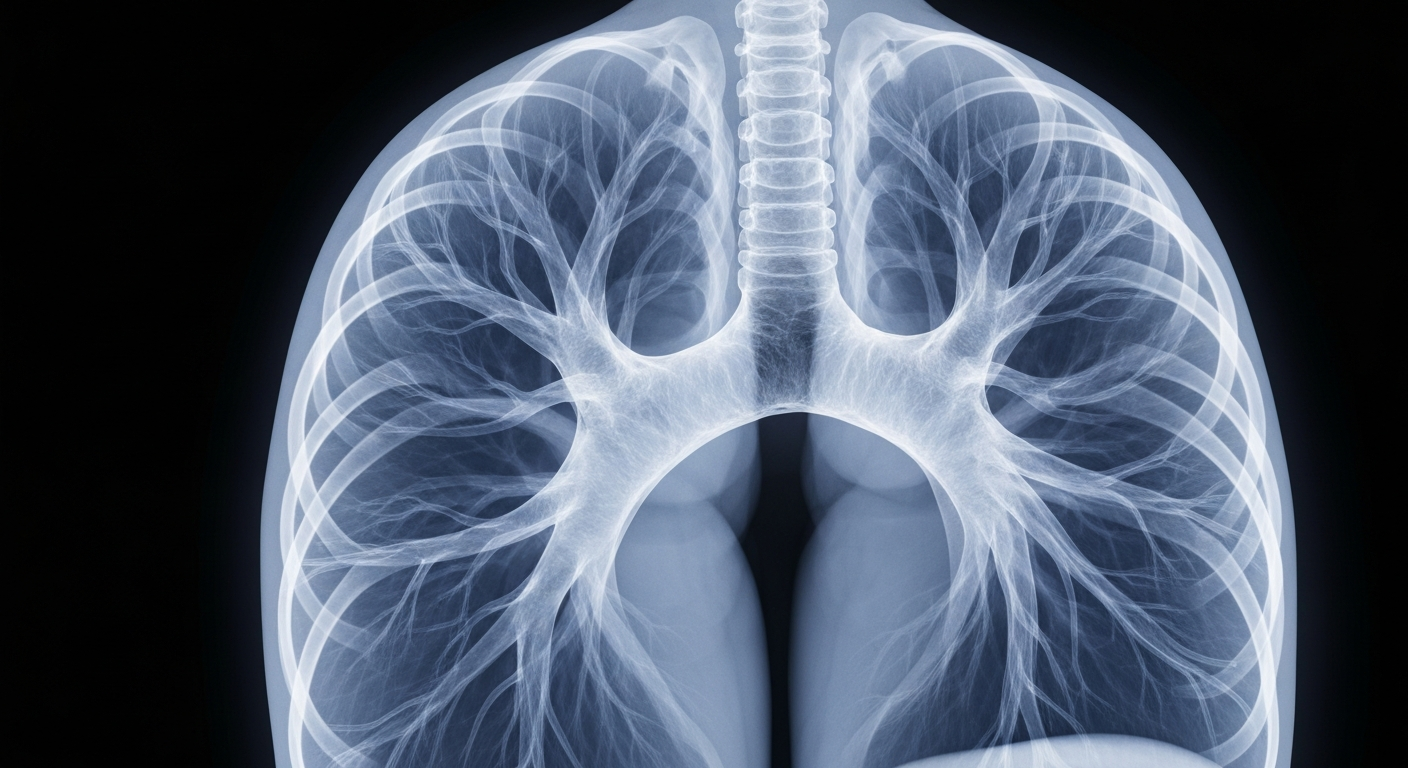 An X-ray view of the lungs reveals the damaging effects of chronic pain and smoking, underscoring the need for integrated treatment approaches.Lawrence Today
New research from the University of Kansas found that people who experience chronic pain tend to consume cigarettes and e-cigarettes at higher rates than others. The study, which analyzed data from the National Health Interview Survey from 2014-2023, highlights the complex relationship between chronic pain, smoking, and addiction.
Why it matters
The findings underscore the need for integrated treatment approaches that address both chronic pain and smoking cessation, as the two issues are deeply intertwined. Chronic pain can drive people to smoke as a coping mechanism, while smoking can actually exacerbate pain in the long run, creating a vicious cycle.
The details
The study, published in the American Journal of Preventive Medicine, analyzed responses from more than 195,600 Americans surveyed over 10 years. The key finding was that chronic pain is tied to smoking and vaping at higher rates. Researchers found that people with chronic pain are about twice as likely to smoke cigarettes and use other tobacco products, including e-cigarettes, compared to those without chronic pain. The data also revealed that more frequent or disabling pain was linked to a higher likelihood of tobacco smoking.
- The study analyzed data from the National Health Interview Survey from 2014-2023.
- The findings were published in the American Journal of Preventive Medicine in 2026.
The players
Jessica Powers
Assistant professor of psychology at the University of Kansas and assistant scientist with the KU Life Span Institute's Cofrin Logan Center for Addition Research & Treatment.
Julianna Lazzari
Researcher at the Duke University School of Medicine.
Dana Rubenstein
Researcher at the Duke University School of Medicine.
F. Joseph McClernon
Researcher at the Duke University School of Medicine in Durham, North Carolina.
Maggie Sweitzer
Researcher at the Duke University School of Medicine in Durham, North Carolina.
What they’re saying
“People get caught in this really vicious cycle where pain is driving smoking, smoking makes the pain worse, which makes it really hard to quit.”
— Jessica Powers, Assistant professor of psychology at the University of Kansas
“Smoking tends to make everything worse. We see impacts on mental health. As a pain psychologist, when I work directly with patients, we talk about smoking as a way to cope with the lower mood that comes with living with chronic pain, not being able to get out of the house or do things that are important to them. That coping strategy tends to make everything worse. We talk about it as a cycle involving pain, addiction, mood and functioning.”
— Jessica Powers, Assistant professor of psychology at the University of Kansas
What’s next
Researchers plan to develop smoking cessation interventions that incorporate pain management for people with chronic pain, combining effective treatments for both issues.
The takeaway
This research highlights the need for integrated treatment approaches that address the complex relationship between chronic pain and tobacco use, in order to help people break the vicious cycle and improve their overall health and well-being.
Lawrence top stories


Lawrence events

Apr. 16, 2026
Extreme Dwarfanator Wrestling