- Today
- Holidays
- Birthdays
- Reminders
- Cities
- Atlanta
- Austin
- Baltimore
- Berwyn
- Beverly Hills
- Birmingham
- Boston
- Brooklyn
- Buffalo
- Charlotte
- Chicago
- Cincinnati
- Cleveland
- Columbus
- Dallas
- Denver
- Detroit
- Fort Worth
- Houston
- Indianapolis
- Knoxville
- Las Vegas
- Los Angeles
- Louisville
- Madison
- Memphis
- Miami
- Milwaukee
- Minneapolis
- Nashville
- New Orleans
- New York
- Omaha
- Orlando
- Philadelphia
- Phoenix
- Pittsburgh
- Portland
- Raleigh
- Richmond
- Rutherford
- Sacramento
- Salt Lake City
- San Antonio
- San Diego
- San Francisco
- San Jose
- Seattle
- Tampa
- Tucson
- Washington
Lafayette Today
By the People, for the People
Medicaid Waiver Services Explained In HelloNation
Featuring Home and Community Based Services Expert Heather Sorrells
Apr. 14, 2026 at 1:05pm
Got story updates? Submit your updates here. ›
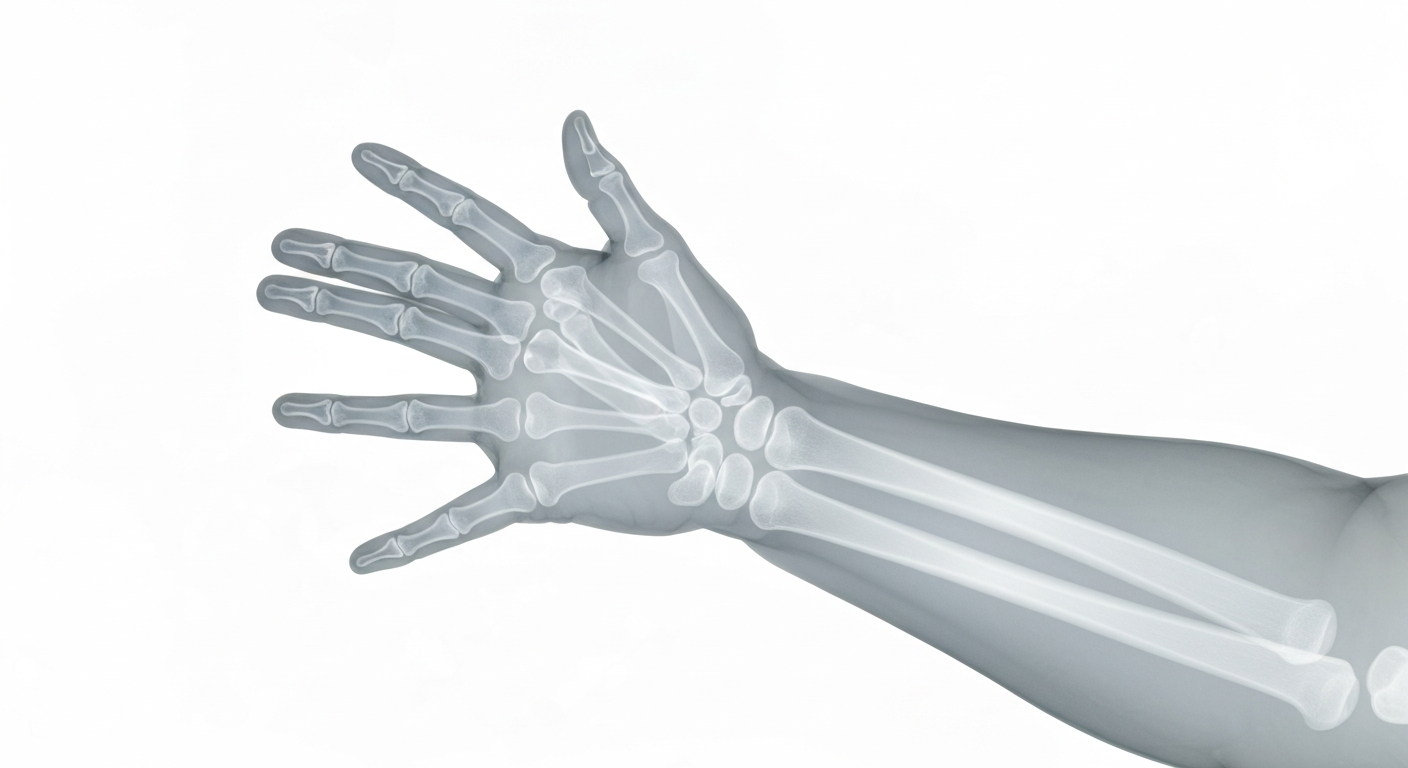 An X-ray image reveals the delicate yet determined grasp of an elderly hand, symbolizing the vital role of Medicaid waivers in enabling independent living.Lafayette Today
The article outlines how Indiana residents access home-based care through HCBS waivers and coordinated long-term care services. It provides an overview of Medicaid waiver programs that allow individuals to receive care in their homes and communities rather than in institutional settings.
Why it matters
Medicaid waivers play a crucial role in enabling older adults and people with disabilities to live independently and receive the care they need in their own homes and communities. This article helps explain these important programs and how they benefit Hoosiers.
The details
The article discusses Medicaid waiver services, which allow Indiana residents to access home-based and community-based care rather than being placed in institutional settings like nursing homes. These waivers provide funding for services like personal care, homemaker services, respite care, and other supports that help people live independently.
- The article was published on April 14, 2026.
The players
Heather Sorrells
A home and community-based services expert who was featured in the HelloNation article.
What they’re saying
“Medicaid waivers are a critical tool for enabling older adults and people with disabilities to receive the care they need while remaining in their homes and communities.”
— Heather Sorrells, Home and Community Based Services Expert
The takeaway
Medicaid waiver programs play a vital role in supporting independent living and community-based care for vulnerable populations in Indiana, helping them avoid more restrictive institutional settings.