- Today
- Holidays
- Birthdays
- Reminders
- Cities
- Atlanta
- Austin
- Baltimore
- Berwyn
- Beverly Hills
- Birmingham
- Boston
- Brooklyn
- Buffalo
- Charlotte
- Chicago
- Cincinnati
- Cleveland
- Columbus
- Dallas
- Denver
- Detroit
- Fort Worth
- Houston
- Indianapolis
- Knoxville
- Las Vegas
- Los Angeles
- Louisville
- Madison
- Memphis
- Miami
- Milwaukee
- Minneapolis
- Nashville
- New Orleans
- New York
- Omaha
- Orlando
- Philadelphia
- Phoenix
- Pittsburgh
- Portland
- Raleigh
- Richmond
- Rutherford
- Sacramento
- Salt Lake City
- San Antonio
- San Diego
- San Francisco
- San Jose
- Seattle
- Tampa
- Tucson
- Washington
NHRA Brings Back Hood Scoops, Sparking Debate
New throttle setup and return of hood scoops in Pro Stock class divides drivers on costs and parity.
Apr. 14, 2026 at 5:14am
Got story updates? Submit your updates here. ›
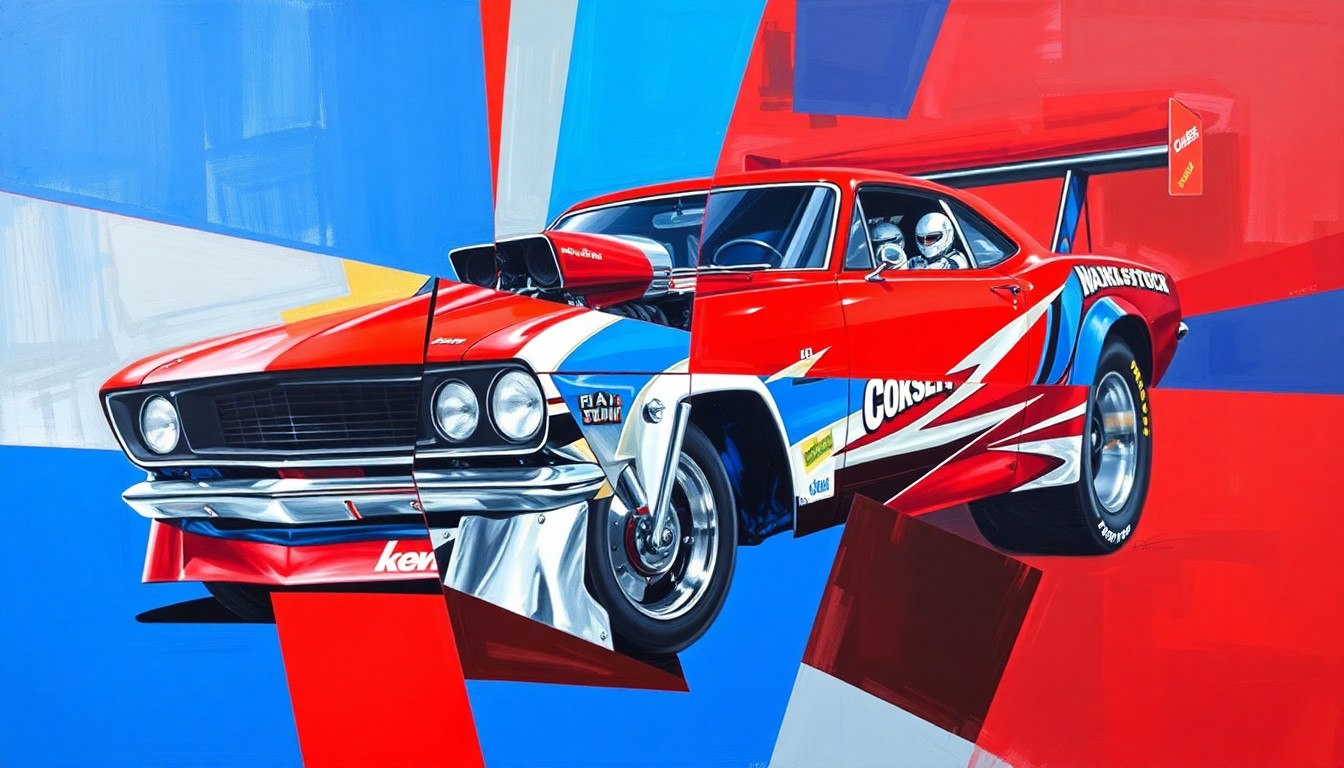 The NHRA's new rules for the Pro Stock class aim to improve performance and reduce costs, but have sparked debate among drivers about the impact on parity and development budgets.Indianapolis Today
The NHRA is making major changes to the Pro Stock class, bringing back hood scoops and a new throttle setup with two top-mounted four-barrel throttle bodies, replacing the single forward-facing throttle body. While some drivers like Jeg Coughlin Jr. welcome the changes, others like KB Titan Racing's Eric Latino argue the moves will only benefit the top teams who can afford the development costs.
Why it matters
The NHRA is hoping the rule changes will improve performance, reduce costs, and increase participation in the Pro Stock class. However, top teams like KB Titan Racing argue the changes will only widen the gap between the haves and have-nots, as the development costs will be prohibitive for smaller teams.
The details
The new rules will see the return of hood scoops in 2027, while EFI will remain. The single forward-facing throttle body will be replaced by two top-mounted four-barrel throttle bodies. Some teams have already tested the new setup and reported gains of 15 horsepower. But KB Titan Racing's Eric Latino believes his team will simply outwork the competition, as they have the best equipment and work ethic.
- The new rules will take effect in the 2027 NHRA season.
- Some teams have already begun testing the new throttle body and hood scoop setup.
The players
Eric Latino
The principal of KB Titan Racing and a Pro Stock driver, Latino believes his team's work ethic will allow them to continue dominating the class despite the rule changes.
Matt Latino
Eric Latino's son and teammate at KB Racing, Matt Latino is concerned about the increased costs the new rules will bring, but is excited about the potential performance gains.
Jeg Coughlin Jr.
A Pro Stock driver competing under the Elite Motorsports banner, Coughlin Jr. welcomes the return of hood scoops and believes the changes will improve performance and potentially reduce development costs.
What they’re saying
“No matter what the rules are, we will always outwork all of the other teams and will continue to dominate.”
— Eric Latino, Principal, KB Titan Racing
“Ultimately I don't think this really does a whole lot. There's a lot of speculation out there or talk that this is going to help some of the smaller, single-car teams compete kind of on our level. And I would like to believe that, because I wish we could bridge some of that gap. But at the same time, I don't think that's really the case.”
— Matt Latino, Driver, KB Racing
“The new hood scoop rule coming for the 2027 season is being welcomed by the teams to help improve performance and potentially reduce the continual research and development costs created from the current approved format.”
— Jeg Coughlin Jr., Driver, Elite Motorsports
What’s next
The new rules will take effect in the 2027 NHRA season, giving teams time to develop and adapt to the changes.
The takeaway
The NHRA's rule changes to the Pro Stock class have divided drivers, with top teams like KB Titan Racing believing they can simply outwork the competition, while smaller teams hope the changes will help bridge the performance gap. The increased costs associated with the new setup could make it difficult for some teams to keep up.