- Today
- Holidays
- Birthdays
- Reminders
- Cities
- Atlanta
- Austin
- Baltimore
- Berwyn
- Beverly Hills
- Birmingham
- Boston
- Brooklyn
- Buffalo
- Charlotte
- Chicago
- Cincinnati
- Cleveland
- Columbus
- Dallas
- Denver
- Detroit
- Fort Worth
- Houston
- Indianapolis
- Knoxville
- Las Vegas
- Los Angeles
- Louisville
- Madison
- Memphis
- Miami
- Milwaukee
- Minneapolis
- Nashville
- New Orleans
- New York
- Omaha
- Orlando
- Philadelphia
- Phoenix
- Pittsburgh
- Portland
- Raleigh
- Richmond
- Rutherford
- Sacramento
- Salt Lake City
- San Antonio
- San Diego
- San Francisco
- San Jose
- Seattle
- Tampa
- Tucson
- Washington
Clarksville Today
By the People, for the People
Texas Roadhouse Ditches Live Country Music Amid Operational Challenges
The restaurant chain's founder Kent Taylor had originally envisioned live country performances as a key part of the roadhouse experience.
Apr. 8, 2026 at 12:25am
Got story updates? Submit your updates here. ›
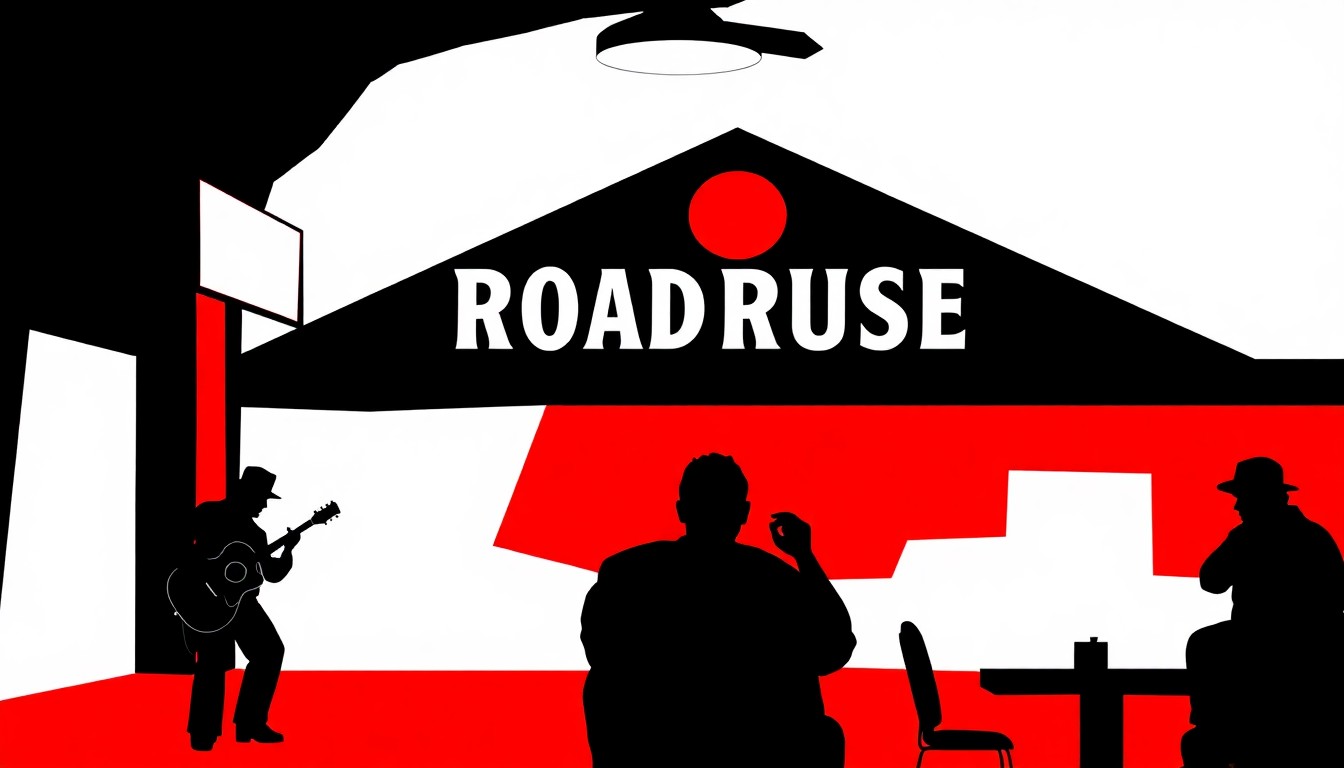 Texas Roadhouse's iconic roadhouse experience evolves, leaving live country music behind in favor of a more streamlined, operationally efficient dining concept.Clarksville Today
Texas Roadhouse, known for its Western theme, free peanuts, and line dancing staff, had initially planned to offer live country music performances at its locations. However, founder Kent Taylor soon realized the operational challenges of managing live bands, including issues with punctuality, volume, and length of performances. As a result, the company decided to forgo the live music element and instead focus on its core strengths of serving great steaks, rolls, and providing a lively atmosphere through other means.
Why it matters
Texas Roadhouse's decision to abandon live country music highlights the operational realities of running a large-scale restaurant chain. While the live music concept may have strengthened the roadhouse atmosphere, the logistical difficulties of consistently managing live performers proved too much for the company to overcome as it rapidly expanded.
The details
In the early 1990s, Texas Roadhouse founder Kent Taylor sought to open a restaurant with a Colorado theme, inspired by his time as a manager at Kentucky Fried Chicken. After securing backing from former Kentucky Governor John Y. Brown Jr., Taylor opened the first Texas Roadhouse location in Clarksville, Indiana, in 1993. Taylor's original vision for the restaurant included live country music performances, wanting to create a unique experience for guests beyond just great food. However, as the brand grew, Taylor encountered issues with bands showing up late, playing too loudly, or performing for too long, which disrupted the restaurant's ability to turn tables. As a result, starting with the second location in Gainesville, Florida, Texas Roadhouse eliminated the live music stage and bands from all future locations.
- In the early 1990s, Kent Taylor conceived the idea for Texas Roadhouse.
- The first Texas Roadhouse location opened in Clarksville, Indiana, in 1993.
- Starting with the second location in Gainesville, Florida, Texas Roadhouse discontinued live country music performances.
The players
Kent Taylor
The founder of Texas Roadhouse who had originally envisioned live country music as a key part of the restaurant's roadhouse experience.
John Y. Brown Jr.
The former Governor of Kentucky who backed Kent Taylor's initial investment in opening the first Texas Roadhouse location.
What they’re saying
“I had anticipated that we would have country music groups perform every night, staying true to the image of a rowdy roadhouse out in the hill country of Texas.”
— Kent Taylor, Founder, Texas Roadhouse
“After I'd dealt with bands showing up late, playing too loud, or going too long (you can't turn tables when the band won't stop jamming), store two in Gainesville, Florida, and every location thereafter, would have no stage and no bands.”
— Kent Taylor, Founder, Texas Roadhouse
The takeaway
Texas Roadhouse's decision to abandon live country music performances, despite the founder's original vision, highlights the operational challenges of running a large-scale restaurant chain. While the live music may have enhanced the roadhouse atmosphere, the logistical difficulties of managing live bands proved too disruptive to the core business of serving great food and providing a lively dining experience.