- Today
- Holidays
- Birthdays
- Reminders
- Cities
- Atlanta
- Austin
- Baltimore
- Berwyn
- Beverly Hills
- Birmingham
- Boston
- Brooklyn
- Buffalo
- Charlotte
- Chicago
- Cincinnati
- Cleveland
- Columbus
- Dallas
- Denver
- Detroit
- Fort Worth
- Houston
- Indianapolis
- Knoxville
- Las Vegas
- Los Angeles
- Louisville
- Madison
- Memphis
- Miami
- Milwaukee
- Minneapolis
- Nashville
- New Orleans
- New York
- Omaha
- Orlando
- Philadelphia
- Phoenix
- Pittsburgh
- Portland
- Raleigh
- Richmond
- Rutherford
- Sacramento
- Salt Lake City
- San Antonio
- San Diego
- San Francisco
- San Jose
- Seattle
- Tampa
- Tucson
- Washington
Central Illinois Sees Wild Weather Swing in One Week
From warm storms to snow, the region experienced a range of conditions.
Apr. 17, 2026 at 8:55pm
Got story updates? Submit your updates here. ›
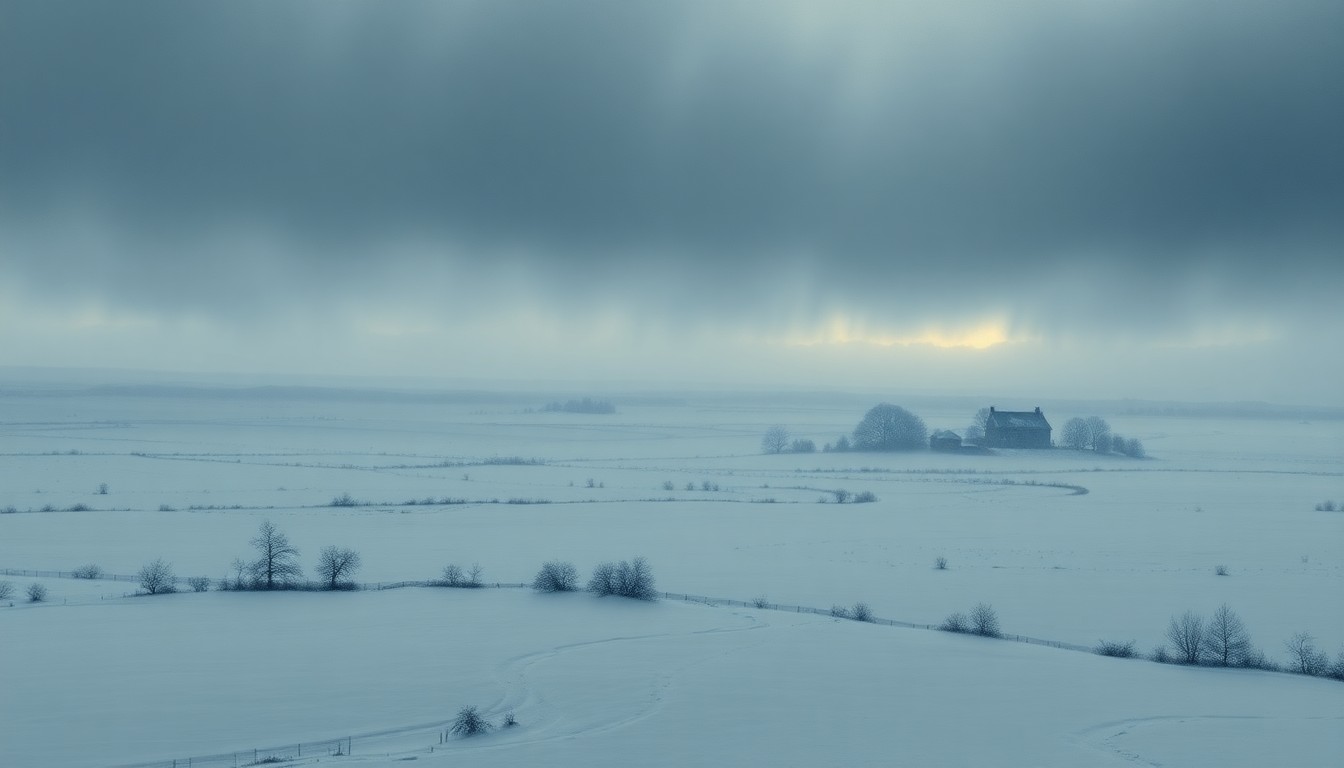 A sudden winter storm sweeps across the central Illinois prairie, underscoring the region's vulnerability to extreme weather shifts.Peoria Today
The Lacon tornado in 1942 was the most recent F5 tornado to hit central Illinois, part of a broader outbreak that impacted multiple states. In just the past week, the region has seen a wild swing in weather, going from warm temperatures and storms to a sudden drop in temperatures and snowfall. While the area avoided the worst of the severe storms, the rain and snow were welcome to help alleviate drought conditions.
Why it matters
Extreme weather swings like this are becoming more common due to climate change, and can have significant impacts on agriculture, infrastructure, and public safety. Understanding the history of severe weather in the region provides important context for preparing communities for future events.
The details
The Lacon tornado in March 1942 was the strongest in a multi-state outbreak, reaching F5 intensity on the Fujita scale. More recently, the Peoria area experienced a dramatic shift in weather over the past week, going from warm temperatures and storms to a sudden drop and snowfall, though the region avoided the worst of the severe weather.
- The Lacon tornado occurred in March 1942.
- The recent weather swing in central Illinois happened over the past week.
The players
Lacon tornado
The most recent F5 tornado to hit central Illinois, part of a broader outbreak that impacted multiple states in March 1942.
Peoria area
The region in central Illinois that experienced the dramatic weather swing from warm to cold and snowy conditions over the past week.
The takeaway
As climate change drives more extreme and unpredictable weather patterns, communities in central Illinois must be prepared to respond to a wider range of severe weather events, from tornadoes to sudden temperature swings, in order to protect public safety and critical infrastructure.
Peoria top stories



Peoria events

Apr. 21, 2026
Peoria Chiefs vs. Cedar Rapids Kernels
Apr. 22, 2026
CeCe Winans - More Than This Tour
Apr. 23, 2026
World Ballet Company: Cinderella