- Today
- Holidays
- Birthdays
- Reminders
- Cities
- Atlanta
- Austin
- Baltimore
- Berwyn
- Beverly Hills
- Birmingham
- Boston
- Brooklyn
- Buffalo
- Charlotte
- Chicago
- Cincinnati
- Cleveland
- Columbus
- Dallas
- Denver
- Detroit
- Fort Worth
- Houston
- Indianapolis
- Knoxville
- Las Vegas
- Los Angeles
- Louisville
- Madison
- Memphis
- Miami
- Milwaukee
- Minneapolis
- Nashville
- New Orleans
- New York
- Omaha
- Orlando
- Philadelphia
- Phoenix
- Pittsburgh
- Portland
- Raleigh
- Richmond
- Rutherford
- Sacramento
- Salt Lake City
- San Antonio
- San Diego
- San Francisco
- San Jose
- Seattle
- Tampa
- Tucson
- Washington
Oak Brook Today
By the People, for the People
Ultra-Processed Foods Linked to Poor Muscle Health
Study finds higher intake of ultra-processed foods associated with more fat in thigh muscles, regardless of calorie or fat intake.
Apr. 15, 2026 at 12:08am
Got story updates? Submit your updates here. ›
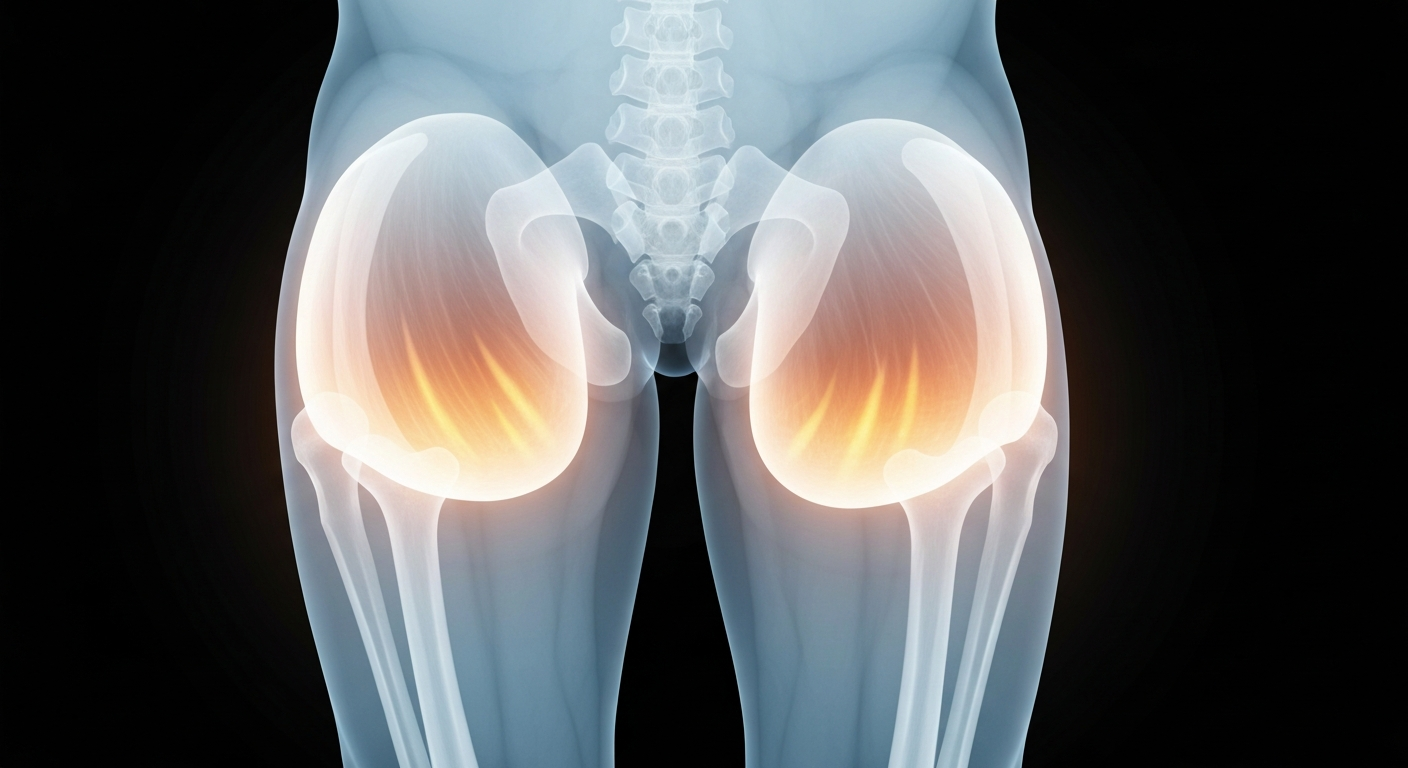 An X-ray-like view of thigh muscles reveals the hidden impact of an ultra-processed diet, with fat deposits replacing healthy muscle tissue.Oak Brook Today
Researchers found that a diet high in ultra-processed foods is associated with higher amounts of fat stored inside thigh muscles, regardless of calorie or fat intake, physical activity or sociodemographic factors in a population at risk for knee osteoarthritis. The study analyzed data from 615 individuals and found that the more ultra-processed foods people consumed, the more intramuscular fat they had in their thigh muscles, which can be seen on MRI as fatty degeneration of the muscle.
Why it matters
Osteoarthritis is an increasingly prevalent and costly global health issue, highly linked to obesity and unhealthy lifestyle choices. This research underscores the vital role of nutrition in muscle quality in the context of knee osteoarthritis, emphasizing that dietary quality warrants greater attention beyond just caloric restriction and exercise.
The details
The study, published in Radiology, analyzed data from 615 individuals who participated in the Osteoarthritis Initiative. On average, participants were overweight with a BMI of 27, and approximately 41% of the foods they consumed over the prior year were ultra-processed. The researchers found that the more ultra-processed foods people consumed, the more intramuscular fat they had in their thigh muscles, regardless of caloric intake.
- The study was published on April 15, 2026.
The players
Zehra Akkaya, M.D.
Researcher and consultant for the Clinical & Translational Musculoskeletal Imaging group at University of California, San Francisco, Department of Radiology and Biomedical Imaging, and the lead author of the study.
Osteoarthritis Initiative
A nationwide research study, sponsored by the National Institutes of Health, that helps researchers better understand how to prevent and treat knee osteoarthritis.
What they’re saying
“Over the past decades, in parallel to the rising prevalences of obesity and knee osteoarthritis, the use of natural ingredients in our diets has steadily diminished and been replaced by industrially-processed, artificially flavored, colored and chemically altered food and beverages, which are classified as ultra-processed foods.”
— Zehra Akkaya, M.D., Researcher and consultant
“This research underscores the vital role of nutrition in muscle quality in the context of knee osteoarthritis. Addressing obesity is a primary objective and frontline treatment for knee osteoarthritis, yet the findings from this research emphasize that dietary quality warrants greater attention, and weight loss regimens should take into account diet quality beyond caloric restriction and exercise.”
— Zehra Akkaya, M.D., Researcher and consultant
What’s next
The researchers plan to further investigate the relationship between ultra-processed food consumption and muscle health, as well as explore potential interventions to improve dietary quality and muscle composition in individuals at risk for knee osteoarthritis.
The takeaway
This study highlights the importance of addressing dietary quality, not just caloric intake, when it comes to maintaining muscle health and preventing conditions like knee osteoarthritis. Reducing ultra-processed food consumption may be a key strategy for preserving muscle quality and alleviating the burden of this prevalent and costly health issue.