- Today
- Holidays
- Birthdays
- Reminders
- Cities
- Atlanta
- Austin
- Baltimore
- Berwyn
- Beverly Hills
- Birmingham
- Boston
- Brooklyn
- Buffalo
- Charlotte
- Chicago
- Cincinnati
- Cleveland
- Columbus
- Dallas
- Denver
- Detroit
- Fort Worth
- Houston
- Indianapolis
- Knoxville
- Las Vegas
- Los Angeles
- Louisville
- Madison
- Memphis
- Miami
- Milwaukee
- Minneapolis
- Nashville
- New Orleans
- New York
- Omaha
- Orlando
- Philadelphia
- Phoenix
- Pittsburgh
- Portland
- Raleigh
- Richmond
- Rutherford
- Sacramento
- Salt Lake City
- San Antonio
- San Diego
- San Francisco
- San Jose
- Seattle
- Tampa
- Tucson
- Washington
Lee Today
By the People, for the People
Tornadoes Confirmed in Ogle and Lee Counties
Residents face cleanup after severe storms spawn multiple twisters
Apr. 4, 2026 at 2:11am
Got story updates? Submit your updates here. ›
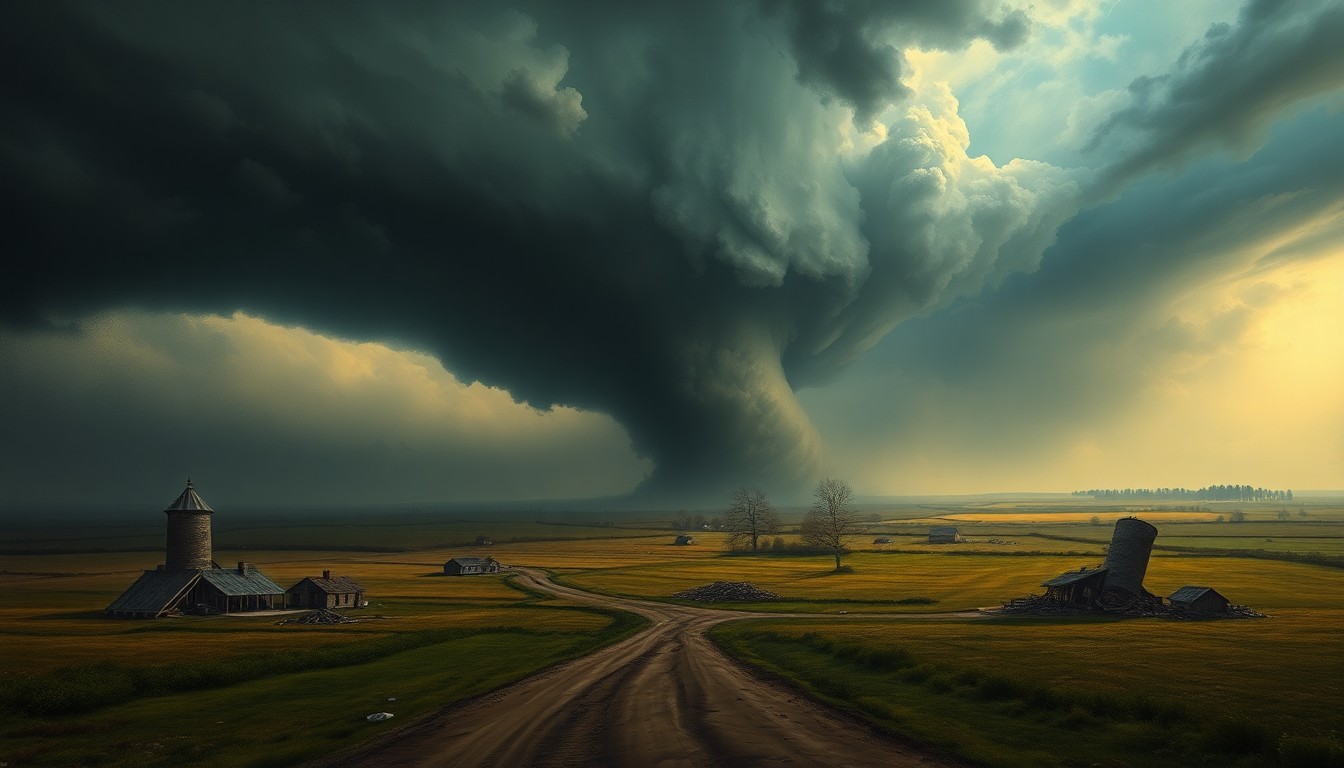 The aftermath of a series of devastating tornadoes serves as a sobering reminder of the raw, elemental force of nature and the resilience required to rebuild in the face of such destruction.Lee Today
The National Weather Service has confirmed that three tornadoes, including an EF0 and two EF1s, touched down in Ogle and Lee counties in Illinois, causing significant damage to homes, businesses, and infrastructure. Local officials and residents are now working to clean up the debris and restore power in the affected areas.
Why it matters
Severe weather events like these tornadoes can have a major impact on local communities, disrupting daily life, damaging property, and potentially putting lives at risk. Understanding the scale and scope of the damage is crucial for coordinating relief efforts and ensuring the safety and well-being of residents.
The details
The NWS survey teams determined that an EF0 tornado hit the town of Holcomb in Ogle County, while an EF1 tornado struck Pine Creek Township in Ogle County and another EF1 tornado hit the area near Palmyra in Lee County. Significant tree damage, power outages, and destruction of buildings and infrastructure were reported, but no injuries were sustained.
- The severe storms and tornadoes occurred on April 4, 2026.
- NWS teams surveyed the affected areas on April 4th to assess the damage and determine the tornado classifications.
The players
Brian VanVickle
Ogle County sheriff, who reported a significant amount of tree debris and other damage in the town of Holcomb.
Mike Bardou
Meteorologist with the Chicago office of the National Weather Service, who explained the process of surveying tornado damage.
Jon Hueber
Co-owner and president of Hueber LLC, a business that sustained damage to its receiving leg where corn and oats are brought into the mill.
What they’re saying
“There's a significant amount of tree debris here in town that's going to be cleaned up. That's going to take some time.”
— Brian VanVickle, Ogle County sheriff
“If we have a location where there's some known damage or will likely zero in on that first, and then we work east-west, north-south away from that to determine where maybe the tornado or where the wind started. and then we keep following that path, using some tools.”
— Mike Bardou, Meteorologist, National Weather Service
“We were lucky that the one that came down did not topple like a domino effect. The other two legs are all part of the manufacturing process. So, we're going to come up with a secondary plan for how we get the flow of the ingredients into the feed mill. And I think we won't lose any service for any of our customers.”
— Jon Hueber, Co-owner and president, Hueber LLC
What’s next
Local authorities and emergency response teams will continue to assess the damage and coordinate cleanup and recovery efforts in the affected areas. Power companies are working to restore electricity to homes and businesses that lost service due to the storms.
The takeaway
The tornadoes that struck Ogle and Lee counties serve as a reminder of the importance of preparedness and resilience in the face of severe weather events. While the damage was significant, the lack of reported injuries suggests that early warning systems and community response plans were effective in protecting residents. Moving forward, these events underscore the need for ongoing investment in infrastructure, emergency planning, and public education to mitigate the impacts of future storms.