- Today
- Holidays
- Birthdays
- Reminders
- Cities
- Atlanta
- Austin
- Baltimore
- Berwyn
- Beverly Hills
- Birmingham
- Boston
- Brooklyn
- Buffalo
- Charlotte
- Chicago
- Cincinnati
- Cleveland
- Columbus
- Dallas
- Denver
- Detroit
- Fort Worth
- Houston
- Indianapolis
- Knoxville
- Las Vegas
- Los Angeles
- Louisville
- Madison
- Memphis
- Miami
- Milwaukee
- Minneapolis
- Nashville
- New Orleans
- New York
- Omaha
- Orlando
- Philadelphia
- Phoenix
- Pittsburgh
- Portland
- Raleigh
- Richmond
- Rutherford
- Sacramento
- Salt Lake City
- San Antonio
- San Diego
- San Francisco
- San Jose
- Seattle
- Tampa
- Tucson
- Washington
Highland Park Today
By the People, for the People
Geoffrey Baer Explores Chicago's Enduring Relationship with Railroads
The WTTW host dives deep into the region's long history with passenger and freight rail in a new documentary.
Apr. 13, 2026 at 8:14pm
Got story updates? Submit your updates here. ›
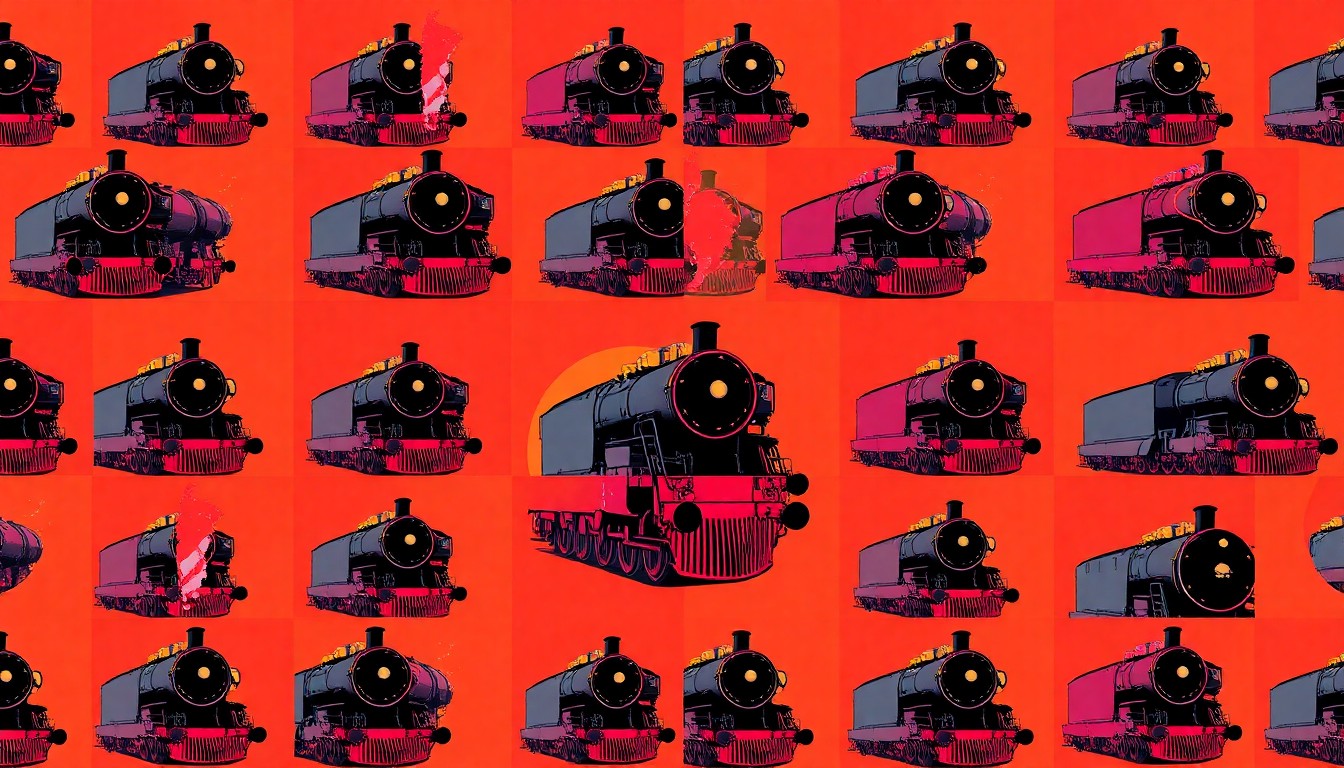 Geoffrey Baer's new documentary explores how Chicago's railroads have been a driving force behind the region's development for over a century.Highland Park Today
Geoffrey Baer, a longtime host on WTTW Channel 11, has decided to dedicate an entire program to exploring the Chicago region's deep and longstanding relationship with railroads. From the city's early days when the first locomotive called 'Pioneer' arrived, to the opulent passenger train terminals, the dangerous working conditions of train crews, and the lasting legacy of rail lines that shape commuter travel today, Baer takes viewers on a comprehensive journey through the area's rail history.
Why it matters
Railroads have been a crucial part of Chicago's development and growth since the mid-19th century, shaping the city's infrastructure, economy, and culture in profound ways. Baer's program aims to shine a light on this 'parallel universe' that is often overlooked, highlighting how the rail industry's influence is woven into the fabric of everyday life in the region.
The details
Baer's new WTTW documentary, 'Riding the Rails with Geoffrey Baer,' explores Chicago's long relationship with railroads, from the arrival of the first locomotive 'Pioneer' in 1848 to the dangerous working conditions of train crews to the lasting legacy of rail lines that still shape commuter travel today. The program takes viewers on a comprehensive journey through the region's rail history, visiting landmarks like the ornate Union Station and the Zephyr Streamliner at the Museum of Science and Industry. Baer also gets a firsthand experience operating a vintage steam engine, describing the intense heat, fumes, and noise that crews had to endure.
- In 1848, the Galena and Chicago Union Railroad Co. purchased a used steam engine called 'Pioneer' as the city's first locomotive.
- In 1933, the Zephyr Streamliner broke speed records traveling between Denver and Chicago for the Century of Progress World's Fair.
- In 1924, the 'largest train robbery in American History' occurred between Libertyville and Lake Bluff.
The players
Geoffrey Baer
A longtime host on WTTW Channel 11 who has decided to dedicate an entire program to exploring the Chicago region's deep and longstanding relationship with railroads.
May Theilgaard Watts
A nature educator at the Morton Arboretum in Lisle who was instrumental in preserving the abandoned right of way of the Chicago, Aurora and Elgin interurban as a trail that eventually became the Illinois Prairie Path, helping kickstart the rail-to-trails movement.
What they’re saying
“I've worked railroads into a lot of my shows, but I always thought it was too niche of a subject to devote a whole show to.”
— Geoffrey Baer, WTTW Host
“There's this huge industry that is kind of hidden in plain sight. Everything in our lives, so many parts of our lives that people intersect with are entirely a result of railroads.”
— Geoffrey Baer, WTTW Host
“Back then it was the Chicago and Northwestern. My mom tells me that literally every time a train went by I would run to the dining room window to watch it go by.”
— Geoffrey Baer, WTTW Host
What’s next
Baer plans to continue updating his suburban-focused programs, as many are now outdated after about 20 years. He is also considering another 'bucket list' experience, potentially riding on a vintage locomotive, though he acknowledges the intense conditions that train crews had to endure.
The takeaway
Railroads have been woven into the fabric of Chicago and its surrounding suburbs for generations, shaping the region's infrastructure, economy, and culture in profound ways. Baer's new program aims to shine a light on this often overlooked 'parallel universe' and the lasting legacy of the rail industry in the area.