- Today
- Holidays
- Birthdays
- Reminders
- Cities
- Atlanta
- Austin
- Baltimore
- Berwyn
- Beverly Hills
- Birmingham
- Boston
- Brooklyn
- Buffalo
- Charlotte
- Chicago
- Cincinnati
- Cleveland
- Columbus
- Dallas
- Denver
- Detroit
- Fort Worth
- Houston
- Indianapolis
- Knoxville
- Las Vegas
- Los Angeles
- Louisville
- Madison
- Memphis
- Miami
- Milwaukee
- Minneapolis
- Nashville
- New Orleans
- New York
- Omaha
- Orlando
- Philadelphia
- Phoenix
- Pittsburgh
- Portland
- Raleigh
- Richmond
- Rutherford
- Sacramento
- Salt Lake City
- San Antonio
- San Diego
- San Francisco
- San Jose
- Seattle
- Tampa
- Tucson
- Washington
Chicago to Sell $875M in Water Bonds, Aims to Become Regional Supplier
The city plans to use the bond proceeds to fund water infrastructure projects and expand its water footprint across the state.
Apr. 16, 2026 at 1:54pm
Got story updates? Submit your updates here. ›
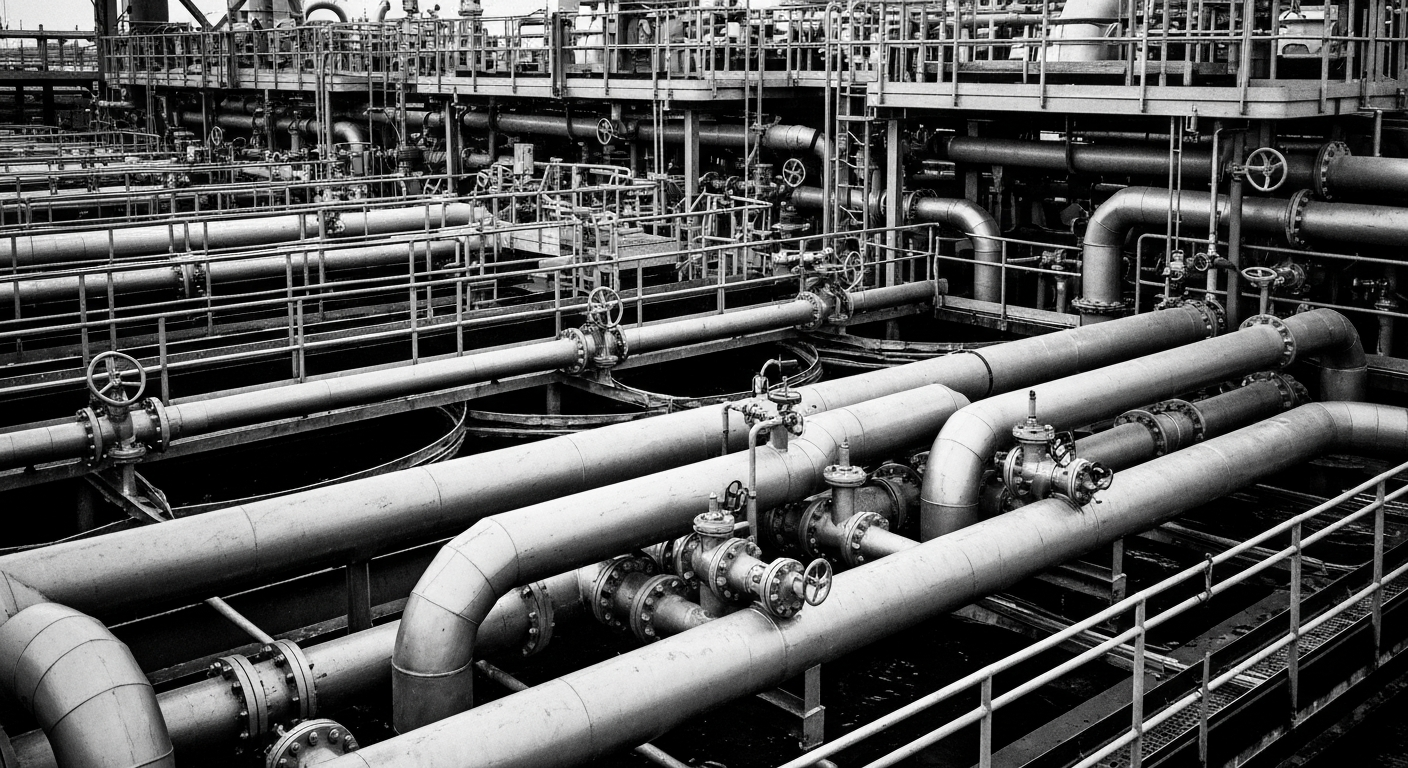 Chicago's ambitious water infrastructure bond sale aims to fortify the city's role as a regional water supplier, as aquifers dry up across Illinois.Chicago Today
The city of Chicago is planning to issue $875 million in second lien water revenue bonds next month, with a possible tender component. The bond proceeds will fund various water infrastructure projects, including facility upgrades, water main installations, and lead service line replacements. Chicago is also looking to become a more regional water supplier as underground aquifers in other parts of the state begin to dry up.
Why it matters
This bond sale is part of Chicago's broader strategy to strengthen its water infrastructure and position itself as a major regional water supplier. As water scarcity becomes an increasing concern in Illinois, Chicago's ability to provide a reliable and sustainable water source could have significant implications for the surrounding communities and the state's overall water security.
The details
The $875 million bond deal includes $661 million in new money bonds to fund capital needs at the city's water purification plants and pumping stations, as well as water meter replacements and lead service line replacements. Another $164 million will refinance existing water bonds, and a $50 million component is a potential tender targeting some earlier water bonds. The city projects the deal will generate $13.3 million in savings if the tender is completed, and $9 million without it.
- The city plans to price the Series 2026 bonds in May 2026.
- The new money bonds will fund projects through August 2027.
- The refinancing bonds will not extend final maturities or increase the average life of the bonds.
The players
Steven Mahr
The acting Chief Financial Officer of the city of Chicago.
Randy Conner
The Commissioner of the Chicago Department of Water Management.
Brandon Johnson
The Mayor of Chicago.
Raymond Lopez
An alderman on the Chicago City Council.
Nicole Lee
An alderman on the Chicago City Council.
What they’re saying
“We're trying to become a more regional water supplier at this point. The underground aquifers are starting to dry up in other parts of the state.”
— Randy Conner, Commissioner, Chicago Department of Water Management
“What also concerns me about this ... is that what we learned not too long ago, by the Department of Management and Budget, is that we continuously find open ends of credit that nobody seems to know about.”
— Raymond Lopez, Alderman, Chicago City Council
“We've talked a lot about the (general obligation) bond issuances and ... there's still over a billion dollars of bond authorization that remains untapped. And it is a big concern for all of us in this environment.”
— Nicole Lee, Alderman, Chicago City Council
What’s next
The bond deal received a 'do pass' recommendation from the Chicago City Council's finance committee and was approved at the council's Wednesday meeting. Aldermen Nicole Lee and Scott Waguespack also introduced a resolution calling for a hearing on the efficiencies detailed in a recent Ernst & Young report commissioned by the Johnson administration and whether the city has made progress on implementing them.
The takeaway
Chicago's ambitious plan to issue $875 million in water bonds and position itself as a regional water supplier highlights the growing importance of water infrastructure and security in Illinois. While some aldermen expressed concerns about the city's overall debt levels, the bond deal's approval suggests the city sees this as a critical investment in its long-term water future.
Chicago top stories



Chicago events

Apr. 17, 2026
Hamilton (Chicago)
Apr. 17, 2026
Stuff You Should Know Live
Apr. 17, 2026
The Merry Wives of Windsor