- Today
- Holidays
- Birthdays
- Reminders
- Cities
- Atlanta
- Austin
- Baltimore
- Berwyn
- Beverly Hills
- Birmingham
- Boston
- Brooklyn
- Buffalo
- Charlotte
- Chicago
- Cincinnati
- Cleveland
- Columbus
- Dallas
- Denver
- Detroit
- Fort Worth
- Houston
- Indianapolis
- Knoxville
- Las Vegas
- Los Angeles
- Louisville
- Madison
- Memphis
- Miami
- Milwaukee
- Minneapolis
- Nashville
- New Orleans
- New York
- Omaha
- Orlando
- Philadelphia
- Phoenix
- Pittsburgh
- Portland
- Raleigh
- Richmond
- Rutherford
- Sacramento
- Salt Lake City
- San Antonio
- San Diego
- San Francisco
- San Jose
- Seattle
- Tampa
- Tucson
- Washington
New Drug Created at Northwestern Helps Pancreatic Cancer Patients Live Longer
Oncologist says the drug Elraglusib, when combined with chemotherapy, allows patients to live beyond the typical prognosis for stage 4 pancreatic cancer.
Apr. 14, 2026 at 9:54pm
Got story updates? Submit your updates here. ›
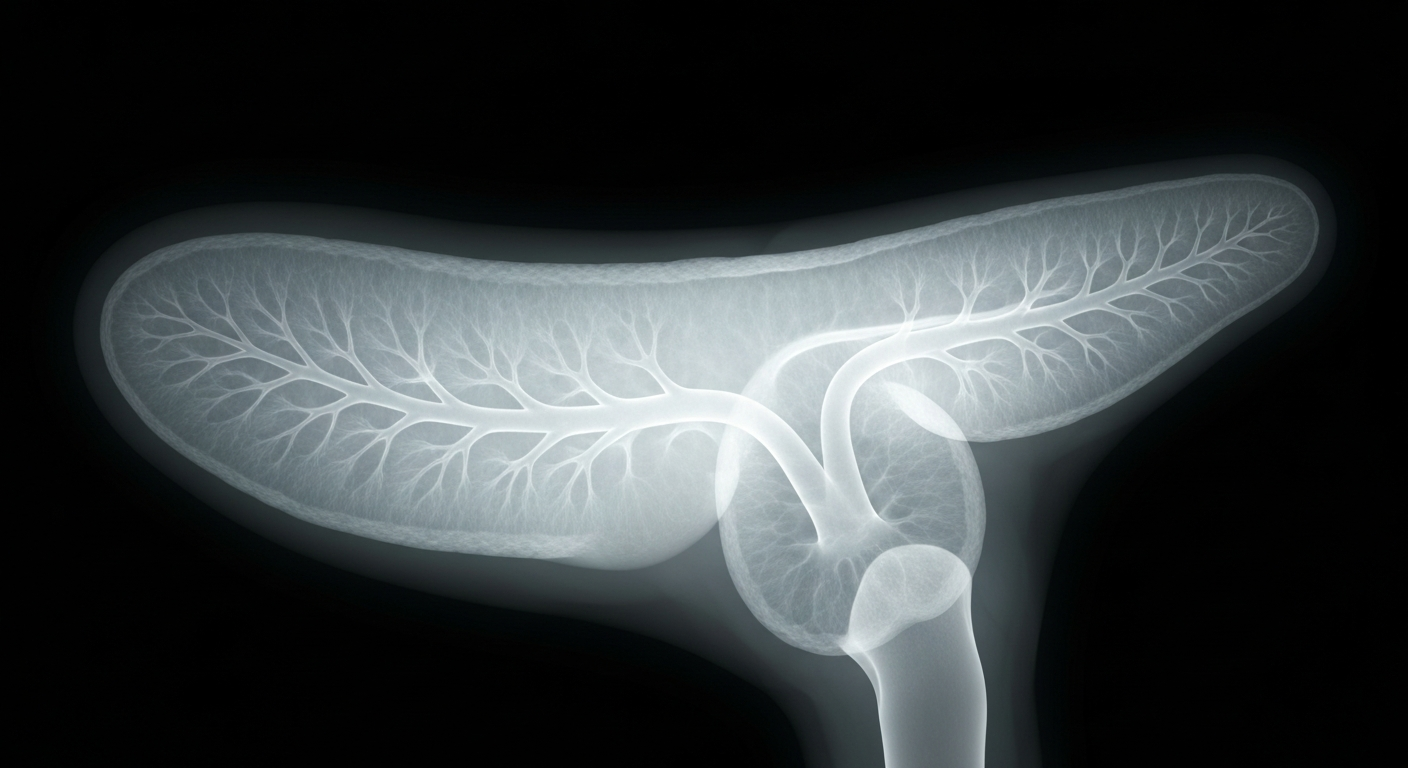 An experimental drug created at Northwestern University appears to extend the lives of pancreatic cancer patients when combined with chemotherapy.Chicago Today
A new drug called Elraglusib, created at Northwestern Medicine, has shown promising results in helping pancreatic cancer patients live longer when combined with chemotherapy. According to Dr. Deva Mahalingam, the lead author of the research, the drug appears to make chemotherapy more effective, allowing patients to live beyond the typical 6-8 month prognosis for stage 4 pancreatic cancer. One patient, Donna Husar, says the drug gave her and her husband Matthew two more years together before he passed away.
Why it matters
Pancreatic cancer is one of the deadliest forms of cancer, with a very low survival rate. This new drug offers hope for patients and their families, potentially giving them more precious time together. If confirmed in further trials, Elraglusib could become an important new treatment option for those facing this devastating diagnosis.
The details
The drug Elraglusib was developed at Northwestern Medicine. In clinical trials, when patients received Elraglusib along with chemotherapy, they lived longer than those who received only chemotherapy. Dr. Mahalingam, the lead researcher, explained that pancreatic cancer is usually only detected at a late, stage 4 level, when the prognosis is typically just 6-8 months to live. However, the patients who took Elraglusib lived beyond that timeframe, with one patient, Donna Husar, saying her husband Matthew lived for two more years after starting the drug trial.
- The research on Elraglusib was published on Tuesday, April 14, 2026.
- Donna Husar's husband Matthew lived for two years after starting the Elraglusib drug trial.
The players
Dr. Deva Mahalingam
The lead author of the research on the new pancreatic cancer drug Elraglusib, developed at Northwestern Medicine.
Donna Husar
A widow whose husband Matthew lived for two additional years after starting the Elraglusib drug trial, giving them more time together before he passed away.
Matthew Husar
Donna Husar's husband, who participated in the Elraglusib drug trial and lived for two additional years beyond the typical prognosis for stage 4 pancreatic cancer.
Elraglusib
A new drug created at Northwestern Medicine that, when combined with chemotherapy, has shown promising results in helping pancreatic cancer patients live longer.
Northwestern Medicine
The academic medical center where the new pancreatic cancer drug Elraglusib was developed.
What they’re saying
“This drug was a positive trial in a very difficult to treat cancer.”
— Dr. Deva Mahalingam, GI Oncologist and Lead Author
“It's slowing the growth of these cancers. It's still not a cure, but it's allowing patients to live longer compared to just being on the chemotherapy alone.”
— Dr. Deva Mahalingam, GI Oncologist and Lead Author
“I'm so grateful that we did, but it was really scary not knowing, but it gave us hope, and that was all we could ask for. We tried to do the most we could with the time he had, and how he was feeling, there were days he wasn't feeling so well. But overall, he was pretty good.”
— Donna Husar
What’s next
Mahalingam says he is eager to do confirmation trials and hopes those with pancreatic cancer could have access to the drug in two years.
The takeaway
This new drug offers a glimmer of hope for pancreatic cancer patients and their families, potentially giving them more precious time together during a devastating diagnosis. If further trials confirm the positive results, Elraglusib could become an important new treatment option for this deadly form of cancer.
Chicago top stories



Chicago events

Apr. 15, 2026
Hamilton (Chicago)
Apr. 15, 2026
The Merry Wives of Windsor
Apr. 15, 2026
Hamilton (Chicago)