- Today
- Holidays
- Birthdays
- Reminders
- Cities
- Atlanta
- Austin
- Baltimore
- Berwyn
- Beverly Hills
- Birmingham
- Boston
- Brooklyn
- Buffalo
- Charlotte
- Chicago
- Cincinnati
- Cleveland
- Columbus
- Dallas
- Denver
- Detroit
- Fort Worth
- Houston
- Indianapolis
- Knoxville
- Las Vegas
- Los Angeles
- Louisville
- Madison
- Memphis
- Miami
- Milwaukee
- Minneapolis
- Nashville
- New Orleans
- New York
- Omaha
- Orlando
- Philadelphia
- Phoenix
- Pittsburgh
- Portland
- Raleigh
- Richmond
- Rutherford
- Sacramento
- Salt Lake City
- San Antonio
- San Diego
- San Francisco
- San Jose
- Seattle
- Tampa
- Tucson
- Washington
Author Defends Book on History of Black Comedy
Geoff Bennett responds to critique of his work "Black Out Loud" on the revolutionary path of Black comedy from vaudeville to 1990s sitcoms.
Apr. 13, 2026 at 3:27pm
Got story updates? Submit your updates here. ›
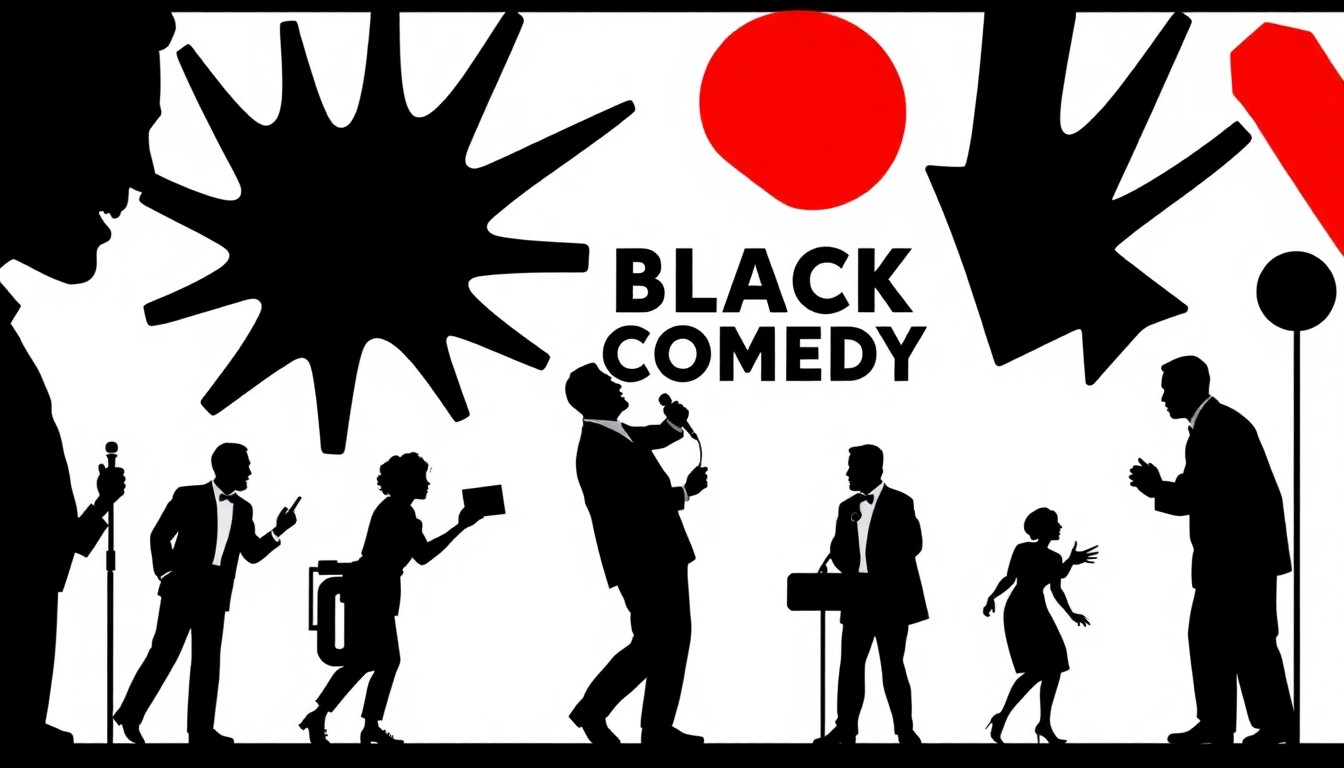 A conceptual illustration capturing the revolutionary history and ongoing tensions within the tradition of Black comedy.Chicago Today
Author Geoff Bennett is defending the framework of his book "Black Out Loud: The Revolutionary History of Black Comedy From Vaudeville to '90s Sitcoms" in response to a critique by K. Austin Collins published in The Atlantic. The debate centers on whether centering the history of Black comedy around its interaction with mainstream, white-dominated institutions overlooks a more radical tradition of art created exclusively for Black audiences.
Why it matters
This discussion highlights the ongoing tension between the desire for mainstream visibility and the need to preserve autonomous creative spaces for marginalized artists. It examines how Black comedians have navigated this balance, using their work to both challenge and extract concessions from white-controlled institutions.
The details
In his response, Bennett acknowledges omitting several key figures and venues from his narrative, including Paul Mooney, Patrice O'Neal, Katt Williams, Def Comedy Jam, BET's ComicView, and Tyler Perry's House of Payne. He disputes the claim that he celebrates the crossover era uncritically, citing examples from his book that highlight the instability and prejudice faced by Black performers even at the height of their mainstream success.
- The book "Black Out Loud" was published in 2026.
The players
Geoff Bennett
The author of the book "Black Out Loud: The Revolutionary History of Black Comedy From Vaudeville to '90s Sitcoms".
K. Austin Collins
A critic who published a review of Bennett's book in The Atlantic, arguing that it overlooks a more radical tradition of Black comedy created exclusively for Black audiences.
What they’re saying
“Bennett acknowledges that his focus on the path toward crossover appeal resulted in the omission of several key figures and venues.”
— Geoff Bennett, Author
“Collins argued that Bennett erred by presenting the era of crossover appeal as the apex of Black comic achievement and by using network television as the primary lens for gauging progress.”
— K. Austin Collins, Critic
The takeaway
This debate highlights the ongoing tension between the desire for mainstream visibility and the need to preserve autonomous creative spaces for marginalized artists. It examines how Black comedians have navigated this balance, using their work to both challenge and extract concessions from white-controlled institutions.
Chicago top stories



Chicago events
Apr. 15, 2026
Hamilton (Chicago)
Apr. 15, 2026
The Merry Wives of Windsor
Apr. 15, 2026
Hamilton (Chicago)