- Today
- Holidays
- Birthdays
- Reminders
- Cities
- Atlanta
- Austin
- Baltimore
- Berwyn
- Beverly Hills
- Birmingham
- Boston
- Brooklyn
- Buffalo
- Charlotte
- Chicago
- Cincinnati
- Cleveland
- Columbus
- Dallas
- Denver
- Detroit
- Fort Worth
- Houston
- Indianapolis
- Knoxville
- Las Vegas
- Los Angeles
- Louisville
- Madison
- Memphis
- Miami
- Milwaukee
- Minneapolis
- Nashville
- New Orleans
- New York
- Omaha
- Orlando
- Philadelphia
- Phoenix
- Pittsburgh
- Portland
- Raleigh
- Richmond
- Rutherford
- Sacramento
- Salt Lake City
- San Antonio
- San Diego
- San Francisco
- San Jose
- Seattle
- Tampa
- Tucson
- Washington
Pope and President at Odds Over Iran War
First American pope directly criticizes American president over escalating conflict
Apr. 12, 2026 at 9:22pm
Got story updates? Submit your updates here. ›
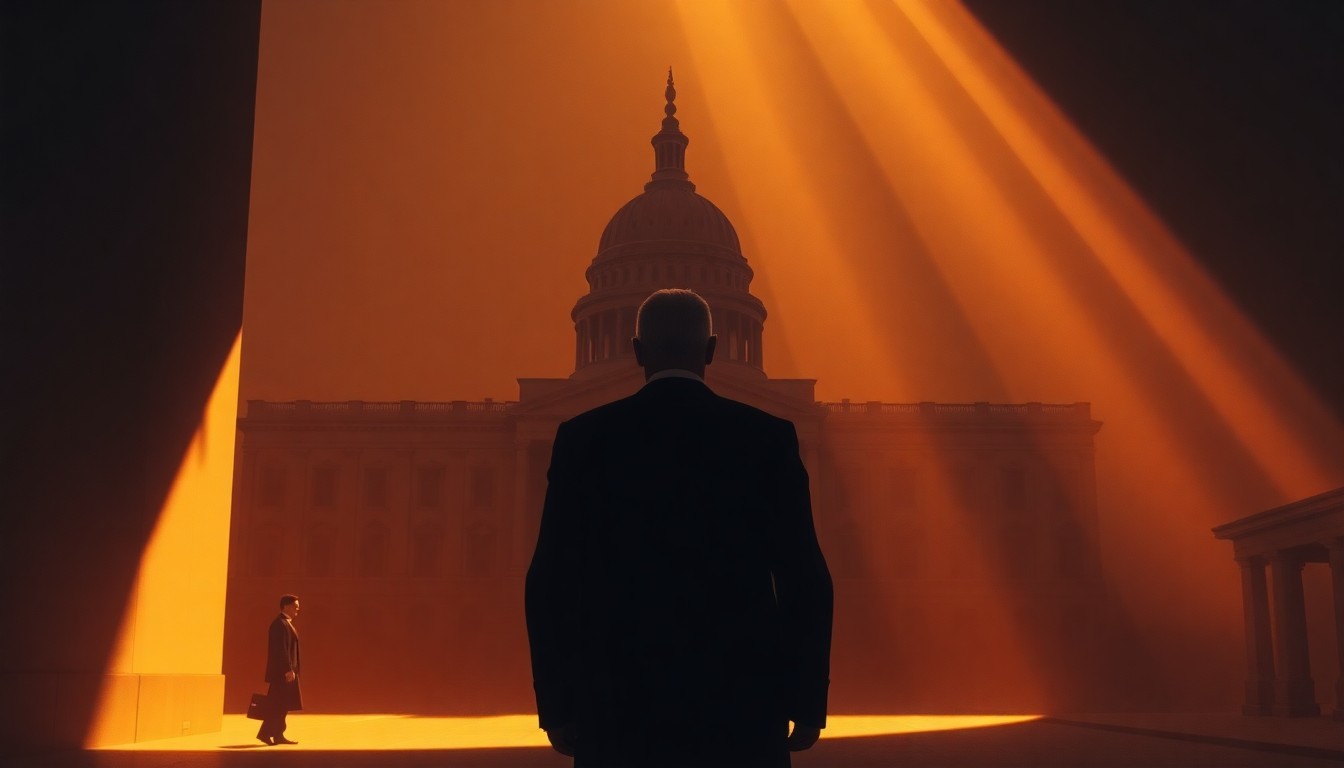 The tense standoff between the U.S. president and the Catholic pontiff reflects a deeper clash of worldviews and values.Chicago Today
In an unprecedented situation, the first American pope, Pope Leo XIV, has directly criticized President Donald Trump's belligerence and threats toward Iran, calling them "truly unacceptable." The relationship between the Vatican and Washington now revolves around two influential Americans - the 79-year-old president from Queens and the 70-year-old pontiff from Chicago - who come from the same generation but have vastly different approaches to power and values.
Why it matters
This clash between the U.S. president and the Catholic Church leader is an inflection point for American Christianity, as the pope's opposition to the war reflects the church's long-standing tradition of promoting international norms and peace, in contrast to the Trump administration's close ties to conservative evangelical leaders who have endorsed the conflict.
The details
Pope Leo XIV, a native English speaker, has directly criticized Trump's threats against Iran in a way that is unusual for popes, who typically offer more general critiques of political and social systems. Experts say Leo's global perspective from his time serving outside the U.S. has given him a different understanding of how Washington's policies have affected less powerful nations. Meanwhile, the Trump administration seems to view politics in "transactional" terms of "who's for us and who's against us," which may make it difficult to appreciate the nuances of the pope's position.
- In January, a report surfaced of a contentious meeting between Pentagon and Catholic Church officials, where a member of the Trump administration allegedly warned the church not to stand in the way of U.S. military might.
- On Palm Sunday, Pope Leo XIV referenced an Old Testament passage, saying that "even though you make many prayers, I will not listen - your hands are full of blood."
- After Trump warned of mass strikes against Iranian power plants and infrastructure, Pope Leo described it as a "threat against the entire people of Iran" and said it was "truly unacceptable."
The players
Pope Leo XIV
The first American pope, a 70-year-old pontiff from Chicago who has directly criticized President Trump's belligerence and threats toward Iran, reflecting the Catholic Church's long-standing tradition of promoting international norms and peace.
President Donald Trump
The 79-year-old U.S. president from Queens who has close ties to conservative evangelical Protestant leaders and has claimed heavenly endorsement for the war on Iran, in contrast to the pope's position.
What they’re saying
“For the last five centuries, the church has been involved in a project of helping develop strong international norms," including the Geneva Conventions in recent centuries, "It is a very long-standing tradition rooted in Scripture and theology and philosophy.”
— William Barbieri, Catholic University professor
“Popes have critiqued unfettered capitalism before, very robustly. The popes have critiqued the Industrial Revolution, right? Things that the U.S. has been at the forefront of, but it's never been this specific and localized.”
— Natalia Imperatori-Lee, Theology professor, Fordham University
What’s next
The Vatican has rejected a report of a contentious meeting with Pentagon officials, and the U.S. Embassy to the Holy See has pushed back, saying the characterization of the meeting does not correspond to the truth.
The takeaway
This clash between the U.S. president and the Catholic Church leader highlights the deep divide between the Trump administration's 'transactional' approach to politics and the pope's global perspective rooted in the church's long-standing tradition of promoting international norms and peace. The outcome of this conflict could have significant implications for the relationship between Washington and the Vatican.
Chicago top stories



Chicago events
Apr. 14, 2026
Des Rocs, ROMES, King Falcon

Apr. 14, 2026
*SOLD OUT* Gilmore Girls, but Chicago