- Today
- Holidays
- Birthdays
- Reminders
- Cities
- Atlanta
- Austin
- Baltimore
- Berwyn
- Beverly Hills
- Birmingham
- Boston
- Brooklyn
- Buffalo
- Charlotte
- Chicago
- Cincinnati
- Cleveland
- Columbus
- Dallas
- Denver
- Detroit
- Fort Worth
- Houston
- Indianapolis
- Knoxville
- Las Vegas
- Los Angeles
- Louisville
- Madison
- Memphis
- Miami
- Milwaukee
- Minneapolis
- Nashville
- New Orleans
- New York
- Omaha
- Orlando
- Philadelphia
- Phoenix
- Pittsburgh
- Portland
- Raleigh
- Richmond
- Rutherford
- Sacramento
- Salt Lake City
- San Antonio
- San Diego
- San Francisco
- San Jose
- Seattle
- Tampa
- Tucson
- Washington
Bartonville Today
By the People, for the People
Illinois Sues EPA Over Reversal of Landmark Climate Change Ruling
State officials fear federal policy changes could slow planned coal plant closures
Apr. 10, 2026 at 5:43pm
Got story updates? Submit your updates here. ›
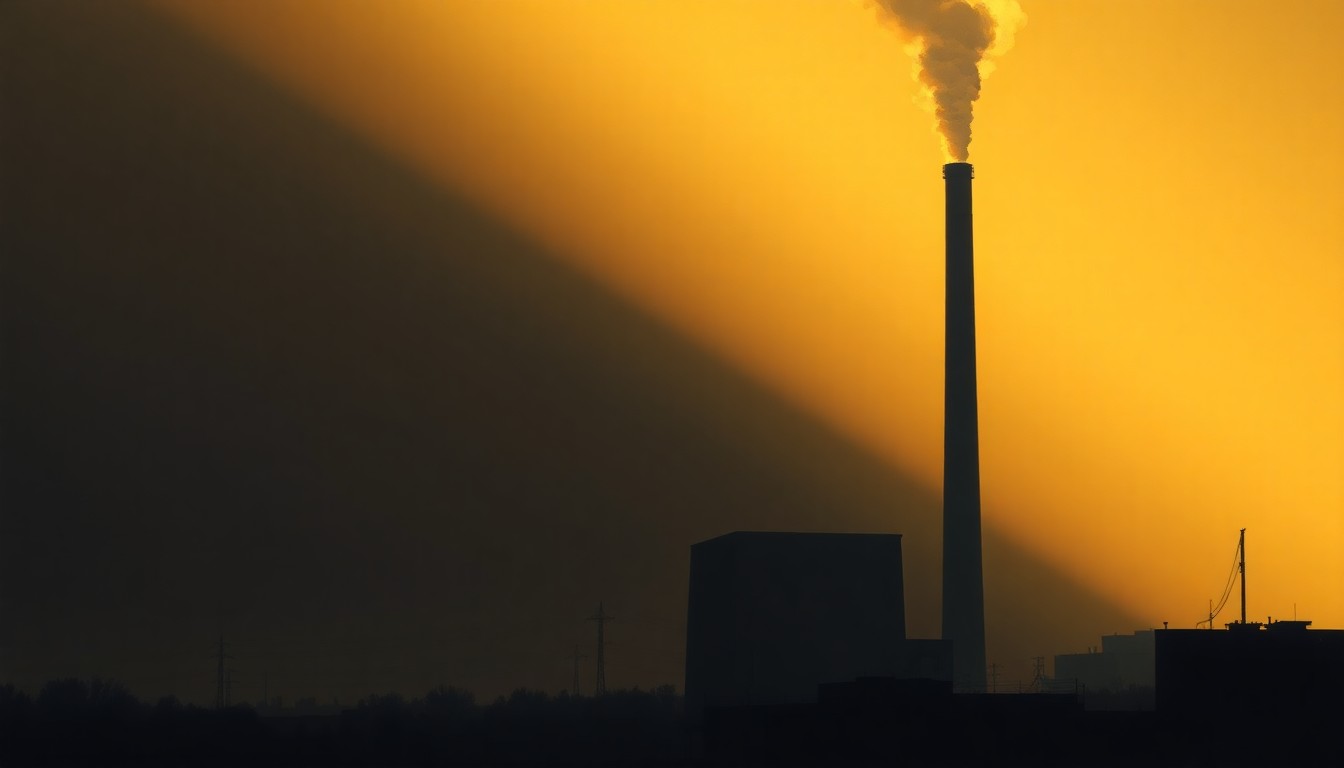 As federal policy shifts to favor fossil fuels, Illinois' transition to clean energy faces new uncertainty and legal challenges.Bartonville Today
Illinois government and environmental organizations are concerned that the Trump administration's repeal of the 'endangerment finding,' which provides the backbone for federal environmental regulations on greenhouse gas emissions, could change the calculus for power plant operators and potentially slow planned plant closures in the state. Illinois has joined a 24-state coalition in suing the EPA over the decision, which they say will undo progress made to address climate change.
Why it matters
The repeal of the endangerment finding means the federal EPA will no longer regulate dangerous emissions from sources like power plants. This could create economic incentives for coal-fired plants to remain open, potentially slowing Illinois' transition to cleaner energy sources and meeting its climate goals under the state's Clean and Equitable Jobs Act.
The details
Earlier this year, the Trump administration announced the repeal of the 'endangerment finding,' which provides the legal basis for federal regulations on greenhouse gas emissions. This move means the EPA will no longer regulate emissions from sources like power plants. Environmental groups fear this could change the economics for plant operators and slow planned closures of coal-fired plants in Illinois, even as the state has passed laws to transition to clean energy by 2030.
- In February 2026, the Trump administration announced the repeal of the 'endangerment finding'.
- On March 19, 2026, Illinois Attorney General Kwame Raoul filed a lawsuit against the federal EPA as part of a 24-state coalition.
The players
Kwame Raoul
The Illinois Attorney General who filed a lawsuit against the federal EPA over the repeal of the 'endangerment finding'.
JB Pritzker
The Governor of Illinois who has spoken out forcefully in opposition to the EPA's repeal of the 'endangerment finding'.
Cate Caldwell
The senior policy manager at the Illinois Environmental Council who says the state's clean energy law works best when federal policy supports, rather than diminishes, state climate progress.
Charlie Meier
A Republican state representative from Okawville, Illinois who supports the Trump administration's decision to repeal the 'endangerment finding'.
Ben Busser
The vice president of IBEW Local 15, a local utility union that represents workers from coal-fired power plants in Illinois, who hopes the new federal policies will extend the life of those plants.
What they’re saying
“Rescinding this EPA determination will undo progress we have made to address climate change by eliminating existing EPA greenhouse gas emission standards for vehicles and undermining the EPA's mandate to regulate harmful air pollution that causes climate change.”
— Kwame Raoul, Illinois Attorney General
“While (Trump) sells out our nation's future, I won't stop believing in the science and fighting for what Illinoisans need — affordable energy, clean air and water and good jobs.”
— JB Pritzker, Governor of Illinois
“CEJA is a strong policy foundation for Illinois, but it works best when federal policy supports, rather than diminishes, state climate progress.”
— Cate Caldwell, Senior Policy Manager, Illinois Environmental Council
What’s next
The judge in the case will decide on Tuesday whether to grant a preliminary injunction to block the EPA's repeal of the 'endangerment finding' while the lawsuit proceeds.
The takeaway
This case highlights the tension between federal and state policies on climate change, and the challenges Illinois faces in meeting its clean energy goals if the federal government rolls back environmental regulations. It underscores the importance of coordinated action between state and federal governments to effectively address the threat of climate change.