- Today
- Holidays
- Birthdays
- Reminders
- Cities
- Atlanta
- Austin
- Baltimore
- Berwyn
- Beverly Hills
- Birmingham
- Boston
- Brooklyn
- Buffalo
- Charlotte
- Chicago
- Cincinnati
- Cleveland
- Columbus
- Dallas
- Denver
- Detroit
- Fort Worth
- Houston
- Indianapolis
- Knoxville
- Las Vegas
- Los Angeles
- Louisville
- Madison
- Memphis
- Miami
- Milwaukee
- Minneapolis
- Nashville
- New Orleans
- New York
- Omaha
- Orlando
- Philadelphia
- Phoenix
- Pittsburgh
- Portland
- Raleigh
- Richmond
- Rutherford
- Sacramento
- Salt Lake City
- San Antonio
- San Diego
- San Francisco
- San Jose
- Seattle
- Tampa
- Tucson
- Washington
Pocatello Today
By the People, for the People
Apple Faces EU USB-C Requirement, Considers Slow Charging Loophole
iPhone 15 USB-C cables may not support fast charging, raising concerns about consumer costs and e-waste.
Apr. 20, 2026 at 9:12am
Got story updates? Submit your updates here. ›
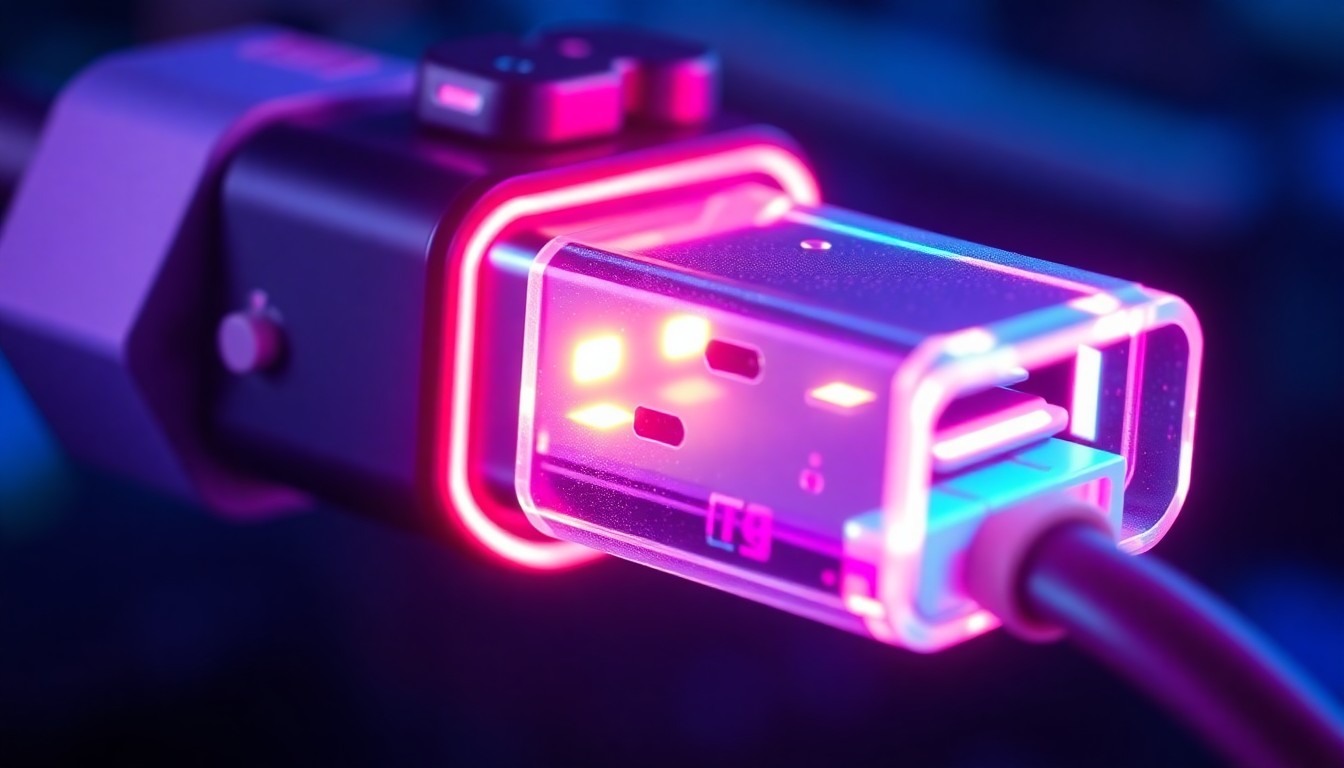 The EU's push for a universal USB-C standard raises questions about Apple's commitment to consumer-friendly policies, as the tech giant explores potential loopholes to maintain control over its accessory ecosystem.Pocatello Today
Apple has indicated it will adopt USB-C ports in the iPhone 15 to comply with new European regulations requiring a standard cable. However, reports suggest the included cables may not support fast charging, potentially forcing consumers to purchase additional accessories. This raises questions about Apple's motivations, as the company has historically profited from proprietary cable and accessory sales.
Why it matters
The shift to a standard USB-C cable interface is expected to have a significant impact on consumers, reducing unnecessary charger purchases and e-waste. However, Apple's potential use of a loophole to limit fast charging capabilities could undermine these benefits, leading to higher costs for consumers and continued environmental impact.
The details
According to reports, while Apple's iPhone 15 will feature USB-C ports to comply with EU regulations, the included cables will only support USB 2.0 speeds, limiting fast charging capabilities. This sets up a situation where consumers will have to choose between a slower, bundled cable or purchasing a separate, Apple-certified fast-charging accessory. Apple has historically profited from its proprietary Lightning connector and accessory ecosystem, and this move suggests the company may be seeking to maintain some of that control and revenue even as it adopts the new standard.
- The new EU regulations requiring USB-C as a standard cable interface are set to take effect in 2024.
- Apple is expected to launch the iPhone 15 in September 2023.
The players
Apple
A multinational technology company that designs, develops, and sells consumer electronics, computer software, and online services.
European Union
A political and economic union of 27 member states located primarily in Europe.
What’s next
The EU regulations requiring USB-C as a standard cable interface are set to take effect in 2024, and Apple is expected to launch the iPhone 15 in September 2023. It remains to be seen whether Apple will fully comply with the spirit of the regulations or attempt to use loopholes to maintain control over its accessory ecosystem.
The takeaway
Apple's potential use of a loophole in the EU's USB-C requirement highlights the ongoing tension between consumer-friendly regulations and the business interests of tech giants. While the shift to a common charger standard is expected to benefit consumers and the environment, Apple's actions suggest the company may still be seeking ways to preserve its lucrative accessory revenue streams, potentially undermining the intended benefits of the new regulations.