- Today
- Holidays
- Birthdays
- Reminders
- Cities
- Atlanta
- Austin
- Baltimore
- Berwyn
- Beverly Hills
- Birmingham
- Boston
- Brooklyn
- Buffalo
- Charlotte
- Chicago
- Cincinnati
- Cleveland
- Columbus
- Dallas
- Denver
- Detroit
- Fort Worth
- Houston
- Indianapolis
- Knoxville
- Las Vegas
- Los Angeles
- Louisville
- Madison
- Memphis
- Miami
- Milwaukee
- Minneapolis
- Nashville
- New Orleans
- New York
- Omaha
- Orlando
- Philadelphia
- Phoenix
- Pittsburgh
- Portland
- Raleigh
- Richmond
- Rutherford
- Sacramento
- Salt Lake City
- San Antonio
- San Diego
- San Francisco
- San Jose
- Seattle
- Tampa
- Tucson
- Washington
Minidoka Today
By the People, for the People
Minidoka Internment Camp's History Halts Wind Energy Project
A proposed wind farm near the former WWII Japanese American incarceration site faced opposition from diverse groups, ultimately leading to its cancellation.
Apr. 12, 2026 at 11:35am
Got story updates? Submit your updates here. ›
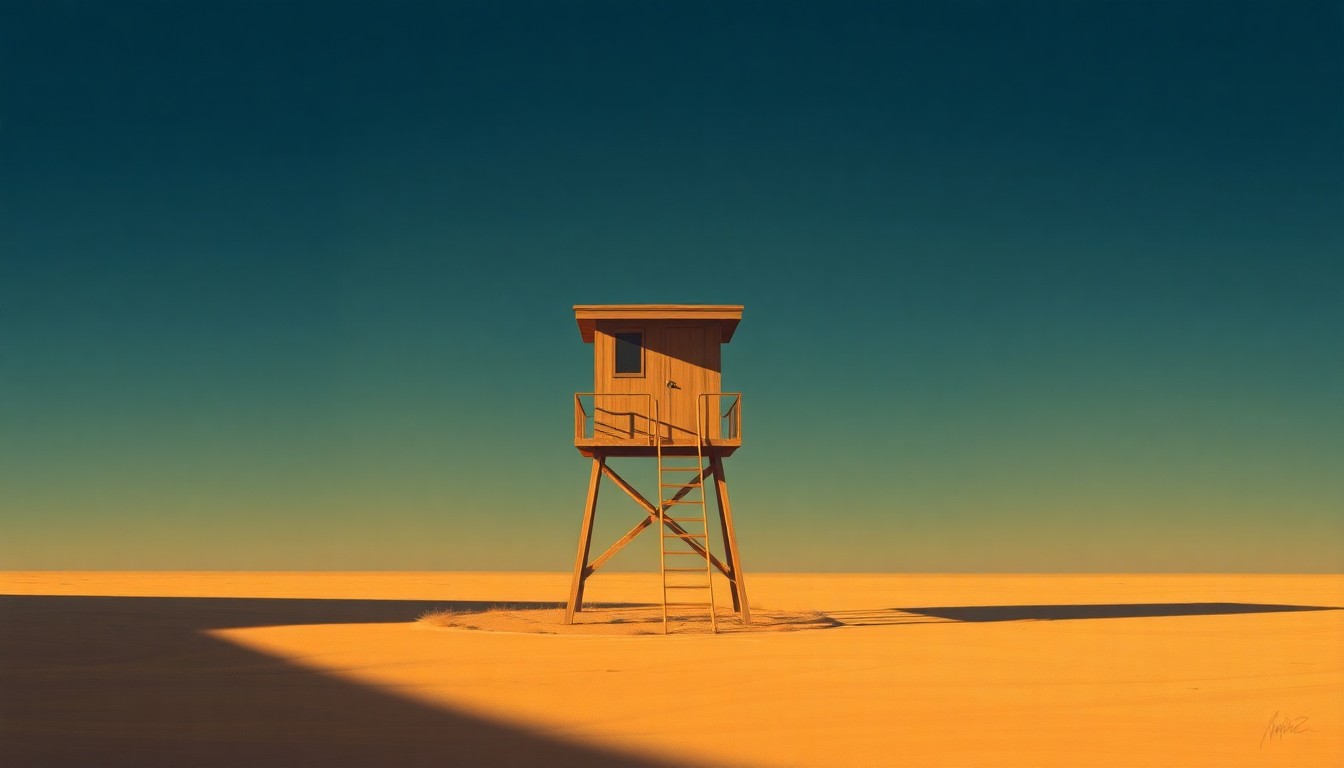 The haunting silence of the former Minidoka internment camp, where the only movement is the fierce desert wind, underscores the site's painful history and the community's fight to protect it from encroaching development.Minidoka Today
A large-scale wind energy project called Lava Ridge, planned for federal lands near the former Minidoka internment camp in Idaho, was canceled after facing opposition from a diverse coalition of stakeholders, including descendants of camp internees, tribal leaders, environmentalists, and conservative renewable energy critics. The project's proximity to the historic site of the WWII incarceration of Japanese Americans proved to be a key factor in its demise, as opponents argued it would have desecrated the landscape and memory of the camp.
Why it matters
The Lava Ridge wind project highlights the complex challenges of balancing renewable energy development, land conservation, and honoring sites of historical significance, especially those tied to dark chapters in America's past. The fight over the project brought together unlikely allies and showcased how the legacy of Minidoka continues to shape the region's politics and development.
The details
The Lava Ridge wind project, proposed by LS Power, would have installed up to 400 turbines across nearly 200,000 acres of federal land managed by the Bureau of Land Management. The closest turbines would have been within 2 miles of the Minidoka historic site, where over 13,000 Japanese Americans were incarcerated during World War II. Opponents, including descendants of internees, tribal leaders, environmentalists, and conservative renewable energy critics, argued the project would have desecrated the landscape and memory of the camp. After public hearings drew hundreds of opponents, LS Power scaled back the project to fewer than 250 turbines across 38,000 acres, but it was still not enough to gain approval. The project was ultimately canceled by the Trump administration in 2025.
- In 2019, LS Power submitted a plan to build the Lava Ridge wind project.
- In December 2024, the Bureau of Land Management approved a scaled-down version of the project.
- On the first day of his second term in 2025, President Trump paused all wind projects on public land or requiring federal approval.
- Eight months later, in August 2025, the Interior Department formally canceled the Lava Ridge project.
The players
Lava Ridge Wind Project
A proposed large-scale wind energy project on federal lands near the former Minidoka internment camp in Idaho, planned by the New York-based investment company LS Power.
Minidoka Historic Site
The site of a World War II incarceration camp where over 13,000 Japanese Americans were held during the war, now a national historic site managed by the National Park Service.
Dan Sakura
A public-lands consultant and descendant of Minidoka internees who opposed the Lava Ridge project.
Wyatt Petersen
The energy director for the Shoshone-Bannock Tribes, who argued the Lava Ridge project did not fully appreciate the history and cultural importance of the region.
Donald Trump
The former U.S. president who paused all wind projects on public land or requiring federal approval, ultimately leading to the cancellation of the Lava Ridge project.
What they’re saying
“If this was near a Gettysburg or Yellowstone or Yosemite, they would never have dared.”
— Dan Sakura, public-lands consultant and descendant of Minidoka internees
“Yes, we're not there today, but that was not our choice.”
— Wyatt Petersen, energy director for the Shoshone-Bannock Tribes
“They were just so gung-ho to get this done while they could. They soured a lot of us out here on wind farms entirely.”
— Janet Keegan, internee descendant
What’s next
With the Lava Ridge project canceled, the region still faces ongoing energy development pressures, including plans for new transmission lines and battery storage projects. Minidoka descendants have called for the area to be permanently protected from future wind and solar projects, but the Trump administration's rollback of environmental regulations has left the site vulnerable to future development.
The takeaway
The fight over the Lava Ridge wind project underscores the complex challenges of balancing renewable energy, land conservation, and honoring sites of historical significance, especially those tied to dark chapters in America's past. The diverse coalition that came together to oppose the project highlights how the legacy of Minidoka continues to shape the region's politics and development.