- Today
- Holidays
- Birthdays
- Reminders
- Cities
- Atlanta
- Austin
- Baltimore
- Berwyn
- Beverly Hills
- Birmingham
- Boston
- Brooklyn
- Buffalo
- Charlotte
- Chicago
- Cincinnati
- Cleveland
- Columbus
- Dallas
- Denver
- Detroit
- Fort Worth
- Houston
- Indianapolis
- Knoxville
- Las Vegas
- Los Angeles
- Louisville
- Madison
- Memphis
- Miami
- Milwaukee
- Minneapolis
- Nashville
- New Orleans
- New York
- Omaha
- Orlando
- Philadelphia
- Phoenix
- Pittsburgh
- Portland
- Raleigh
- Richmond
- Rutherford
- Sacramento
- Salt Lake City
- San Antonio
- San Diego
- San Francisco
- San Jose
- Seattle
- Tampa
- Tucson
- Washington
Idaho No-Tiller Overcomes Tricky Soil Conditions
Dick Lloyd has expanded his no-till operation from 150 to 1,500 acres over nearly 50 years, facing challenges from varying soil types to rocky ground.
Apr. 18, 2026 at 8:00am
Got story updates? Submit your updates here. ›
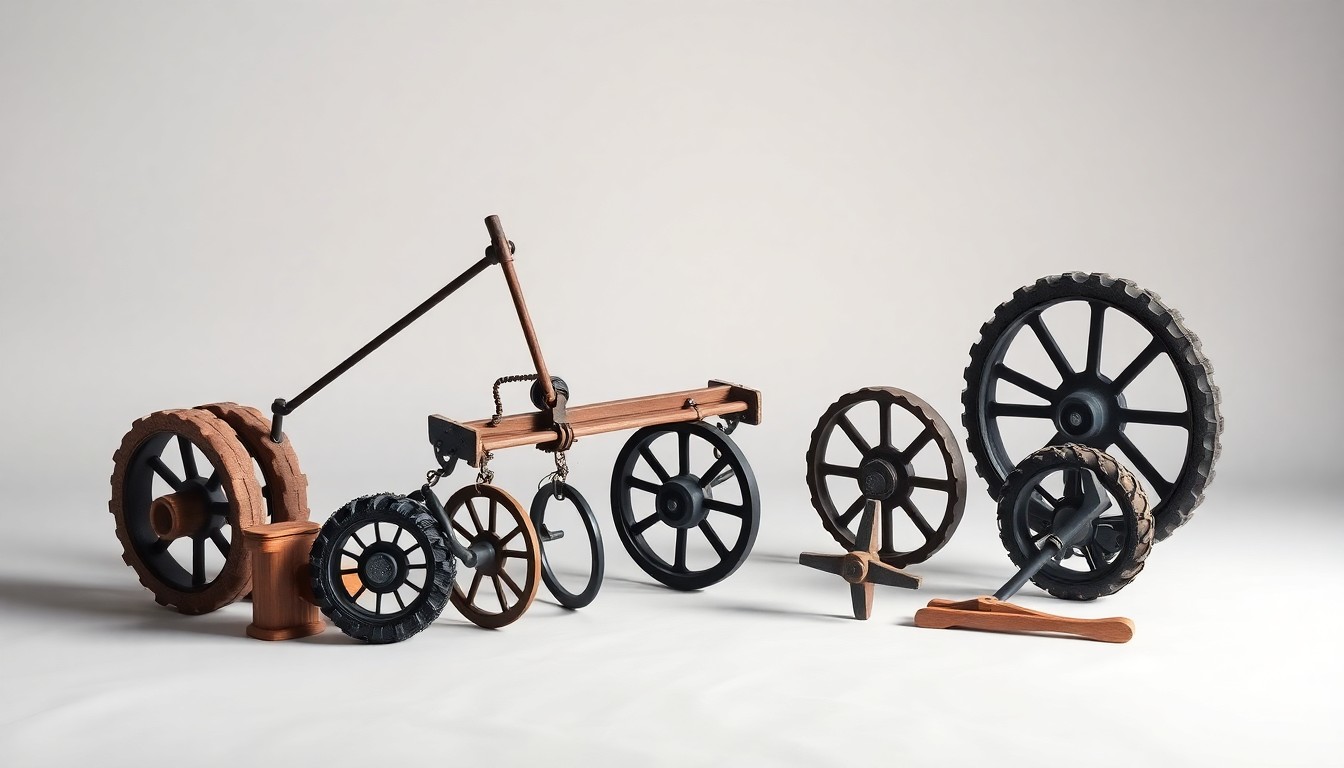 A veteran no-tiller's collection of specialized equipment reflects the innovative solutions needed to overcome diverse soil and terrain challenges.Lewiston Today
Dick Lloyd, a veteran no-tiller in Lewiston, Idaho, has grown his no-till operation from 150 to 1,500 acres since 1977. Along the way, he's encountered a range of tricky soil conditions, from tight, hard ground to practically ash soils, as well as rocky basalt-heavy terrain. Lloyd has developed innovative solutions to keep his no-till operation running smoothly despite these challenges.
Why it matters
As more farmers adopt no-till practices, understanding how experienced no-tillers like Lloyd overcome regional soil and terrain obstacles can provide valuable insights and inspiration for others looking to transition to no-till. Lloyd's story highlights the importance of adaptability and problem-solving in the face of diverse growing conditions.
The details
To handle the varying soil types on his 1,500 no-tilled acres, Lloyd uses gauge wheels and packer wheels with enough weight to effectively pack seed and fertilizer, rather than constantly adjusting the no-till drill. On his rocky, basalt-heavy ground, Lloyd found that a rolling, disc-type opener worked better than a shank-style opener, which would lift rocks out of the soil. He also had to abandon a Haybuster no-till drill with shanks after just one-third of a mile, as it was clearly unsuitable for his rocky terrain.
- Dick Lloyd has been no-tilling since 1977.
- Lloyd has gradually expanded his no-till operation from 150 to 1,500 acres over the past nearly 50 years.
The players
Dick Lloyd
A veteran no-tiller in Lewiston, Idaho who has grown his no-till operation from 150 to 1,500 acres since 1977.
What they’re saying
“There's nobody else that can do our job as no-tillers. We have to come up with our own solutions.”
— Dick Lloyd, No-tiller
The takeaway
Lloyd's story demonstrates the importance of adaptability and problem-solving for no-till farmers facing diverse regional soil and terrain challenges. His innovative solutions to handle varying soil types and rocky ground have allowed him to steadily grow his no-till operation over nearly 50 years, providing a model for other farmers looking to transition to no-till.