- Today
- Holidays
- Birthdays
- Reminders
- Cities
- Atlanta
- Austin
- Baltimore
- Berwyn
- Beverly Hills
- Birmingham
- Boston
- Brooklyn
- Buffalo
- Charlotte
- Chicago
- Cincinnati
- Cleveland
- Columbus
- Dallas
- Denver
- Detroit
- Fort Worth
- Houston
- Indianapolis
- Knoxville
- Las Vegas
- Los Angeles
- Louisville
- Madison
- Memphis
- Miami
- Milwaukee
- Minneapolis
- Nashville
- New Orleans
- New York
- Omaha
- Orlando
- Philadelphia
- Phoenix
- Pittsburgh
- Portland
- Raleigh
- Richmond
- Rutherford
- Sacramento
- Salt Lake City
- San Antonio
- San Diego
- San Francisco
- San Jose
- Seattle
- Tampa
- Tucson
- Washington
Washington Today
By the People, for the People
New Data Shows Continued Threat to Food Affordability Due to California Prop. 12
Pork producers advocate for federal action to stop one state from forcing its laws on agricultural producers across the country.
Apr. 16, 2026 at 5:20pm
Got story updates? Submit your updates here. ›
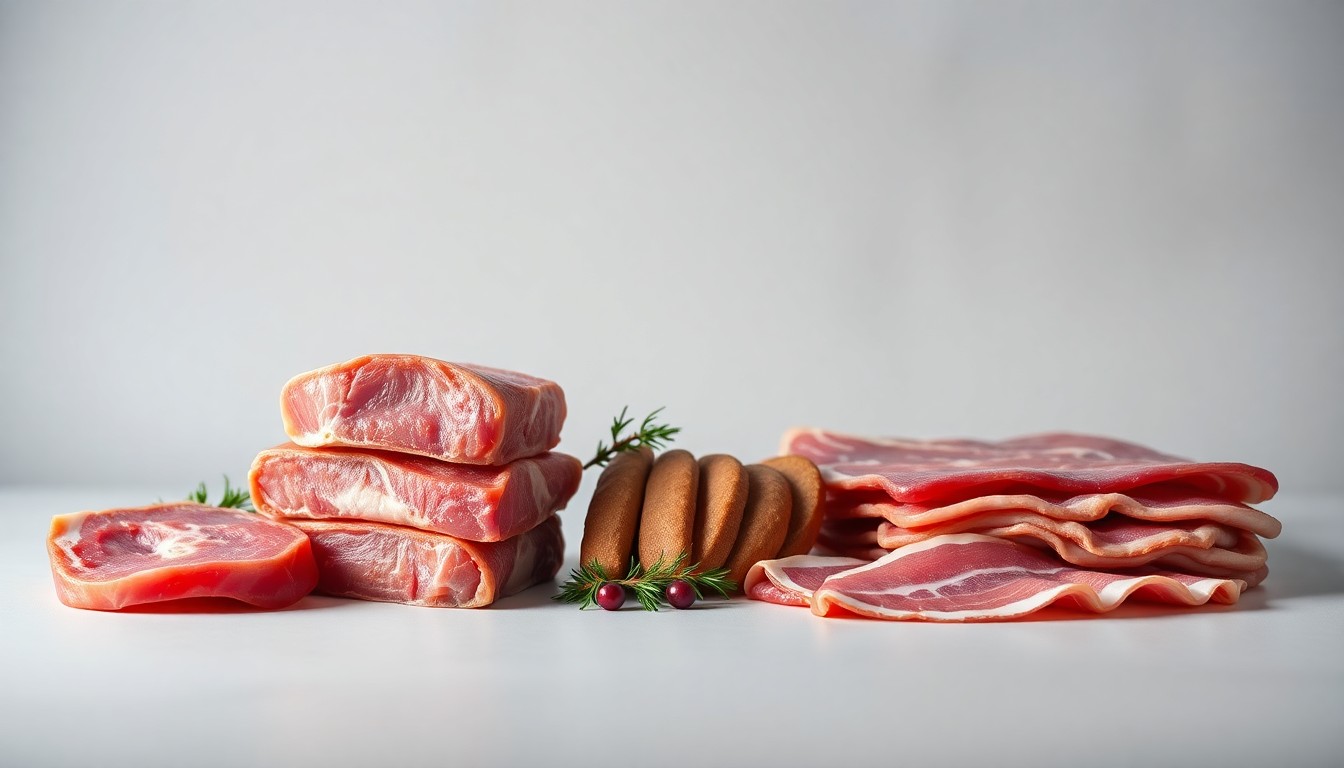 As California's Prop. 12 law continues to drive up pork prices nationwide, the economic ripples are felt by both producers and consumers.Washington Today
New data from the North Dakota State University Agricultural Risk Policy Center shows that California Proposition 12 has continued to drive up prices for pork products by an average of 20%, even two years after the law was fully implemented. California consumers have paid $350 million more for pork while consumption has declined. The National Pork Producers Council is calling on Congress to exercise its authority and fix Prop. 12, which is creating a patchwork of state animal housing laws that threaten the livelihoods of family farms across the country.
Why it matters
Prop. 12 is having a significant impact on food affordability and access, as well as the financial viability of pork producers across the United States. The law is creating a patchwork of state regulations that make it increasingly difficult for farmers to operate their businesses. Addressing this issue at the federal level could provide much-needed relief to producers and consumers.
The details
The new data from the North Dakota State University Agricultural Risk Policy Center found that on average, prices for pork products covered by Prop. 12 are 20% higher in California compared to the rest of the U.S. Specifically, the law has driven up prices for pork loins by 32%, ribs by 22%, shoulders by 16%, and bacon by 16%. As a result, California consumers have paid $350 million more for pork while their consumption has significantly declined. The National Pork Producers Council, representing over 60,000 farms, is advocating for federal action to stop one state from imposing its laws on agricultural producers across the country.
- Prop. 12 was fully implemented in California two years ago.
- The latest data on Prop. 12's impacts was recently released by the North Dakota State University Agricultural Risk Policy Center.
The players
North Dakota State University Agricultural Risk Policy Center
A research center that conducted the analysis on the impacts of California Proposition 12.
National Pork Producers Council (NPPC)
The global voice for the U.S. pork industry, representing over 60,000 pork producers.
Rob Brenneman
The NPPC President and a pork producer from Washington, Iowa.
What they’re saying
“We're all singing from the same songbook – real pork producers of all sizes. We need relief from a patchwork of state animal housing laws, which will surely be the nail in the coffin for a number of farms across the country.”
— Rob Brenneman, NPPC President and pork producer
“The mission is clear: We need Congress to exercise their authority and fix Prop. 12.”
— Rob Brenneman, NPPC President and pork producer
What’s next
The National Pork Producers Council and its coalition of millions of agricultural producers and members will continue advocating for Congress to address the issues created by Proposition 12 and stop one state from imposing its laws on producers across the country.
The takeaway
California's Proposition 12 is having a significant negative impact on food affordability and access, as well as the financial viability of pork producers nationwide. Addressing this issue at the federal level could provide much-needed relief to both consumers and producers who are struggling with the consequences of this state-level regulation.