- Today
- Holidays
- Birthdays
- Reminders
- Cities
- Atlanta
- Austin
- Baltimore
- Berwyn
- Beverly Hills
- Birmingham
- Boston
- Brooklyn
- Buffalo
- Charlotte
- Chicago
- Cincinnati
- Cleveland
- Columbus
- Dallas
- Denver
- Detroit
- Fort Worth
- Houston
- Indianapolis
- Knoxville
- Las Vegas
- Los Angeles
- Louisville
- Madison
- Memphis
- Miami
- Milwaukee
- Minneapolis
- Nashville
- New Orleans
- New York
- Omaha
- Orlando
- Philadelphia
- Phoenix
- Pittsburgh
- Portland
- Raleigh
- Richmond
- Rutherford
- Sacramento
- Salt Lake City
- San Antonio
- San Diego
- San Francisco
- San Jose
- Seattle
- Tampa
- Tucson
- Washington
Iowa Lawmakers Race to Finalize Property Tax Reform Before Session Deadline
As the legislative session nears its end, lawmakers face pressure to pass key measures, including property tax reform and the state budget.
Apr. 17, 2026 at 10:54pm
Got story updates? Submit your updates here. ›
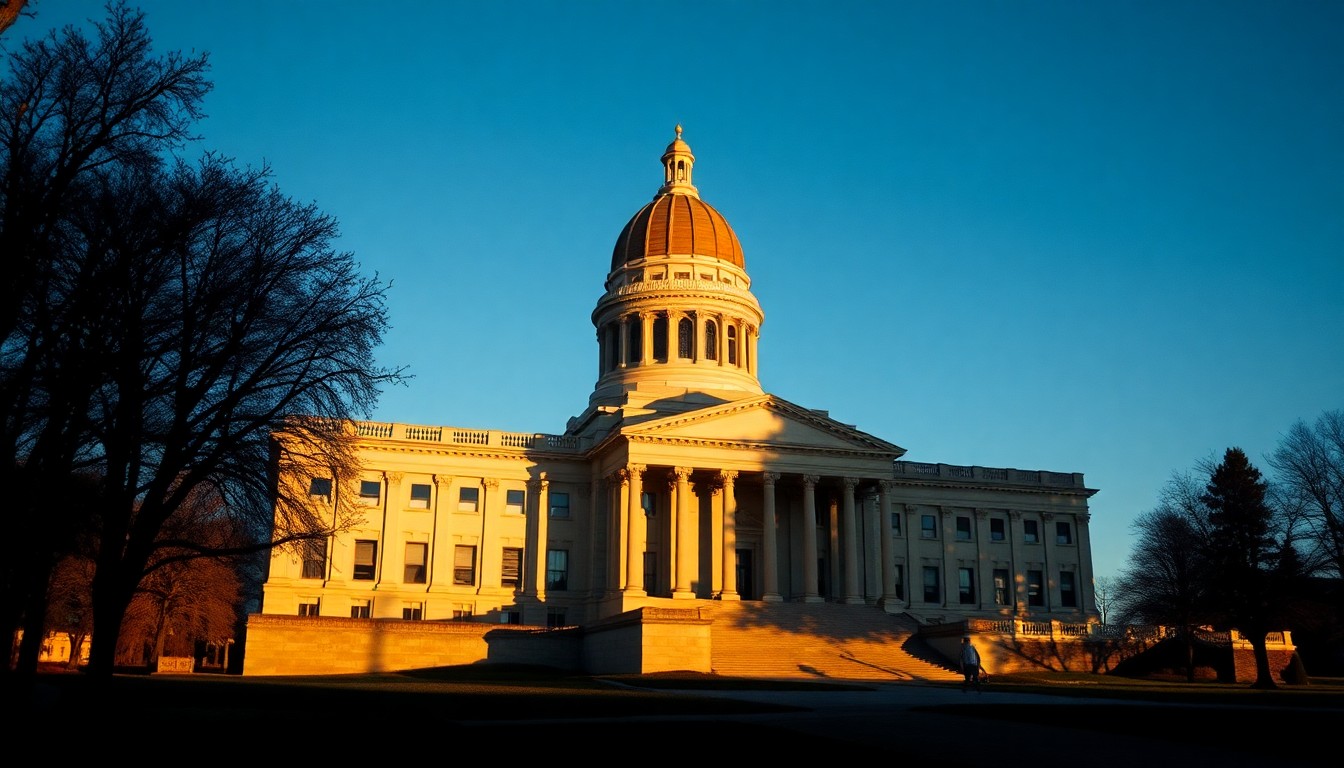 As Iowa lawmakers race to reform the state's property tax system and pass a budget before a legislative session deadline, the quiet, contemplative mood of the state capitol reflects the complex challenges they face.Des Moines Today
With the Iowa legislative session set to end on Tuesday, lawmakers are scrambling to finalize several key priorities, including property tax reform and the state budget. Republicans have made property tax reform a top issue this year, and the Senate and House have each unveiled their own proposals. Meanwhile, the governor, Senate, and House all have different budget proposals, which they will need to reconcile before passing the legally required state budget.
Why it matters
Property taxes have been a major concern in Iowa, with the state ranking among the highest in the country for property tax burden. Lawmakers are under pressure to deliver meaningful reform, but must also balance that with passing a state budget before the session deadline. The outcome of these negotiations could have significant implications for Iowa residents and the state's fiscal health.
The details
The Iowa legislative session is set to end on Tuesday, the 100th day of the session. After that, lawmakers can extend the session with a two-thirds vote or the governor can call a special session. While no one is talking about either yet, there are still several key tasks that must be completed, including passing a state budget. Property tax reform has also been a top priority for Republicans this year. The Senate passed its version on Wednesday, and on Thursday the House unveiled a new plan that incorporates elements from the Senate, House, and governor's proposals. The governor has said that property taxes have been on an 'accelerated trajectory' and are not sustainable, and that the state must do better in how it delivers services and cap revenue growth.
- The Iowa legislative session is set to end on Tuesday, April 17, 2026.
- The Senate passed its property tax reform plan on Wednesday, April 16, 2026.
- The House unveiled its new property tax reform plan on Thursday, April 17, 2026.
The players
Kim Reynolds
The governor of Iowa, who has called for property tax reform and said the state must do better in how it delivers services and cap revenue growth.
Pat Grassley
The Republican Speaker of the Iowa House of Representatives, who said the House's new property tax reform plan takes parts of all three Republican plans and gets closer to a compromise.
What they’re saying
“Change is hard and it's never permanent. You come back and see how it plays out, and you learn from that. It's not like you can't change it for the next 4 years. We have a history of property tax relief, making small adjustments and coming back and adjusting and adjusting and hopefully this is a little more substantive than that.”
— Kim Reynolds, Governor
“You come back and see how it plays out, and you learn from that. It's not like you can't change it for the next 4 years.”
— Kim Reynolds, Governor
What’s next
The House, Senate, and governor will need to agree on a final state budget number before the session deadline on Tuesday. The governor has said she believes lawmakers have enough time to finalize everything, but passing the budget will require compromise between the three parties.
The takeaway
The race to reform Iowa's property tax system and pass a state budget before the legislative session deadline highlights the complex challenges facing lawmakers. While property tax reform has been a top priority, they must also balance that with the legally required task of approving a state budget. The outcome of these negotiations could have significant impacts on Iowa residents and the state's fiscal health.
Des Moines top stories



Des Moines events

Apr. 17, 2026
Dreamgirls Revue Show
Apr. 17, 2026
Iowa Wild vs. Manitoba Moose
Apr. 17, 2026
Atreyu w/ Fire From the Gods