- Today
- Holidays
- Birthdays
- Reminders
- Cities
- Atlanta
- Austin
- Baltimore
- Berwyn
- Beverly Hills
- Birmingham
- Boston
- Brooklyn
- Buffalo
- Charlotte
- Chicago
- Cincinnati
- Cleveland
- Columbus
- Dallas
- Denver
- Detroit
- Fort Worth
- Houston
- Indianapolis
- Knoxville
- Las Vegas
- Los Angeles
- Louisville
- Madison
- Memphis
- Miami
- Milwaukee
- Minneapolis
- Nashville
- New Orleans
- New York
- Omaha
- Orlando
- Philadelphia
- Phoenix
- Pittsburgh
- Portland
- Raleigh
- Richmond
- Rutherford
- Sacramento
- Salt Lake City
- San Antonio
- San Diego
- San Francisco
- San Jose
- Seattle
- Tampa
- Tucson
- Washington
Wahiawa Today
By the People, for the People
State Acquires Aging Wahiawā Dam From Dole
The $4.9 million purchase is part of a larger deal to take over the irrigation system that runs from Wahiawā to the North Shore.
Apr. 15, 2026 at 11:11pm
Got story updates? Submit your updates here. ›
 The state's acquisition of the aging Wahiawā dam from Dole Food Co. represents a complex financial and engineering challenge to address public safety concerns and maintain a critical agricultural water supply.Wahiawa Today
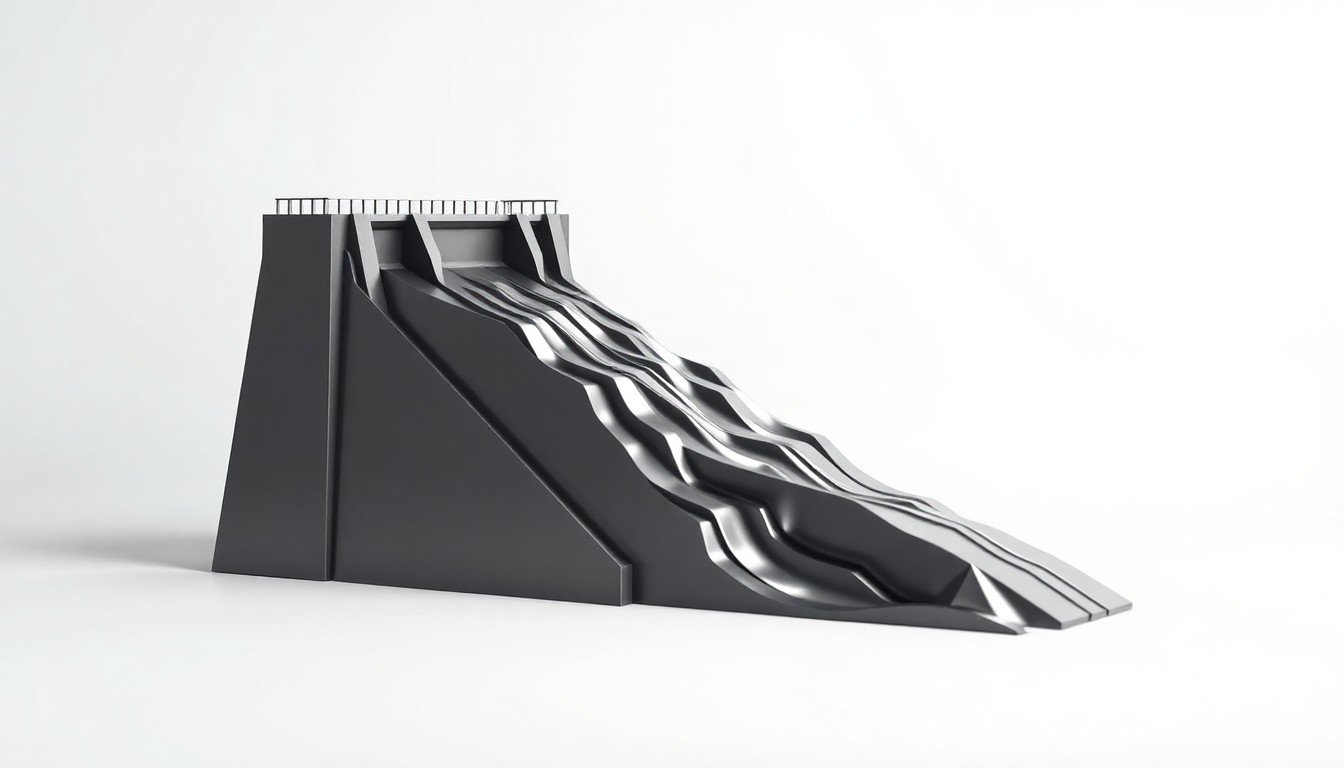
The state of Hawaii has taken a major step towards acquiring the 120-year-old Wahiawā dam and spillway from Dole Food Co. for $4.9 million. The purchase is part of a larger deal to take over the irrigation system that runs from Wahiawā to the North Shore. Once the acquisition is complete, the state will have to invest tens of millions of dollars to make the hazardous dam safe and restore the Wahiawā reservoir and miles of irrigation lines.
Why it matters
The Wahiawā dam has the second-lowest federal safety rating and the highest hazard rating, meaning that if it fails, thousands of downstream residents are at risk. The state is taking over the dam and irrigation system to ensure public safety and maintain a critical agricultural water supply, though the price tag for repairs and remediation has already tripled since initial estimates.
The details
Directors of the Hawaii Agribusiness Development Corp. unanimously voted to acquire the dam and surrounding land from Sustainable Hawaii LLC and Dole Food Co. The $4.9 million purchase is not the final step, as the corporation still has more negotiations to conduct with Dole to take over additional land near the spillway. The Department of Land and Natural Resources has already agreed to take over the Wahiawā Reservoir, also known as Lake Wilson.
- In 2023, the state entered negotiations with Dole after the company said it could not afford the necessary $60 million in repairs to the dam.
- Last month, record rains filled the Wahiawā Reservoir to three feet below its brim, triggering the evacuation of thousands of downstream residents on the North Shore.
- The state has a June 30 deadline to finalize the complex, multi-agency transaction for more than 140 acres of land.
The players
Hawaii Agribusiness Development Corp.
The state agency that unanimously voted to acquire the Wahiawā dam and surrounding land.
Dole Food Co.
The multinational corporation that previously owned the Wahiawā dam and irrigation system, but said it could not afford the necessary $60 million in repairs.
Sustainable Hawaii LLC
The company that owns the 142.5 acres of land on which the dam and spillway are located, which the state is purchasing for $4.9 million.
Department of Land and Natural Resources
The state agency that has agreed to take over the Wahiawā Reservoir, also known as Lake Wilson.
Gov. Josh Green
The Hawaii governor who has asked the state legislature to provide an additional $43 million in funding for the Wahiawā dam and irrigation system repairs and remediation.
What they’re saying
“Come July 1, this is going to be your responsibility, and the life and property.”
— Jayson Watts, Board Chair, Hawaii Agribusiness Development Corp.
“There's no big ticket, hidden repairs coming.”
— Trish Kehaulani Watson, Consultant, Dole Food Co.
“It's not just an expense. There's really potential for the system to be self-sustaining and to bring in revenue.”
— Trish Kehaulani Watson, Consultant, Dole Food Co.
What’s next
The Hawaii Agribusiness Development Corp. staff will likely return to the board in May to ask for final approval of the terms of the agreement with Dole and Sustainable Hawaii to acquire the Wahiawā dam and irrigation system.
The takeaway
The state's acquisition of the aging Wahiawā dam and irrigation system from Dole Food Co. represents a complex, multi-agency effort to address public safety concerns and maintain a critical agricultural water supply, though the total cost of repairs and remediation remains uncertain.