- Today
- Holidays
- Birthdays
- Reminders
- Cities
- Atlanta
- Austin
- Baltimore
- Berwyn
- Beverly Hills
- Birmingham
- Boston
- Brooklyn
- Buffalo
- Charlotte
- Chicago
- Cincinnati
- Cleveland
- Columbus
- Dallas
- Denver
- Detroit
- Fort Worth
- Houston
- Indianapolis
- Knoxville
- Las Vegas
- Los Angeles
- Louisville
- Madison
- Memphis
- Miami
- Milwaukee
- Minneapolis
- Nashville
- New Orleans
- New York
- Omaha
- Orlando
- Philadelphia
- Phoenix
- Pittsburgh
- Portland
- Raleigh
- Richmond
- Rutherford
- Sacramento
- Salt Lake City
- San Antonio
- San Diego
- San Francisco
- San Jose
- Seattle
- Tampa
- Tucson
- Washington
Mountain View Today
By the People, for the People
Lava Fountaining Marks Start of New Kilauea Eruption
Ashfall warning issued as volcanic activity increases on Hawaii's Big Island
Apr. 11, 2026 at 10:05am
Got story updates? Submit your updates here. ›
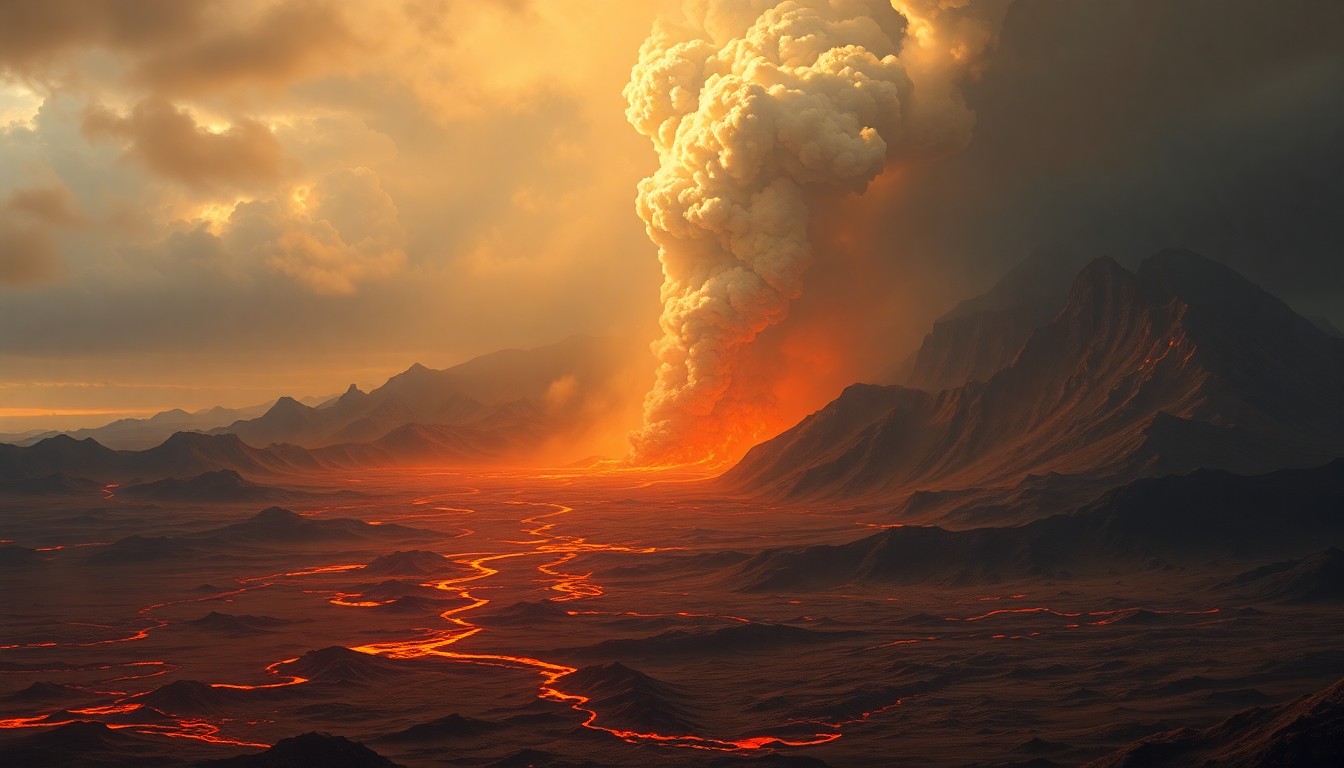 The awe-inspiring power of Kilauea's latest eruption overwhelms the landscape, underscoring the raw, elemental forces that shape Hawaii's volcanic islands.Mountain View Today
The U.S. Geological Survey's Hawaiian Volcano Observatory reported that a new eruptive episode, identified as Episode 44, began at around 11:10 a.m. on April 11, 2026 within Kilauea's summit caldera. The eruption is producing lava fountaining, ash, Pele's hair, and other lightweight volcanic debris that is being carried by winds to areas north and northeast of the summit, including the communities of Volcano and Mountain View.
Why it matters
Kilauea is one of the world's most active volcanoes, and its eruptions can pose significant risks to the local population and infrastructure. This latest episode of volcanic activity underscores the need for residents and visitors in the affected areas to remain vigilant and prepared to take necessary precautions.
The details
The National Weather Service has issued an ashfall warning through midnight for eastern, interior, and southeastern Hawaii island. Varying levels of ash, Pele's hair, and other lightweight volcanic debris may fall downwind of the eruption, with larger tephra up to football-sized potentially falling near the summit and up to several miles downwind. Officials are advising the public to avoid driving if possible, limit exposure to tephra, and wear face masks if going outside. Residents are also advised to cover and disconnect water catchment systems to protect water supplies, and to wear protective gear when clearing ash.
- The eruption began at around 11:10 a.m. on April 11, 2026.
- The ashfall warning is in effect until midnight on April 11, 2026.
The players
U.S. Geological Survey's Hawaiian Volcano Observatory
The scientific research organization that monitors and studies volcanic activity in Hawaii.
National Weather Service
The federal agency responsible for weather forecasting and issuing weather-related warnings and advisories.
Hawaii Volcanoes National Park
The national park that encompasses Kilauea and other active volcanoes on the Big Island of Hawaii.
What’s next
The U.S. Geological Survey's Hawaiian Volcano Observatory will continue to monitor the eruption and issue updates as needed. Authorities may implement additional road or park closures depending on the activity levels and conditions.
The takeaway
This latest eruption at Kilauea serves as a reminder of the ongoing volcanic risks faced by residents and visitors in Hawaii. Staying informed, prepared, and following official guidance is crucial for ensuring public safety during these events.