- Today
- Holidays
- Birthdays
- Reminders
- Cities
- Atlanta
- Austin
- Baltimore
- Berwyn
- Beverly Hills
- Birmingham
- Boston
- Brooklyn
- Buffalo
- Charlotte
- Chicago
- Cincinnati
- Cleveland
- Columbus
- Dallas
- Denver
- Detroit
- Fort Worth
- Houston
- Indianapolis
- Knoxville
- Las Vegas
- Los Angeles
- Louisville
- Madison
- Memphis
- Miami
- Milwaukee
- Minneapolis
- Nashville
- New Orleans
- New York
- Omaha
- Orlando
- Philadelphia
- Phoenix
- Pittsburgh
- Portland
- Raleigh
- Richmond
- Rutherford
- Sacramento
- Salt Lake City
- San Antonio
- San Diego
- San Francisco
- San Jose
- Seattle
- Tampa
- Tucson
- Washington
Honolulu Residents Debate Humane Solutions for Feral Chicken Problem
Letter writer argues wild chickens should be treated as food, not pets, as feral population continues to grow.
Apr. 15, 2026 at 10:05am
Got story updates? Submit your updates here. ›
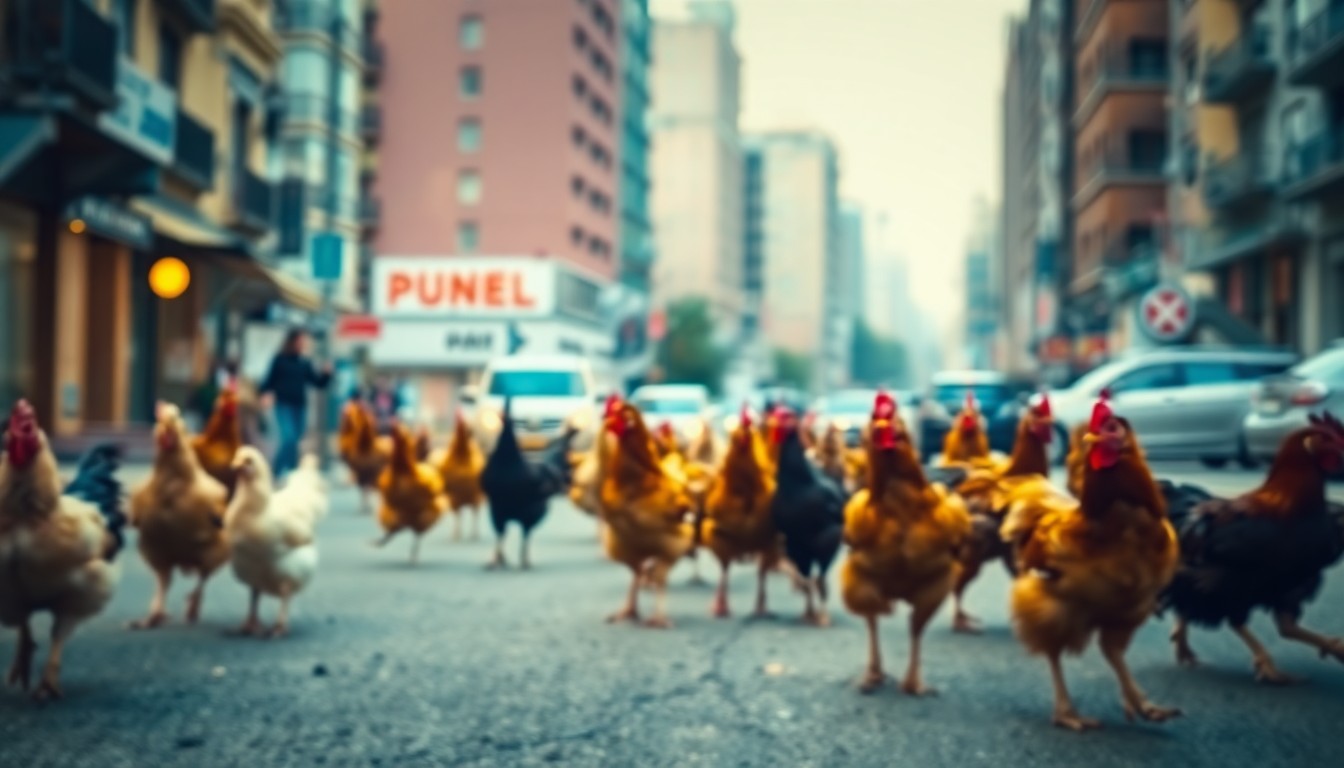 The growing presence of feral chickens in Honolulu neighborhoods has sparked a debate over how to balance humane treatment with managing the practical impacts of this invasive species.Honolulu Today
A recent letter to the Honolulu Star-Advertiser's Kokua Line column addressed the issue of feral chickens disrupting neighborhoods with their crowing. While the columnist provided suggestions for humane solutions, one reader argued that the chickens should be viewed as food rather than pets, and that the growing feral population has become a serious problem that local leaders need to address.
Why it matters
The debate over how to handle Honolulu's feral chicken population highlights the tensions between animal welfare concerns and the practical realities of an invasive species impacting urban neighborhoods. As the chicken population continues to grow, residents are seeking solutions that balance humane treatment with effectively managing the problem.
The details
The letter writer, Tom Mendes, argues that the feral chickens are the result of domestic birds escaping or being released by owners, and that they do not belong in Hawaii's fragile ecosystem. Mendes believes the chickens should be viewed as food rather than pets, noting that 24 million chickens are slaughtered for food every day. He dismisses the idea of creating a sanctuary for the feral chickens, and instead calls for local leaders to take action to address the growing problem.
- The recent letter to the Kokua Line column was published on April 12, 2026.
- Mendes' letter responding to the issue was published on April 15, 2026.
The players
Tom Mendes
A Waimanalo resident who wrote a letter to the Honolulu Star-Advertiser arguing that feral chickens should be viewed as food rather than pets, and that local leaders need to address the growing problem.
Christine Donnelly
The columnist who responded to the initial letter about the feral chicken issue in the Kokua Line column.
What they’re saying
“While I believe in treating animals humanely, this feral chicken issue has gone too far.”
— Tom Mendes, Waimanalo resident
“Wild chickens didn't just appear; they are the result of domestic birds escaping and the release of unwanted animals by their owners.”
— Tom Mendes, Waimanalo resident
“The Polynesians brought chickens here for food. I grew up raising chickens for food. We feed the country by slaughtering 24 million chickens every single day. This animal does not belong in our fragile Hawaiian ecosystem.”
— Tom Mendes, Waimanalo resident
What’s next
Local leaders in Honolulu will need to determine the best approach to addressing the growing feral chicken population, balancing concerns over animal welfare and the impact on the ecosystem.
The takeaway
The debate over feral chickens in Honolulu highlights the ongoing tensions between treating animals humanely and effectively managing an invasive species that is disrupting urban neighborhoods. As the chicken population continues to grow, residents and local officials will need to find a solution that addresses the practical realities while also considering the ethical implications.