- Today
- Holidays
- Birthdays
- Reminders
- Cities
- Atlanta
- Austin
- Baltimore
- Berwyn
- Beverly Hills
- Birmingham
- Boston
- Brooklyn
- Buffalo
- Charlotte
- Chicago
- Cincinnati
- Cleveland
- Columbus
- Dallas
- Denver
- Detroit
- Fort Worth
- Houston
- Indianapolis
- Knoxville
- Las Vegas
- Los Angeles
- Louisville
- Madison
- Memphis
- Miami
- Milwaukee
- Minneapolis
- Nashville
- New Orleans
- New York
- Omaha
- Orlando
- Philadelphia
- Phoenix
- Pittsburgh
- Portland
- Raleigh
- Richmond
- Rutherford
- Sacramento
- Salt Lake City
- San Antonio
- San Diego
- San Francisco
- San Jose
- Seattle
- Tampa
- Tucson
- Washington
Oakwood Today
By the People, for the People
Towns Fight ICE Warehouse Detention Sites Across the U.S.
Georgia and Midwest communities raise concerns over federal plans to convert warehouses into immigrant detention facilities.
Apr. 10, 2026 at 5:18pm
Got story updates? Submit your updates here. ›
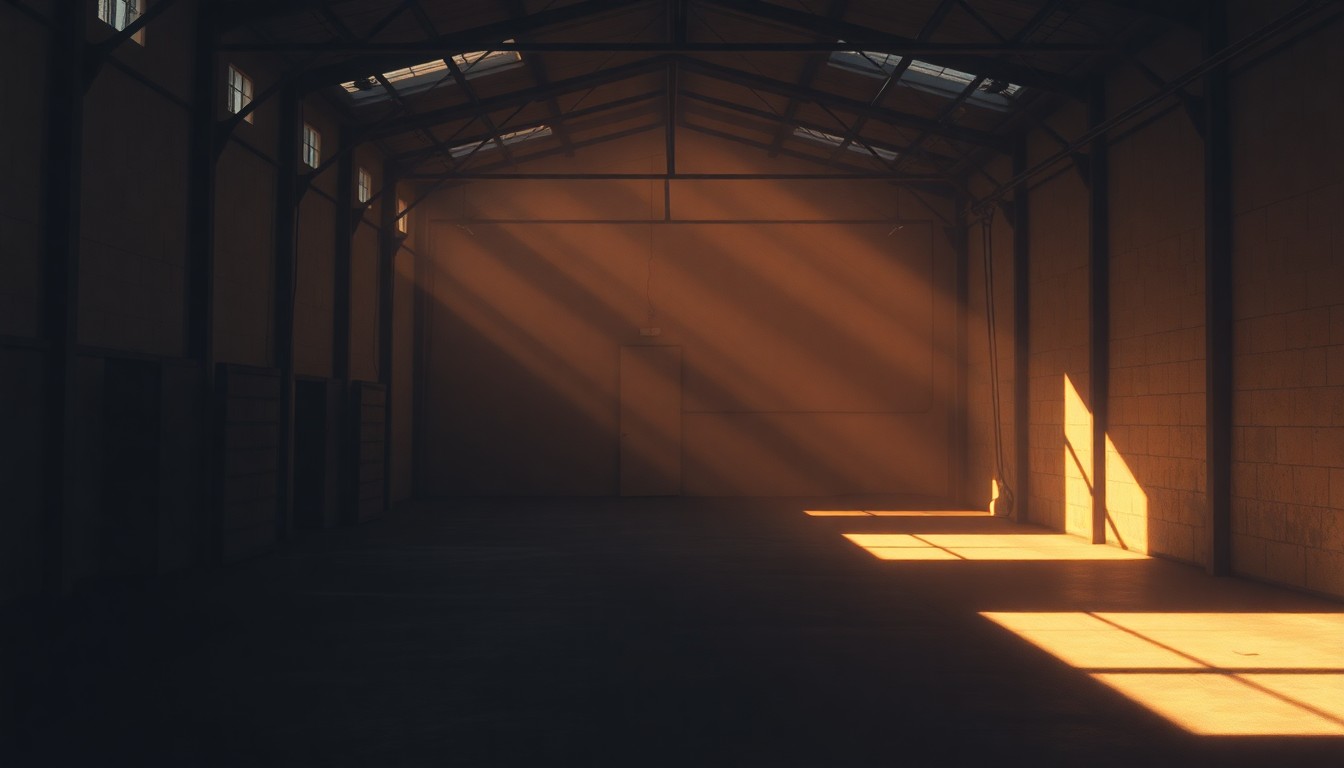 As communities nationwide voice concerns over the federal government's plan to convert warehouses into immigration detention facilities, the unsettling prospect of repurposing these spaces casts a somber shadow.Oakwood Today
A federal plan to turn warehouses into immigration detention facilities is facing mounting backlash across the country, with two sites in Georgia becoming key test cases. The Department of Homeland Security has paused the purchase of new warehouses for this purpose while it reviews contracts signed under the previous administration. Communities are raising concerns about the strain such facilities could put on local infrastructure and services, as well as a lack of transparency and coordination in the site selection process.
Why it matters
The fight over these warehouse detention sites highlights growing tensions over immigration enforcement policies and the impact they can have on local communities. It also raises questions about government transparency, oversight, and the ability of towns to have a say in facilities that could dramatically alter their populations and resources.
The details
The DHS plan centers on two locations in Georgia: Social Circle, where ICE bought a $128.6 million warehouse expected to hold 7,500 to 10,000 detainees, and Oakwood, where DHS purchased a 540,408-square-foot warehouse for $68.2 million. Local officials in both towns have raised concerns about the strain such facilities could put on water, sewer, and other infrastructure. In Social Circle, the city said it cut off water to the site while pressing DHS for answers. In Oakwood, officials said the deal was made without local consultation or impact analysis.
- In April 2026, Homeland Security Secretary Markwayne Mullin paused the purchase of new warehouses for detention facilities after taking office.
- Prior to Mullin's tenure, the Department of Homeland Security spent $1.074 billion to buy 11 warehouses for this purpose under the previous administration.
The players
Markwayne Mullin
The current Homeland Security Secretary who is reviewing the nationwide strategy for converting warehouses into immigration detention facilities.
Kristi Noem
The former Homeland Security Secretary under whose administration the $1.074 billion in warehouse purchases were made.
Raphael Warnock
A U.S. Senator from Georgia who has raised concerns about the DHS plan for a detention facility in Social Circle.
Jon Ossoff
A U.S. Senator from Georgia who has raised concerns about the DHS plan for a detention facility in Social Circle.
B.R. White
The City Manager of Oakwood, Georgia, who said the DHS purchase of a warehouse in his town happened without local consultation or impact analysis.
What they’re saying
“We support ICE's mission to detain people with criminal records, but we oppose the way the Oakwood site was selected, saying it happened without consultation, coordination or local impact analysis.”
— B.R. White, Oakwood City Manager
“DHS suggested trucking in drinking water and trucking out waste — an idea the senators called unworkable.”
— Raphael Warnock and Jon Ossoff, U.S. Senators from Georgia
What’s next
The Department of Homeland Security is currently reviewing the contracts signed under the previous administration for the warehouse detention facilities. This pause on new purchases will allow the agency to scrutinize the plans and address concerns raised by local communities.
The takeaway
The fight over these warehouse detention sites highlights the growing tensions over immigration enforcement policies and the impact they can have on local communities. It also raises important questions about government transparency, oversight, and the ability of towns to have a say in facilities that could dramatically alter their populations and resources.