- Today
- Holidays
- Birthdays
- Reminders
- Cities
- Atlanta
- Austin
- Baltimore
- Berwyn
- Beverly Hills
- Birmingham
- Boston
- Brooklyn
- Buffalo
- Charlotte
- Chicago
- Cincinnati
- Cleveland
- Columbus
- Dallas
- Denver
- Detroit
- Fort Worth
- Houston
- Indianapolis
- Knoxville
- Las Vegas
- Los Angeles
- Louisville
- Madison
- Memphis
- Miami
- Milwaukee
- Minneapolis
- Nashville
- New Orleans
- New York
- Omaha
- Orlando
- Philadelphia
- Phoenix
- Pittsburgh
- Portland
- Raleigh
- Richmond
- Rutherford
- Sacramento
- Salt Lake City
- San Antonio
- San Diego
- San Francisco
- San Jose
- Seattle
- Tampa
- Tucson
- Washington
Judge Allows Security-Related Work on White House Ballroom
Ruling clarifies that below-ground construction can proceed, but work on the ballroom itself remains blocked.
Apr. 17, 2026 at 4:35am
Got story updates? Submit your updates here. ›
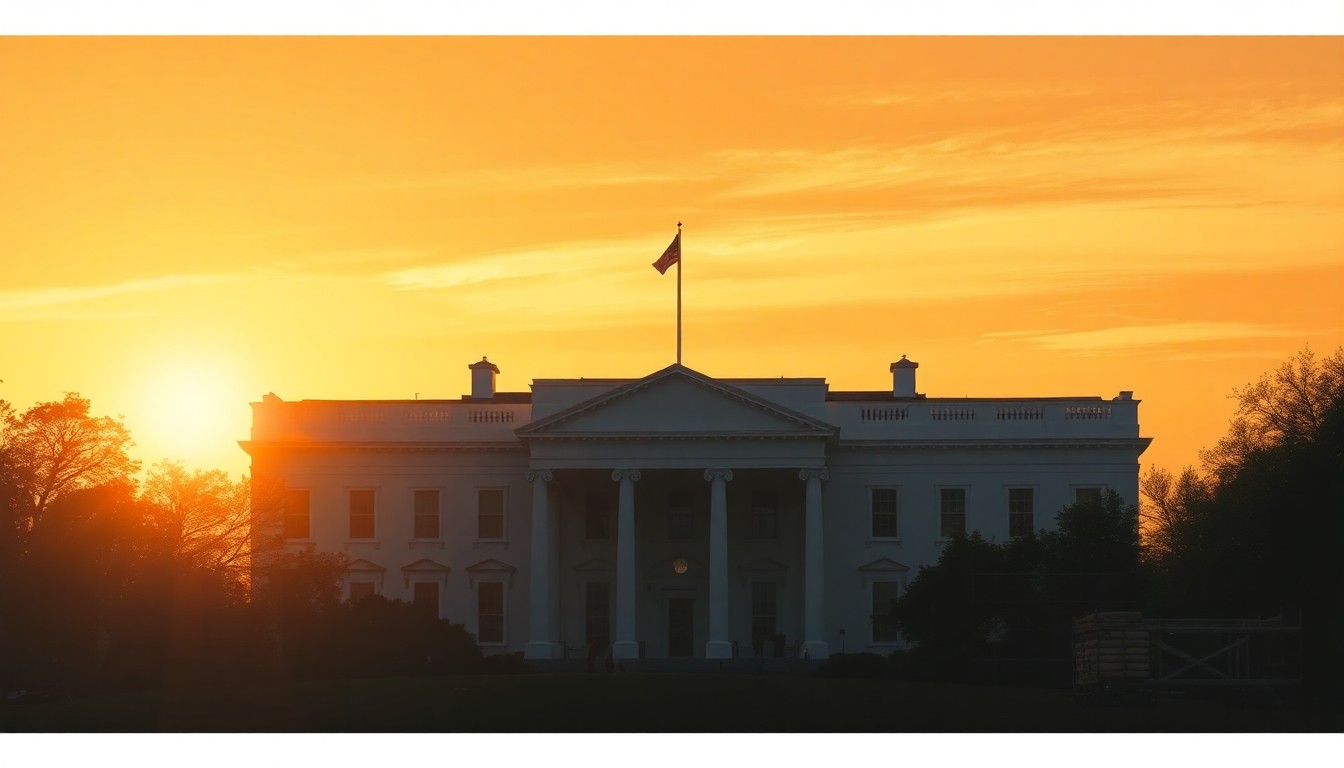 The White House, a historic landmark at the center of a legal battle over security-focused renovations, stands as a symbol of the ongoing tensions between executive power and preservation.West Palm Beach Today
A federal judge has clarified his previous ruling on the White House's planned ballroom construction, allowing security-related work to continue underground while still blocking construction on the ballroom itself. The judge warned the Trump administration that security concerns do not give them a 'blank check' to proceed with unlawful activity, and said the White House has not provided sufficient national security justification for immediate installation of certain features like bulletproof windows and missile-resistant columns.
Why it matters
The White House's plan to build a new 90,000-square-foot ballroom has faced legal challenges from the National Trust for Historic Preservation, which argues the project should go through the standard federal review process. This latest ruling aims to balance national security needs with the legal requirements around modifying a historic landmark like the White House.
The details
In his revised order, Judge Richard Leon said security-related work can proceed, particularly below ground, but construction on the ballroom itself still cannot go forward without authorization from Congress. The judge warned the Trump administration that it is 'incredible, if not disingenuous' to claim the ballroom itself is part of a security upgrade. Leon said his order will allow for 'below-ground construction of national security facilities, work necessary to provide for presidential security, and construction necessary to protect and secure the White House and the construction site itself.' However, the judge said the White House has not justified the immediate need for features like bulletproof windows and missile-resistant columns.
- On March 31, Judge Leon initially ruled that President Trump cannot build the planned ballroom without authorization from Congress.
- On April 6, a D.C. Circuit appeals court panel ruled 2-1 that Leon's initial ruling needed to be clarified.
- On April 13, Judge Leon issued his revised order clarifying that security-related work can proceed, but construction on the ballroom itself remains blocked.
- The judge's revised order included a 7-day stay to allow the White House to pursue further appeals, set to expire on April 20.
The players
Judge Richard Leon
The federal judge presiding over the White House ballroom case who issued the revised ruling.
Donald Trump
The U.S. President who announced plans to build a 90,000-square-foot ballroom at the White House.
National Trust for Historic Preservation
The organization that filed a lawsuit seeking to stop the ballroom construction until the project completes the standard federal review process.
What they’re saying
“It is, to say the least, incredible, if not disingenuous, that Defendants now argue that my Order does not stop ballroom construction because of the safety-and-security exception!”
— Judge Richard Leon, Presiding Judge
“This highly political Judge, and his illegal overreach, is out of control, and costing our Nation greatly.”
— Donald Trump
What’s next
The Trump administration has filed a notice of appeal to the D.C. Circuit court following the judge's revised order, and the judge's stay is set to expire on April 20, after which any above-ground construction not in compliance with the order may be at risk of being taken down.
The takeaway
This case highlights the ongoing tensions between the executive branch's national security priorities and the legal requirements around modifying historic landmarks like the White House. The judge's ruling aims to balance those concerns, allowing essential security work to proceed while still blocking the ballroom construction until the proper approvals are obtained.
West Palm Beach top stories



West Palm Beach events

Apr. 18, 2026
Peking Acrobats
Apr. 19, 2026
Palm Beach Symphony Presents Simon Trpceski